

عالمی بروکر ریگولیشن چیک کرنے والا ایپ
WikiFX
اردو
简体中文
繁體中文
English
Pусский
日本語
ภาษาไทย
Tiếng Việt
Bahasa Indonesia
Español
हिन्दी
Filippiiniläinen
Français
Deutsch
Português
Türkçe
한국어
العربية
اردو



How Proprietary Trading and Artificial Volume Move Prices

WikiFX
|


خلاصہ۔:Beginner traders often struggle to understand who actually moves market prices and why fake volume appears on their charts. This article breaks down how institutions use proprietary trading, basket trades, and statistical tools, alongside the dangers of illegal matched orders. Understanding these background mechanics helps you avoid manipulation traps and focus on trading in well-regulated environments.
You place a trade, and the market suddenly shifts in the opposite direction. Beginners often wonder who is moving the prices and whether the volume on their screen is real. Understanding how major market participants operate helps you read the screen with less confusion.
 فہرست
فہرستHow Institutions Trade Their Own Capital
When beginners trade, they deposit their own money into a retail broker account. Institutions, however, engage in proprietary trading. This means banks, hedge funds, and specialized firms use their own capital to trade the markets.
Proprietary trading desks do not rely on retail strategies. They pursue profits and manage risk using highly specialized teams. Their daily operations might include statistical arbitrage—finding tiny price differences between markets—or event-driven trading based on economic news. Because proprietary traders control massive amounts of capital and operate across forex, commodities, and derivatives, their decisions physically move the markets you trade every day.
Managing Risk Through Basket Trades and Barbell Strategies
A common mistake beginners make is overly focusing on a single currency pair. Professional traders often use basket trades instead. A basket trade involves buying or selling a group of related financial assets simultaneously. By executing a single combined order, institutions reduce their transaction costs and spread out their risk. They use these baskets to hedge against broader market drops or to execute trades across multiple international assets at once.
To manage the capital within these asset portfolios, some managers apply a barbell strategy. This approach divides investments into two opposite extremes: placing a large portion of funds in highly secure, low-risk assets and a smaller portion in high-risk, high-reward assets. The strategy ignores medium-risk investments entirely, aiming to protect the core capital while still having a chance at significant gains if market sentiment turns positive.
The Trap of Fake Volume and Matched Orders
Not all market activity is organic. Beginners sometimes jump into a trade because they see a sudden spike in volume, thinking a major breakout is happening. Sometimes, this volume is an illusion.
A specific type of illegal market manipulation is known as matched orders. This occurs when two or more participants secretly arrange to buy and sell an asset at a predetermined price and quantity. This coordinated action creates false trading volume and artificial price movements. The sole purpose of a matched order is to mislead everyday investors into making bad trading decisions. Financial regulators strictly monitor and punish this behavior because it destroys market fairness and elevates the risk for everyone else.
How Professionals Measure Real Market Moves
To avoid getting trapped by fake volume or emotional decisions, quantitative traders rely on raw data rather than instinct. One common measurement is the Z-score. The Z-score is a statistical formula that tells a trader exactly how far a current price is from its historical average, measured in standard deviations. If a market movement has a high Z-score, traders know it is an extreme, atypical event rather than a normal daily fluctuation.
Professionals also use flexible instruments like double options when the market direction is unclear. A double option allows the holder to profit whether the market goes up or down, provided the price moves far enough. While it carries higher transaction costs and operational complexity, it serves as a powerful hedge against extreme volatility.
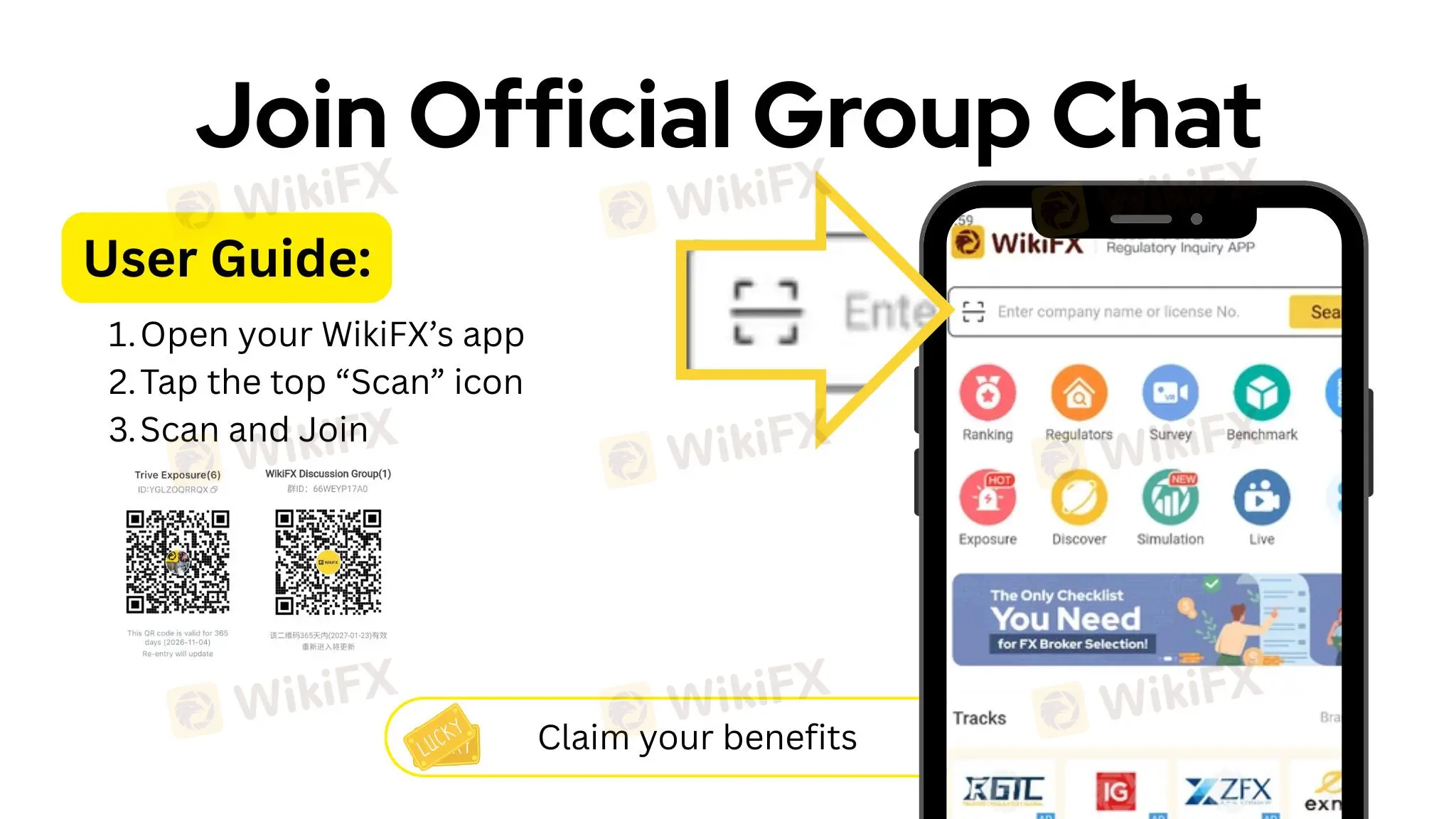
Trading becomes less stressful when you look past the basic chart and understand the mechanics of professional trading and market manipulation. Always operate in a regulated environment where strict oversight prevents practices like matched orders. Before opening an account, you can use the WikiFX app to verify your broker's regulatory status and ensure you are trading on a fair platform.

ڈس کلیمر:
یہ مضمون صرف مصنف کی ذاتی رائے پر مبنی ہے، یہ پلیٹ فارم کی سرمایہ کاری کی مشورہ نہیں ہے۔ پلیٹ فارم مضمون کی معلومات کی درستگی، مکملیت اور بروقت ہونے کی کوئی ضمانت نہیں دیتا، اور مضمون کی معلومات پر اعتماد یا استعمال سے ہونے والے کسی بھی نقصان کی ذمہ داری قبول نہیں کرتا۔
