


IG Review for India 2026: RBI Alert List, Regulation, Login, and Forex Risk
IG review for India in 2026: see the RBI Alert List entry, overseas regulation, login checks, forex limits, and a clear broker safety checklist.
Original

简体中文
繁體中文
English
Pусский
日本語
ภาษาไทย
Tiếng Việt
Bahasa Indonesia
Español
हिन्दी
Filippiiniläinen
Français
Deutsch
Português
Türkçe
한국어
العربية
اردو




Abstract:The forex market is easy to enter but hard to master, or exit with a profit. This paradox explains why so many participants eventually get burned, wash out, and look for safer hobbies.
In many cases, these folks just made dumb mistakes that could easily have been avoided, given the proper guidance and discipline.
KEY POINTS
Common mistakes force the majority of forex traders to ‘wash out’ and leave the markets.
Poor trend recognition is a major reason why traders fail.
Leverage is deadly to new traders, encouraging unskilled participants to risk too much capital.
The chosen market interface (platform) has to meet the traders specific needs.
Stop losses keep traders ‘in the game’ long enough to develop important skills.
Here are the most common mistakes made by new forex traders.
1. Choosing the Wrong Platform
A robust platform is essential if you want to trade the forex market. The ‘right’ platform will provide solid educational resources, access to news, a dependable real-time feed, an easy-to-read trading interface, and a variety of trading signals. The software should also include access to major currency and cross-currency pairs, as well as minor and exotic pairs you find of interest.
2. Risking Too Much
Newcomers let the fear of missing out (FOMO) take control, encouraging excessive risk. This is a classic mind-cramp that starts when new traders see missed opportunities and wonder how much they would have gained while forgetting much they could have lost. Say you lose 50% of your capital on a single trade. You now need to double your money on the next trade, just to break even. That isn‘t sustainable, especially if you’re just getting started in the forex market.
Only trade what you can afford to lose. A good rule of thumb: risk no more than 2% of capital on a single position, or a combination of correlated positions (pairs that move together). The percentage might seem small but its an effective methodology to stay in the game long enough to develop profitable skills.
Another advantage: you‘ll stay calm and not lose your cool the next time you’re stuck in a losing trade. It will also discourage closing out good trades too early out of panic because youre now willing to lose up to the percentage limit.
3. Ignoring Longer Time Frames
The longer the trend higher or lower, the stronger and more durable it will be. Many traders walk into the forex market with a day trading mentality, getting sucked repeatedly into 1-minute to 15-minute chart signals. However, trends on hourly, daily, and weekly time frames exert much greater control, causing the majority of contrary short-term signals to fail. For example, a dip on a 15-minute chart means nothing without a review of higher time frames.
4. Trading with Poor Risk-to-Reward Ratio
The act of trading releases adrenaline and focuses attention, generating addictive sensations that aren‘t impacted by profits or losses. This bad chemistry induces the new trader to take positions with poor profit potential and excessive risk, just for the thrill of ’being in the market. Rigid discipline and unbiased reward-to-risk analysis is needed before taking a trade to overcome this common flaw. In most cases, stick to opportunities that generate profits of at least three times expected losses if trades turn against you.

5. Not Using a Stop Loss
Placing a stop loss at the right price marks the difference between prosperity, survival, and losing everything. The forex market becomes enormously volatile at times, carving near-violent price swings with little or no warning. Add in excessive leverage and the new trader faces a potentially catastrophic loss in just a few minutes. Even walking downstairs and making a sandwich can trigger career-ending losses so its vital to place a stop after entering a new position.

6. Trading Difficult and Unclear Patterns
Take only the most promising profit opportunities and walk away from everything else. Do your homework no matter how long it takes, looking for nearly-perfect technical patterns or fundamental set-ups. Beware of form-fitting when doing your research. An untrained eye can easily block out aspects of a chart that dont fit the pre-established bullish or bearish bias. When in doubt, rely on cross-verification that looks for confirmation through three, four or even five different types of indicators or analytical methods before taking the trade.

7. Losing Control of Your Emotions
A profitable trading career requires the same level of mental discipline as building a successful marriage or raising children. If you lose control of your emotions in other aspects of your life, expect the same thing to happen when a trade goes against you. Tobacco, alcohol, THC, and gluttony all contribute to a trader‘s emotional state so it’s a good idea to start the journey by developing good health habits, getting a good nights sleep, and doing a little meditation.

Summary
New traders come into the forex game hoping to ‘score big’ and take home a quick fortune. Then reality bites, generating unexpected losses that lower confidence and generate waves of bad decision-making. Survivors eventually learn that profitable trading is a lifetime pursuit, in which the practitioner controls his or her emotions and lets numbers and signals decide buy and sell decisions, rather than greed or fear.

Disclaimer:
The views in this article only represent the author's personal views, and do not constitute investment advice on this platform. This platform does not guarantee the accuracy, completeness and timeliness of the information in the article, and will not be liable for any loss caused by the use of or reliance on the information in the article.
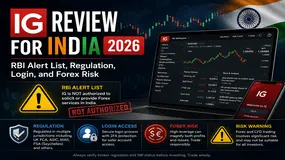
IG review for India in 2026: see the RBI Alert List entry, overseas regulation, login checks, forex limits, and a clear broker safety checklist.

Orbex, a Cyprus-based brokerage entity, has recorded 30 exposure complaints on WikiFX, a leading forex broker regulation inquiry tool, so far. Other review websites have also recorded a healthy number of complaints against the brokerage firm. These complaints largely talk about the alleged profit confiscations by the broker in the name of trading violations, difficulty in accessing fund withdrawals, capital losses due to artificial slippage, etc. In this Orbex review, we have investigated user complaints and provided a regulatory overview of the broker.
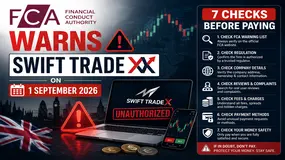
FCA warns Swift TradeX in a notice first published and updated on 1 September 2026. The UK Financial Conduct Authority says the firm may be providing or promoting financial services without permission, is not authorised, and may be targeting people in the UK. The notice names the website swifttradexai.com, a Worcester address and a UK telephone number, but also cautions that unauthorised businesses may use incorrect or borrowed contact details. The confirmed issue is authorisation status—not a court finding about every transaction. Anyone considering a payment should stop, verify the firm independently, and avoid using contact information supplied by the platform itself.
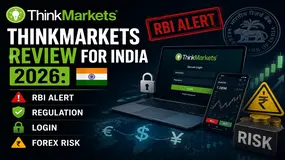
ThinkMarkets review for India: check the RBI Alert List, overseas entities, regulation, login security, forex rules, costs, withdrawals, and leverage risk.
WikiFXWikiFXWikiFXWikiFXWikiFXWikiFXWikiFXWikiFXWikiFXWikiFX