Abstract:Scams come in different forms, and there will always be bad actors that will want to steal cryptocurrencies or NFTs, so learn how to protect yourself.
If you have been following the cryptocurrency industry closely throughout the past few years, it is clear that not everything is what it seems.
Social media platforms and phishing websites have been utilized to exploit users out of their cryptocurrencies.
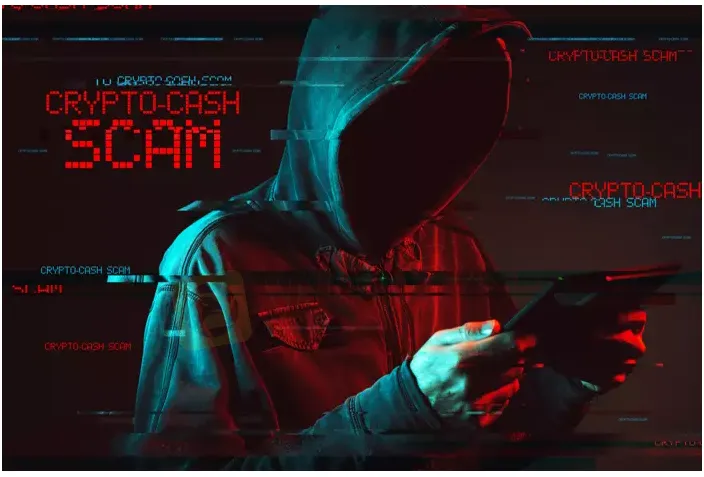
This also includes non-fungible tokens (NFTs) or anything else of the value connected to their cryptocurrency wallets.
From hacks to rug pulls or any other types of cybercrime initiated by bad actors, there are seemingly new headlines daily that make their way throughout the crypto space.
Those extra careful might not fall for any of these scams, even the most complex ones. However, not everyone is tech-trained and can spot the differences between authentic and phishing websites.
Furthermore, the hacks of actual Twitter and Discord pages of legitimate projects can provide an additional barrier for those who just want to make the most out of their crypto holdings.
All of this makes trading and investing in cryptocurrencies a lot more difficult.
Suppose you are new to the crypto sphere or have been lucky enough to avoid getting scammed thus far. In that case, it is now more important than ever to educate yourself and become able to identify all of the possible scams, so you can have the highest probability of avoiding them and not becoming a victim to them.
Understanding Cryptocurrency Scams Through Real examples
The Federal Bureau of Investigation (FBI) has recently warned cryptocurrency users about numerous investment scammers on the LinkedIn platform, which significantly threaten user safety.
Sean Ragan had an interview with CNBC, saying that he believes LinkedIn has a problem regarding investment scams.
Regan had the following statement: “They are always thinking about different ways to victimize people, victimize companies, and they spend their time doing their homework, defining their goals and their strategies, and their tools and tactics that they use.”
However, LinkedIn isnt the only social media platform with a reputation for cryptocurrency scams.
The Federal Trade Commission reported that U.S. cryptocurrency traders lost $575 million due to investment frauds from January 2021 to March 2022.
The popular NFT collection Bored Ape Yacht Club (BAYC)s Instagram page got compromised on April 25.
At this point, we saw the theft of over $2.5 million worth of NFTs. Then, the creators of the NFT set, Yuga Labs, had their Discord server compromised, where through phishing links, the hackers stole 200 ETH ($360,000 at the time) worth of non-fungible tokens (NFTs).
These are just some notable examples. However, there are many more, so protecting yourself from these scams is a must.
The Top 5 Tips on How to Spot and Protect Yourself From Cryptocurrency Scams in 2022
With all of that in mind, these are the top 5 tips you need to be aware of and utilize within your daily crypto activities.
Avoid Phishing websites
For this example, we will be using MetaMask. Lets, for example, say that you want to visit the official MetaMask website so you can download the wallet extension and log into it.
Well, the default URL address for MetaMask is “metamask.io.”. But if you are not careful, you could find alternative website URLs that show up as an Advertisement (Ad) on the top Google search result, such as meetamask.io, maskmehaa.io, maskingmeta.io, and so on.
Some can be extremely close to the real deal, so ensure that you always check that you are on the authentic wallet website before downloading and installing any extension or logging in with your credentials.
Never Give Out Your Private Keys
If you use a wallet where you control the private keys, remember that no legitimate wallet supplier will ever ask you for your 12-word seed phrase.
This should always be kept for your eyes only and nobody else.
With your public key, nobody can compromise your wallet, but the second someone gains access to the password you have or the 12-word seed phrase, your cryptocurrencies are gone forever.
Double-Check The Authenticity of Messages
There have been numerous scams online where the “support team” for a specific project or the “promotional team” for a specific NFT collection will message you.
Here, they would tell you that your wallet “has been compromised” and that you must send them information to recover it.
Avoid these types of scams at all costs. Specifically, even if its an influencer you trust, always double-check who messaged you, when the account was created, when the URL was registered, and if there is a genuine company behind the messages.
These will also typically be investment scams, promising huge returns on your initial investment in a project that might eventually be a rug pull.
Again, never, under any circumstances, share your private keys, but avoid communication with fake or scammer profiles altogether. Through social engineering, they will find a way to scam you if they are resilient, so be wary.
Never Access Your Web-Based Wallet on Unsecure Websites
You might enter a website that will require you to connect your cryptocurrency wallet to access it. This can be a play-to-earn (P2E) game most commonly or a non-fungible token (NFT) collection.
No matter what the project is, if the URL seems shady, if there is no SSL certification, and if the website as a whole looks even slightly off to you, do not connect your wallet, as even something as simple as logging in while that websites tab is open could lead to the compromise of your wallet.
Do Not Easily Accept Free Non-Fungible Tokens (NFTs)
The rug pull scam is by far one of the most common types of scams within the NFT space, where developers pump effort into promoting a project, and as soon as they sell the NFTs, they abandon it, leading to the project losing all value.
A form of marketing that these companies use is where they give NFT drops in the form of a giveaway to users that share the project online, invite new people to the project and genuinely convince them to invest in the collection.
Always research and ensure that the project is legitimate before accepting any free NFT. The chances are high that it might be a scam, as in some blockchain networks, minting NFTs can be costly, especially when creators are minting thousands of NFTs.