Abstract:Companies in Zimbabwe have until the end of the year to register foreign currency sales or face rigorous audits and large fines, as the economy moves toward dollarization, which is still outpaced by foreign currency tax revenues.
On official and alternative currency markets, the local unit of exchange, the Zim dollar, has continued to suffer, prompting dealers to urge for hard currency sales.
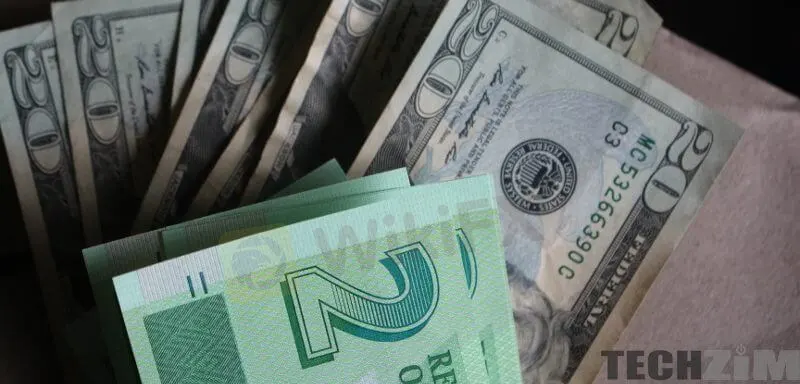
President Emmerson Mnangagwa's administration, which is cash-strapped due to a lack of foreign investment, mineral smuggling, and its status as a net importer, is hoping for an increase in foreign currency income from the new operation, which targets enterprises that do not declare FX sales.
According to the Zimbabwe Revenue Authority, 'traders who are misrepresenting their financial records' by failing to register foreign currency transactions or converting such sales into Zimbabwean dollars for taxes reasons.
Furthermore, some businesses that engage in foreign currencies 'convert such transactions to Zimbabwean dollars for tax purposes.' As a result, the authorities has given these enterprises until December 31 to register all foreign currency sales.
'Zimra is inviting all merchants to come forward and make voluntary disclosures of all under-declared or non-payment of tax by December 31, 2021 to prevent rigorous audits, prosecutions, and fines that will be launched shortly after the deadline,' the authority stated in a notification.
The deadline set by Zimra for Zimbabwean enterprises to record foreign currency transactions comes amid a drop in export profits and strong demand for FX throughout the economy.
Zimbabwe's overall exports fell 5% to $597.2 million in August, according to Zimstats, with imports at $667.5 million for the same period.
The Zimbabwean central bank has also been struggling to accommodate industry's foreign currency requests for retooling, raw material imports, and the revival of the industrial sector.
The payment of foreign currency bonuses to public officials will put further strain on the government's foreign currency resource base.
On Monday, government workers' labor organizations stated the bonuses would be available in foreign currency from banks. Previously, bonuses were liquidated into local currency using the official exchange rate.
The incentive would be available in USD, according to the Zimbabwe Confederation of Public Sector Trade Unions.
The Zimbabwe dollar's '... weakness is anticipated to endure,' according to Old Mutual Zimbabwe analysts, for the rest of the current quarter.