Abstract:Discover insights from a ConsenSys survey revealing that over 51% of Filipinos support robust cryptocurrency regulation to protect markets and investors.
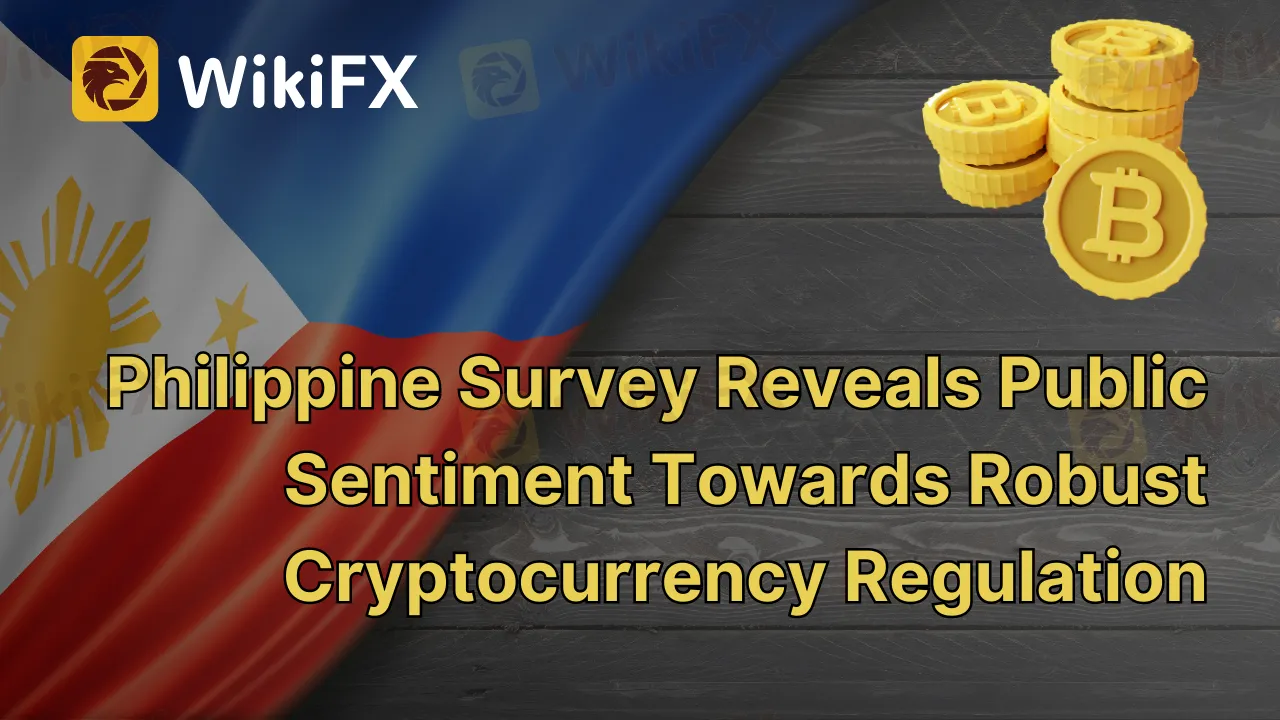
A recent survey by Ethereum firm ConsenSys has highlighted that over half (51%) of Filipinos strongly believe in the necessity of robust regulation for cryptocurrencies. This sentiment comes from the perceived need to safeguard traditional financial markets and ensure investor protection.
 Contents
Public Opinion on Crypto and Regulation
The survey, conducted by the international data and analytics group, YouGov, reached out to Filipinos between the ages of 18 and 65 years to gather their opinions on cryptocurrency regulation. Of the majority advocating for regulation, 34% emphasized the importance of regulators establishing rules to promote responsible engagement in cryptocurrencies while ensuring investor protection.
A smaller group of respondents, 5%, expressed a contrary view, asserting that regulators should refrain from controlling cryptocurrency, thus allowing the industry to self-regulate. An additional 11% were uncertain, expressing a “don't know” stance toward the issue.
Additional Opinions on Cryptocurrency
According to research by WikiFX, 47% of the respondents viewed cryptocurrencies as the future of money. Further, 38% considered cryptocurrencies a promising alternative to traditional financial systems. The survey also reflected a growing recognition of the concept of digital ownership, with 35% of respondents acknowledging its importance.
Interestingly, more than half of the respondents (52%) perceived cryptocurrencies as environmentally friendly technology. Other opinions varied: 9% considered crypto as not environmentally friendly and believed it never would be; 17% felt that while crypto currently isn't environmentally friendly, it is improving; the remaining 22% were uncertain.
Cryptocurrency Regulation in the Philippines
In the absence of specific cryptocurrency legislation in the Philippines, existing rules and regulations are used to monitor and oversee the crypto landscape. These include the Virtual Asset Service Providers (VASP) license issued by the Bangko Sentral ng Pilipinas, which allows firms to legally handle exchanges of virtual assets and fiat cash. Furthermore, the Securities and Exchange Commission (SEC) gives jurisdiction to monitor and regulate exchanges, clearing agencies, and self-regulatory organizations under the Securities and Regulation Code (SRC).
Last year, both the central bank and the SEC urged legislators to write laws addressing digital assets such as cryptocurrencies and non-fungible tokens (NFTs). In March, SEC Commissioner Kelvin Lester Lee revealed that a regulatory framework for crypto was being drafted, although this was postponed due to the FTX collapse. To date, there has been no update on the progress of these regulations.
In May, Financial Stability Board (FSB) Chairman Klaas Knot revealed intentions to create a worldwide regulatory framework for cryptocurrency assets. The aim is to provide guidance to relevant entities by leveraging standard-setting bodies in banking, insurance, and securities regulations.
To stay updated on the latest news, download and install the WikiFX App on your smartphone. Download the App.
Download link: https://www.wikifx.com/en/download.html