


India Q1 FY27 GDP Growth Hits 7.8%: 3 Scenarios for INR and Gold
India's Q1 FY27 GDP grew 7.8%, beating a 7.4% poll and RBI's 7.0% projection. See three conditional scenarios for INR, rates and gold.
Original

简体中文
繁體中文
English
Pусский
日本語
ภาษาไทย
Tiếng Việt
Bahasa Indonesia
Español
हिन्दी
Filippiiniläinen
Français
Deutsch
Português
Türkçe
한국어
العربية
اردو




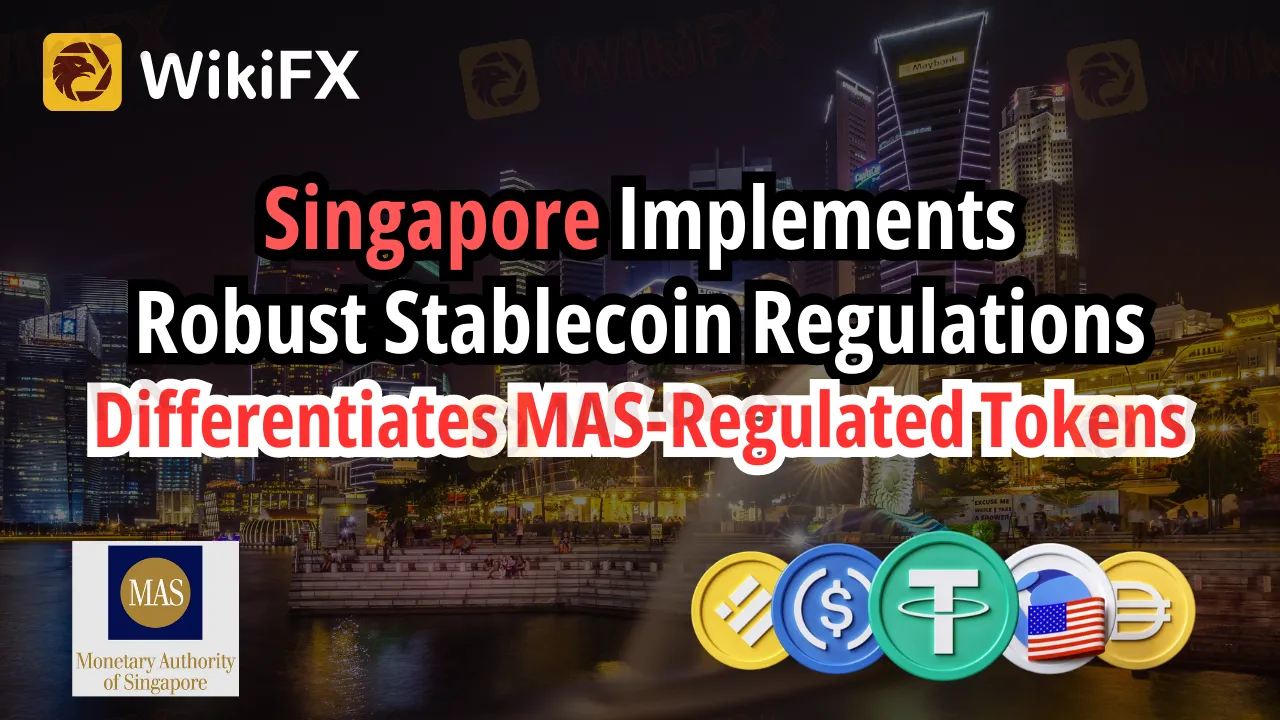
Abstract:Singapore's MAS introduces strict guidelines for stablecoins, ensuring value stability and fostering trust in the digital currency ecosystem.
 MAS-Regulated Tokens.png" title="Singapore Implements Robust Stablecoin Regulations, Differentiates MAS-Regulated Tokens.png" />
Singapore — The Monetary Authority of Singapore (MAS), in its latest move to ensure a sound and resilient digital currency ecosystem, has released detailed guidelines targeted at stablecoins. These regulations are in line with ensuring that the value stability of each stablecoin released in the city-state is preserved.
In a bid to bolster the digital payment landscape, the MAS stipulates that issuers desiring their stablecoins to be tagged “MAS-regulated” must adhere to a set of predefined standards. The introduction of these norms comes after extensive public consultation undertaken in October 2022.
For the unversed, stablecoins are unique digital payment tokens that pledge to retain a steady value in comparison to one or several specified fiat currencies. MAS, in its press release, highlighted, “Stablecoins, when meticulously regulated, can act as a trusted medium of exchange, fostering innovation and facilitating on-chain transactions of digital assets.”
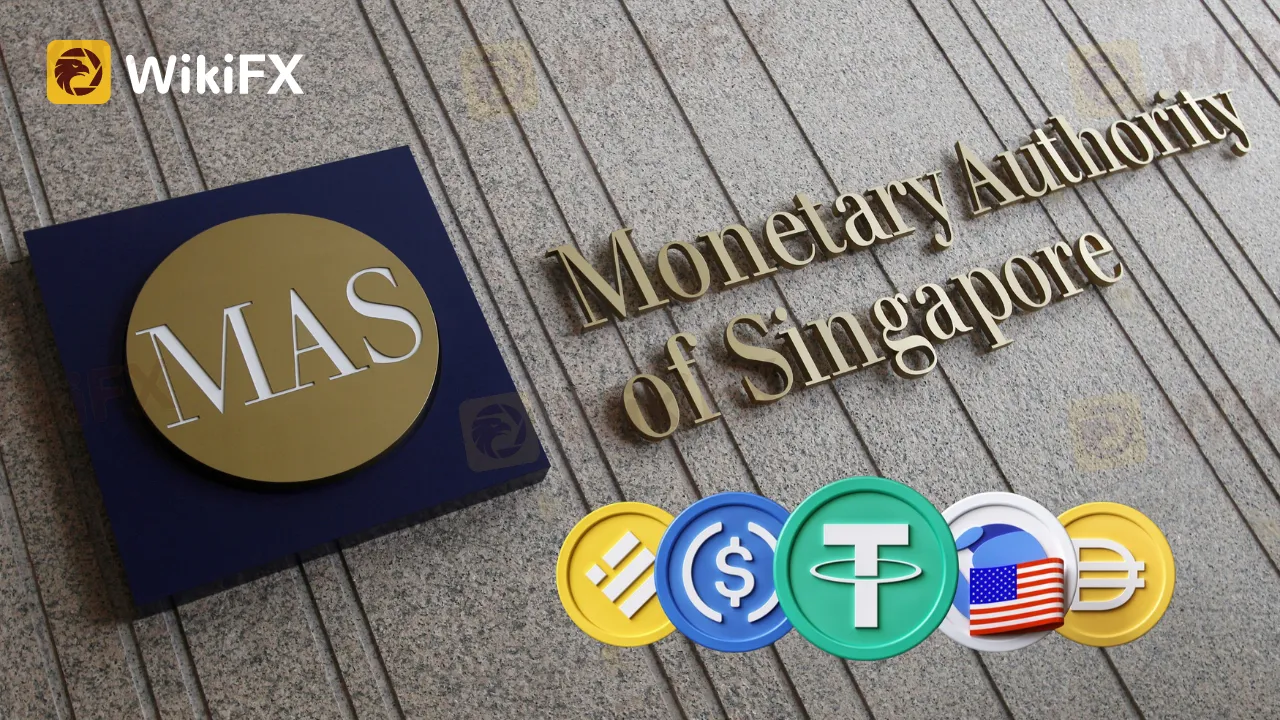
The MAS regulations cover stablecoins, specifically single-currency stablecoins (SCS), tied to the Singapore dollar or any top-tier G10 currencies. Some of the most notable among these currencies include the U.S. dollar, the euro, the Japanese yen, and the Swiss franc.
To obtain the “MAS-regulated stablecoins” accreditation, issuers must meet benchmarks in areas pivotal to the soundness of the financial ecosystem, such as value stability, capital adequacy, and a clear redemption procedure.
Key highlights of the regulations include:
Composition and Valuation: The reserve assets for these stablecoins will undergo stringent requirements related to their composition, valuation, custody, and even audit processes. This is to cement their value stability.
Capital Adequacy: Issuers are expected to uphold minimum base capital and liquid assets, which will act as buffers against insolvency risks.
Redemption: On receiving a redemption request, issuers are mandated to return the par value of SCS to its holders within a time frame of five business days.
Transparency: A vital component, issuers will need to lucidly inform users about the value stabilizing mechanisms in place, the rights of the stablecoin holders, and findings from audits of the reserve assets.
One of the prominent features of this label is its potential to enable users to distinguish between MAS-regulated stablecoins and other digital payment tokens.

Ho Hern Shin, the Deputy Managing Director for Financial Supervision at MAS, passionately spoke on the regulations, emphasizing their role in cementing stablecoins as a “reliable digital medium of exchange”. The regulations also act as a bridge connecting the fiat and digital asset worlds. She further reminisced about the past year when the city-state witnessed the unfortunate collapse of stablecoin terrausd and cryptocurrency luna by the Singapore-based Terraform Labs. This incident was a poignant reminder of the necessity of robust financial regulations.
Following on the heels of the new regulations for crypto service providers launched in July, these stablecoin guidelines reinforce Singapores position at the forefront of digital currency governance.
To remain abreast with the evolving financial landscape and related news, users are advised to download the WikiFX App, available at: https://www.wikifx.com/en/download.html.

Disclaimer:
The views in this article only represent the author's personal views, and do not constitute investment advice on this platform. This platform does not guarantee the accuracy, completeness and timeliness of the information in the article, and will not be liable for any loss caused by the use of or reliance on the information in the article.
India's Q1 FY27 GDP grew 7.8%, beating a 7.4% poll and RBI's 7.0% projection. See three conditional scenarios for INR, rates and gold.
Did you encounter trade-related concerns with Tattvam, a Mauritius-based brokerage entity? Several users have reportedly accused the broker of cancelling profitable trades, allegedly citing scalping as the reason. At the same time, traders have reportedly expressed concerns over the lack of understanding among the broker officials about critical trading aspects such as copy trading. In this Tattvam review, we have carefully examined user-reported allegations. Additionally, we have given a regulatory overview of the broker.

Choosing a forex liquidity provider is not a search for the lowest displayed spread or the longest provider list. It is a broker decision about pricing integrity, depth, routing, credit, reporting, incident response, and client communication. This 2026 guide explains how a forex LP, FX liquidity provider, or liquidity provider forex arrangement fits into a broker’s execution chain; what to test before onboarding; why a “best forex liquidity provider” claim cannot replace due diligence; and how to compare cost beyond commission. Use the execution-quality scorecard, provider questions, routing scenarios, and 90-day onboarding plan to assess whether a liquidity relationship can support your actual client mix, instruments, risk model, and jurisdiction. The goal is not to make a universal ranking. It is to build evidence that your broker can explain, supervise, reconcile, and recover its execution service when market conditions are difficult.
Crypto trading revenue weakened across major platforms in Q2 2026 as market activity slowed, while another crypto-focused platform expanded into forex and CFD products, highlighting a broader shift toward multi-asset trading.
WikiFXWikiFXWikiFXWikiFXWikiFXWikiFXWikiFXWikiFXWikiFXWikiFX