


IG Review for India 2026: RBI Alert List, Regulation, Login, and Forex Risk
IG review for India in 2026: see the RBI Alert List entry, overseas regulation, login checks, forex limits, and a clear broker safety checklist.
Original

简体中文
繁體中文
English
Pусский
日本語
ภาษาไทย
Tiếng Việt
Bahasa Indonesia
Español
हिन्दी
Filippiiniläinen
Français
Deutsch
Português
Türkçe
한국어
العربية
اردو




Abstract:Equifax Ltd fined £11 million by the FCA for a significant 2017 data breach affecting 13.8 million UK consumers. The oversight resulted from mismanaged outsourcing and neglecting known security vulnerabilities. The breach revealed names, birthdates, and other personal data, stressing the importance of robust data protection in the evolving digital world.
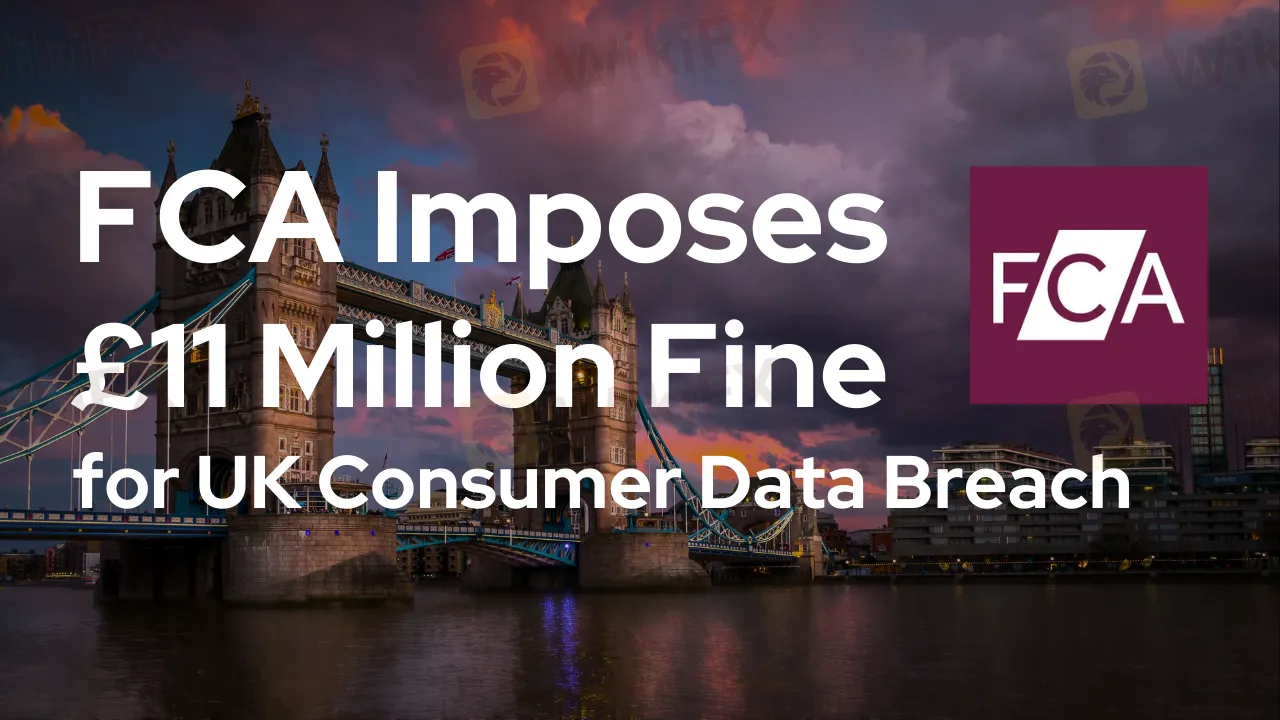
Equifax Ltd has been fined £11 million by the UK's Financial Conduct Authority (FCA) in a major measure to safeguard customers' personal data. This judgment is the result of the company's inability to safeguard the security of UK consumer data, which it had outsourced to Equifax Inc. in the United States.
The failure traces back to 2017 when Equifax Inc. experienced one of the worst computer breaches ever documented. Cyber hackers successfully accessed the personal information of almost 13.8 million UK customers as a result of Equifax's negligence. Names, birthdates, phone numbers, login passwords, certain credit card details, and home addresses were among the data breaches.
The critical aspect to note here is that the breach was avoidable. Equifax did not categorize its ties with its parent company as 'outsourcing', which led to a glaring lapse in supervising how the shared data was safeguarded. Equifax Inc. had known vulnerabilities in its security systems, but adequate actions were not taken to shield UK consumers' data.

Adding salt to the wound, Equifax Ltd was left in the dark about the breach concerning UK consumers for a whole six weeks post the discovery by Equifax Inc. The UK entity only got wind of the breach five minutes before its announcement by the US parent company. This timing disparity resulted in Equifax being overwhelmed by the influx of complaints and subsequently delayed reaching out to its UK customers.
Post the breach, Equifax's public statements further muddied the waters.
Their disclosures on the breach's implications miscommunicated the true extent of affected UK consumers. To worsen matters, the company didn't maintain rigorous quality assurance checks for post-breach complaints, leading to multiple complaints being improperly addressed.
Therese Chambers, Joint Executive Director of Enforcement and Market Oversight at the FCA pointed out the intrinsic duty of financial institutions to protect consumer data, saying, Financial firms possess customer data that's a prime target="_blank" kwlink="6384064000816950219725">target for criminals. The onus is on them to safeguard it.
Equifax's reaction to the breach only exacerbated their initial failure.
She further emphasized the ever-present threat of identity theft, urging companies to adhere to the highest data protection standards, given the relentless evolution of cyber threats.
Jessica Rusu, FCA's Chief Data, Information, and Intelligence Officer, stressed the increasing relevance of cybersecurity and data protection in ensuring the robustness of financial services. She mentioned, “Beyond just technical responsibilities, firms carry an ethical obligation in handling consumer information.”
As the digital landscape evolves, and threats become more sophisticated, it's evident that companies, big or small, must prioritize data protection and ensure that any outsourcing decisions are backed by stringent oversight and security measures.

Disclaimer:
The views in this article only represent the author's personal views, and do not constitute investment advice on this platform. This platform does not guarantee the accuracy, completeness and timeliness of the information in the article, and will not be liable for any loss caused by the use of or reliance on the information in the article.
IG review for India in 2026: see the RBI Alert List entry, overseas regulation, login checks, forex limits, and a clear broker safety checklist.
FCA warns Swift TradeX in a notice first published and updated on 1 September 2026. The UK Financial Conduct Authority says the firm may be providing or promoting financial services without permission, is not authorised, and may be targeting people in the UK. The notice names the website swifttradexai.com, a Worcester address and a UK telephone number, but also cautions that unauthorised businesses may use incorrect or borrowed contact details. The confirmed issue is authorisation status—not a court finding about every transaction. Anyone considering a payment should stop, verify the firm independently, and avoid using contact information supplied by the platform itself.
ThinkMarkets review for India: check the RBI Alert List, overseas entities, regulation, login security, forex rules, costs, withdrawals, and leverage risk.
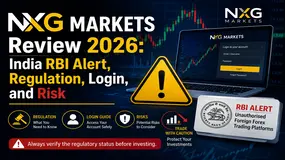
People searching NXG MARKETS regulation or regulation NXG MARKETS need to separate an overseas licence from permission in India. The Reserve Bank of India Alert List, updated 19 November 2025, names NXG Markets and nxgmarkets.com. RBI says listed entities are neither authorised to deal in forex under FEMA nor authorised to run an approved forex electronic trading platform. The broker's own site also says it does not serve residents or citizens of India. This NXG MARKETS review found an overseas Mwali licence record, but no RBI authorisation. No cited court ruling proves fraud. For an Indian user, the local warning and service restriction should control the decision.
WikiFXWikiFXWikiFXWikiFXWikiFXWikiFXWikiFXWikiFXWikiFXWikiFX