


IG Review for India 2026: RBI Alert List, Regulation, Login, and Forex Risk
IG review for India in 2026: see the RBI Alert List entry, overseas regulation, login checks, forex limits, and a clear broker safety checklist.
Original

简体中文
繁體中文
English
Pусский
日本語
ภาษาไทย
Tiếng Việt
Bahasa Indonesia
Español
हिन्दी
Filippiiniläinen
Français
Deutsch
Português
Türkçe
한국어
العربية
اردو




Abstract:Discover how Filipinos are rapidly embracing cryptocurrency in this insightful article by Coins.ph CEO Wei Zhou. Gain valuable insights into the Filipino crypto journey, their growing participation in the digital world, and the importance of educating the public about cryptocurrencies.
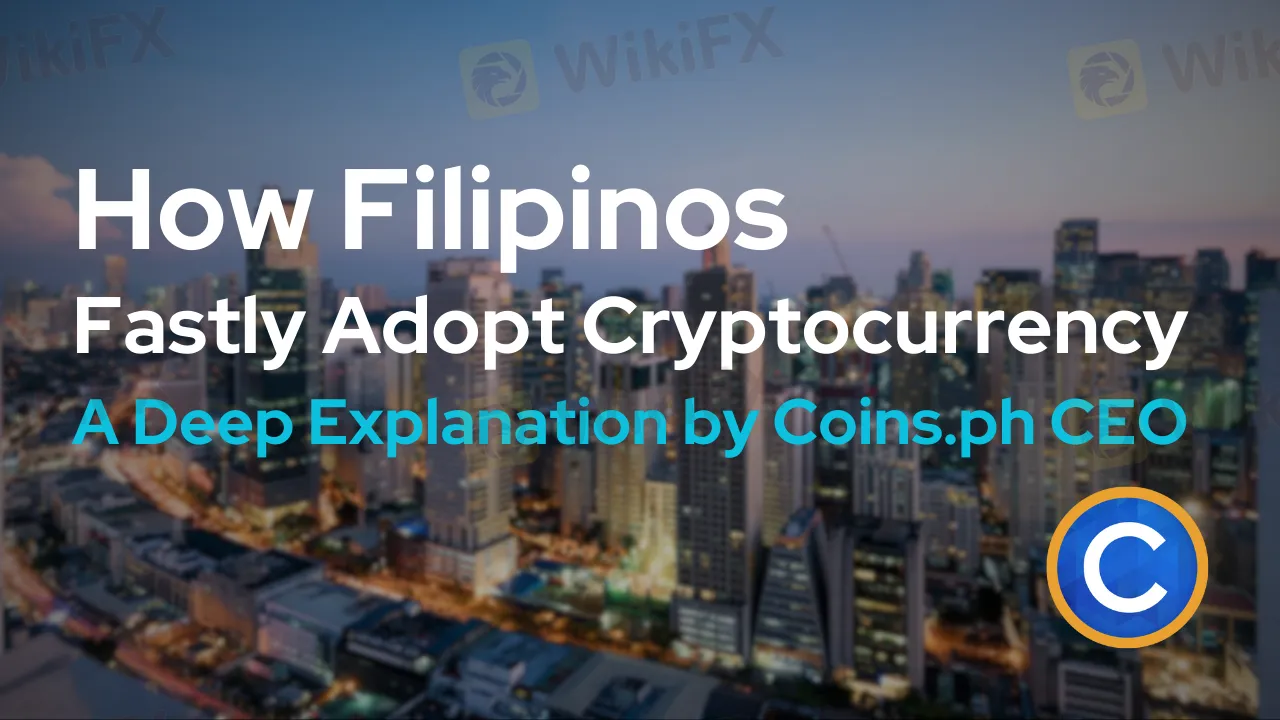
Despite the extreme volatility of cryptocurrencies over the years, Filipinos' interest in these digital assets is growing steadily. Coins. ph, the largest licensed cryptocurrency exchange in the country, recently shed light on this phenomenon.
 Contents
Since their inception, cryptocurrencies have experienced a roller coaster ride in terms of value, earning them a reputation for being investments not for the faint-hearted. Wei Zhou, CEO of Coins.ph remarked that the last few years have been particularly tumultuous for the crypto industry. The rapid rise in popularity has brought both notable successes and various controversies.

Zhou, who joined the cryptocurrency sector in the summer of 2018, compared his five-year experience to that of a battle veteran. According to him, cryptocurrency's development and problems are typical of any developing technology. Technology has transformed several industries during the last two decades, from information to logistics.
He thinks that cryptocurrency will have a comparable impact on the banking sector.
According to recent statistics, as many as 15-20% of Filipinos have used cryptocurrencies in some way. The amount is closer to 5 to 10 million users, according to Coins.ph statistics. The rising worldwide adoption of Bitcoin and other cryptocurrencies suggests that this figure will rise.
Interestingly, Filipinos, apart from typical investment, have shown a keen interest in the 'play to earn' model prevalent in some Web 3.0 games. These games allow users to earn tokens, adding another layer of attraction to the digital world.
One of the pressing concerns is the level of education and understanding Filipinos possess about cryptocurrencies. While traditional currencies have evident underlying fundamentals, cryptocurrencies, particularly new ones, often lack this clarity.
Zhou emphasized that while it's early days, several significant cryptocurrencies are beginning to display fundamental financial features.
For example, Bitcoin, with its limited 21 million coins, has gained acceptance and trust over its decade-long existence. The limited supply coupled with growing demand from traditional financial institutions signifies a potentially bright future for Bitcoin's value.
As the first licensed cryptocurrency exchange in the Philippines, Coins.ph plays a pivotal role in shaping the country's digital financial landscape. Since its inception in 2016, Coins.ph has been the platform where many Filipinos made their first Bitcoin purchase.

Coins.ph's vision extends beyond mere trading. They aim to build a robust ecosystem, encouraging both investors and developers. A notable development is their partnership with US-based financial institution Circle, the issuer of the USDC stablecoin, which promises a stable digital currency backed by audited reserves.
The ultimate ambition of Coins.ph is profound. They envision a platform that facilitates the smooth movement of money, effectively becoming the “NASDAQ for the Philippines.” This vision includes helping local entrepreneurs build on the Web 3.0 platform, access global capital, and offer their innovative services to Filipinos.
With its forward-looking approach, Coins.ph seems poised to lead the Philippines into the future of digital finance. As Wei Zhou optimistically concluded in his interview, the journey has only just begun.

Disclaimer:
The views in this article only represent the author's personal views, and do not constitute investment advice on this platform. This platform does not guarantee the accuracy, completeness and timeliness of the information in the article, and will not be liable for any loss caused by the use of or reliance on the information in the article.
IG review for India in 2026: see the RBI Alert List entry, overseas regulation, login checks, forex limits, and a clear broker safety checklist.
FCA warns Swift TradeX in a notice first published and updated on 1 September 2026. The UK Financial Conduct Authority says the firm may be providing or promoting financial services without permission, is not authorised, and may be targeting people in the UK. The notice names the website swifttradexai.com, a Worcester address and a UK telephone number, but also cautions that unauthorised businesses may use incorrect or borrowed contact details. The confirmed issue is authorisation status—not a court finding about every transaction. Anyone considering a payment should stop, verify the firm independently, and avoid using contact information supplied by the platform itself.
ThinkMarkets review for India: check the RBI Alert List, overseas entities, regulation, login security, forex rules, costs, withdrawals, and leverage risk.
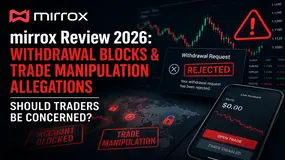
Did mirrox, a brokerage firm, ask you to keep your margin level above 250%-300% and make you add funds immediately if it dropped below it? Did the broker prevent you from opening a trade despite having a healthy equity balance? Did it close your trading account upon a withdrawal request? Many traders have raised these concerns online while sharing their respective mirrox reviews. This article aims to examine these user allegations while answering the popular question: Is mirrox legit or a scam?
WikiFXWikiFXWikiFXWikiFXWikiFXWikiFXWikiFXWikiFXWikiFXWikiFX