


IG Review for India 2026: RBI Alert List, Regulation, Login, and Forex Risk
IG review for India in 2026: see the RBI Alert List entry, overseas regulation, login checks, forex limits, and a clear broker safety checklist.
Original

简体中文
繁體中文
English
Pусский
日本語
ภาษาไทย
Tiếng Việt
Bahasa Indonesia
Español
हिन्दी
Filippiiniläinen
Français
Deutsch
Português
Türkçe
한국어
العربية
اردو




Abstract:Learn about IOSCO's efforts to combat the growing threat of online investment scams and its call for collaborative action to protect investors.

In the face of a mounting menace to online investors, the International Organization of Securities Commissions (IOSCO) is raising the alarm and rallying for a united front to combat the escalating problem.
IOSCO, a global consortium of securities regulators, recently issued a stark warning regarding the mounting perils that investors encounter in the digital landscape. These dangers include misleading promotions, deceptive investment schemes, and the dissemination of misleading information through advertising and social media channels.
“While the patterns of misconduct may appear familiar, the ease of perpetrating online fraud and the boundless nature of the internet pose fresh and intensifying challenges. Emerging forms of fraud, notably involving crypto assets and technology, are on the upswing,” cautioned IOSCO.
The organization also pointed out that the increasing sophistication of artificial intelligence (AI) can exacerbate the scale and impact of detrimental online activities. However, it acknowledged that AI also holds promise as a powerful tool for regulators to identify, forestall, and disrupt fraudulent activities more effectively.
Even as IOSCO voiced support for the burgeoning participation of retail investors in online trading, citing its contributions to financial inclusion and market development, it simultaneously underscored the concurrent rise of “bad actors” employing intricate yet fraudulent tactics to exploit trust and vulnerabilities.

To safeguard investors, IOSCO issued a resounding call to action, urging investors to remain vigilant against online fraud and scams. They emphasized that regulators across the globe continue to be inundated with complaints about the illicit promotion and distribution of products and services online, resulting in substantial losses for retail investors worldwide.
Recognizing the intricacies of addressing online schemes, IOSCO recommended that regulators seek enhanced powers and broader jurisdiction to ensure investor protection within this increasingly complex digital realm.
In a bid to address these challenges, IOSCO implored law enforcement agencies, policymakers, social media platforms, and search engines to join hands in global endeavors to mitigate online harm. Through collaborative efforts, these stakeholders can create a more secure online environment for investors and effectively combat fraudulent activities.
Jean-Paul Servais, Chairman of IOSCO, highlighted the importance of using trustworthy sources of information, avoiding overinvestment in a single product, and investing only what one can afford to lose. These precautions can go a long way in mitigating the risks associated with online investments and shielding retail investors from falling victim to scams.
For more information on IOSCO's endeavors to safeguard online investors and combat online fraud, please visit our website.
IOSCO's Role in Protecting Online Investors
The International Organization of Securities Commissions (IOSCO) is a worldwide organization of securities regulators. Its principal objective is to protect the interests of investors while also ensuring the integrity and efficiency of financial markets. In the context of internet investment, IOSCO is critical in fighting for investor safety and tackling the rising concerns presented by online fraud and scams. The group advocates for coordinated efforts among regulators, law enforcement agencies, lawmakers, and digital platforms to address online abuse and offer a safer environment for investors. IOSCO also advises investors to take care, utilize credible sources of information, and avoid investing more than they can afford to lose while engaging in online investments.

Disclaimer:
The views in this article only represent the author's personal views, and do not constitute investment advice on this platform. This platform does not guarantee the accuracy, completeness and timeliness of the information in the article, and will not be liable for any loss caused by the use of or reliance on the information in the article.
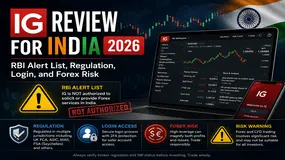
IG review for India in 2026: see the RBI Alert List entry, overseas regulation, login checks, forex limits, and a clear broker safety checklist.
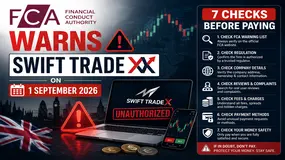
FCA warns Swift TradeX in a notice first published and updated on 1 September 2026. The UK Financial Conduct Authority says the firm may be providing or promoting financial services without permission, is not authorised, and may be targeting people in the UK. The notice names the website swifttradexai.com, a Worcester address and a UK telephone number, but also cautions that unauthorised businesses may use incorrect or borrowed contact details. The confirmed issue is authorisation status—not a court finding about every transaction. Anyone considering a payment should stop, verify the firm independently, and avoid using contact information supplied by the platform itself.
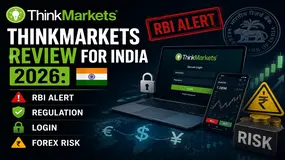
ThinkMarkets review for India: check the RBI Alert List, overseas entities, regulation, login security, forex rules, costs, withdrawals, and leverage risk.
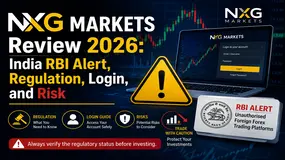
People searching NXG MARKETS regulation or regulation NXG MARKETS need to separate an overseas licence from permission in India. The Reserve Bank of India Alert List, updated 19 November 2025, names NXG Markets and nxgmarkets.com. RBI says listed entities are neither authorised to deal in forex under FEMA nor authorised to run an approved forex electronic trading platform. The broker's own site also says it does not serve residents or citizens of India. This NXG MARKETS review found an overseas Mwali licence record, but no RBI authorisation. No cited court ruling proves fraud. For an Indian user, the local warning and service restriction should control the decision.
WikiFXWikiFXWikiFXWikiFXWikiFXWikiFXWikiFXWikiFXWikiFXWikiFX