


IG Review for India 2026: RBI Alert List, Regulation, Login, and Forex Risk
IG review for India in 2026: see the RBI Alert List entry, overseas regulation, login checks, forex limits, and a clear broker safety checklist.
Original

简体中文
繁體中文
English
Pусский
日本語
ภาษาไทย
Tiếng Việt
Bahasa Indonesia
Español
हिन्दी
Filippiiniläinen
Français
Deutsch
Português
Türkçe
한국어
العربية
اردو




Abstract:China's securities regulator enforces an immediate ban on lending restricted shares to enhance market stability, ensuring fairness and investor confidence amid economic uncertainties and market fluctuations.

In a dramatic move to address the volatility affecting its financial markets, China's securities regulatory agency declared a complete stop to the practice of lending restricted shares, effective immediately beginning Monday. This is the latest in a series of government interventions aimed at restoring stability and trust in the country's stock markets, which have lately witnessed severe volatility.
The context for this decision includes a series of regulatory interventions by Beijing aimed at supporting the market, such as significant reductions in bank reserves, which offered a brief boost to Chinese equities from multi-year lows. However, the resumption of market falls near the conclusion of the week highlighted investors' profound uncertainty about the market's prospects and the larger economic picture. Observers and market players are increasingly outspoken about the need for more comprehensive support policies to reignite consumer and corporate confidence and put the economy back on a solid foundation.
Restricted shares, which are often granted to workers or special investors under restrictions that restrict their immediate sale, can be loaned out for trading purposes. Short-selling is one such activity that might aggravate market downturns over extended periods of poor performance. The new regulation move aims to increase market fairness and equality by hindering the effectiveness of securities lending. This attempts to reduce the informational and tool-based advantages that institutions may have, giving all investors an adequate chance to absorb market changes and contributing to a more balanced market dynamic.

The China Securities Regulatory Commission (CSRC) has expressed a commitment to thoroughly eliminating illicit practices that abuse securities financing for the aim of dumping equities and profiting. The CSRC's announcement detailed forthcoming limits on the functioning of some securities lending activities within the securities refinancing arena, which are slated to begin on March 18. This follows a series of restraints implemented last October, including increased margin requirements, to reduce previously unresolved unlawful regulatory arbitrage activity.
Despite a slight rebound in the indices, the Chinese stock market, notably the flagship blue-chip CSI300 Index, is on a downward trend, having fallen by almost 3% since the start of the year. home investors are increasingly keen to exit the weakening home market, as shown by the inflated premiums on global index funds seeking sanctuary in more stable economic circumstances overseas.
China's reported economic growth of 5.2% in 2023 was slightly above the government's predictions, but it was compared favorably to the previous year, which was hampered by pandemic-induced limitations, portraying the recovery in a more pleasing aspect despite its underlying unevenness. The end-of-year figures provided a bleak picture of consumer spending and highlighted the biggest drop in property prices in over a decade, indicating a severe and long-lasting crisis in the real estate industry.
In a coordinated reaction to these continuing issues, the Shanghai and Shenzhen stock exchanges have placed a halt to securities lending operations by strategic investors during their lockup periods, beginning January 29. This collaborative regulatory effort aims to reduce market volatility while also assuring the protection and equitable treatment of investors across the board, underscoring the government's commitment to market stability and investor confidence.

Disclaimer:
The views in this article only represent the author's personal views, and do not constitute investment advice on this platform. This platform does not guarantee the accuracy, completeness and timeliness of the information in the article, and will not be liable for any loss caused by the use of or reliance on the information in the article.
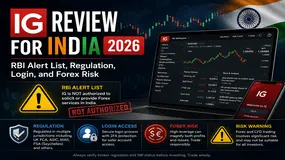
IG review for India in 2026: see the RBI Alert List entry, overseas regulation, login checks, forex limits, and a clear broker safety checklist.
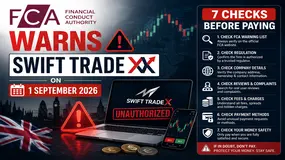
FCA warns Swift TradeX in a notice first published and updated on 1 September 2026. The UK Financial Conduct Authority says the firm may be providing or promoting financial services without permission, is not authorised, and may be targeting people in the UK. The notice names the website swifttradexai.com, a Worcester address and a UK telephone number, but also cautions that unauthorised businesses may use incorrect or borrowed contact details. The confirmed issue is authorisation status—not a court finding about every transaction. Anyone considering a payment should stop, verify the firm independently, and avoid using contact information supplied by the platform itself.
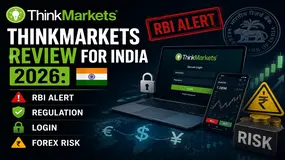
ThinkMarkets review for India: check the RBI Alert List, overseas entities, regulation, login security, forex rules, costs, withdrawals, and leverage risk.
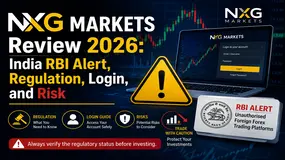
People searching NXG MARKETS regulation or regulation NXG MARKETS need to separate an overseas licence from permission in India. The Reserve Bank of India Alert List, updated 19 November 2025, names NXG Markets and nxgmarkets.com. RBI says listed entities are neither authorised to deal in forex under FEMA nor authorised to run an approved forex electronic trading platform. The broker's own site also says it does not serve residents or citizens of India. This NXG MARKETS review found an overseas Mwali licence record, but no RBI authorisation. No cited court ruling proves fraud. For an Indian user, the local warning and service restriction should control the decision.
WikiFXWikiFXWikiFXWikiFXWikiFXWikiFXWikiFXWikiFXWikiFXWikiFX