


IG Review for India 2026: RBI Alert List, Regulation, Login, and Forex Risk
IG review for India in 2026: see the RBI Alert List entry, overseas regulation, login checks, forex limits, and a clear broker safety checklist.
Original

简体中文
繁體中文
English
Pусский
日本語
ภาษาไทย
Tiếng Việt
Bahasa Indonesia
Español
हिन्दी
Filippiiniläinen
Français
Deutsch
Português
Türkçe
한국어
العربية
اردو




Abstract:The Philippine stock market's early gains in 2024 are waning, raising concerns about a potential downturn amid rising geopolitical risks and currency volatility.
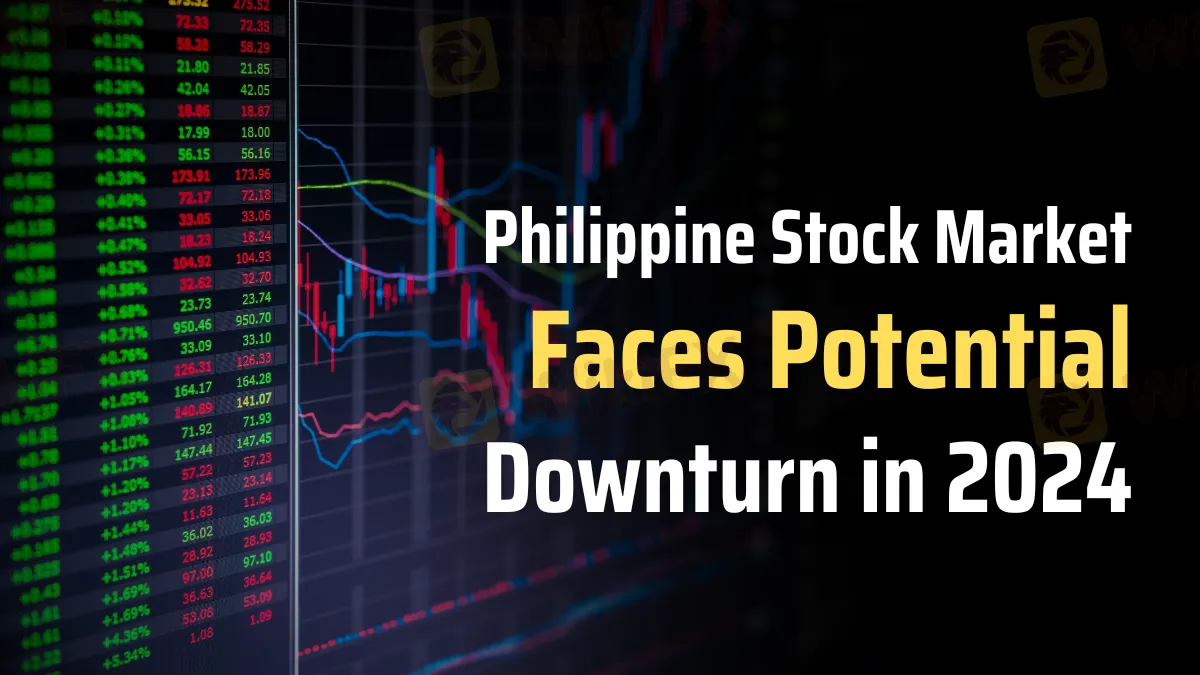
The Philippine Stock Exchange Index (PSEi) began 2024 with confidence, rising as high as 9.6% in the first quarter. However, this early boom looks to be slowing, prompting fears about a likely market crash this year. Over the last four years, there has been a similar trend of big early gains followed by large drops by the end of the year.
In 2020, the PSEi rose 1% in January but fell 8.7% for the year, owing mostly to the COVID-19 pandemic. Similarly, 2021 began promisingly, with a 4% gain in the first two weeks, but ended with a 0.2% loss. This trend was replicated in 2022 and 2023, with initial increases of 1.8% and 7.4%, respectively, but both years ended with negative returns of 7.8% and 1.8%.
The rising possibility of a down cycle is a major contributor to the market's present volatility. Investors are urged to take a more cautious strategy, focusing on diversification and risk control. Geopolitical tensions, especially the danger of intensifying wars, offer a significant risk to the global economy, with the ability to disrupt commerce, raise energy prices, and strain international relations. Such shocks may move investor sentiment away from stocks and toward safer assets such as bonds.
Currency volatility is another significant element impacting the stock market. The Philippine peso recently fell below P58 versus the US dollar, increasing market susceptibility to future currency volatility. In reaction, the Bangko Sentral ng Pilipinas (BSP) may be forced to boost interest rates to fight speculative trading and associated inflationary pressures. Within a month, the yield on 10-year Philippine bonds increased from 6.33% to 7.04%, suggesting that the market expects higher interest rates.
Related news:

Higher interest rates may worsen financial risks, especially considering the growing debt levels of publicly traded corporations on the PSE. The ratio of total debt to entire market capitalization has risen dramatically throughout the years. In 2007, this ratio was 12%, but by 2019, it had risen to 50.2%, and it now stands at 63.2%. This increased debt load, together with possible interest rate increases, presents significant concerns to market stability.
Although certain equities, particularly blue chips, have fallen to historically low levels, there is no assurance that the market will not fall lower. The historical record of the Buffett indicator, which compares the stock market's total market capitalization to GDP, indicates that the market may stay “undervalued” for an extended length of time. Currently, the Buffett indicator is at 71.9%, which is below the 75% level that normally indicates an undervalued market.
History demonstrates that a low Buffett indicator does not always result in a rapid market rebound. For example, during the 2008 global financial crisis, the PSEi lost more than 30% of its value, lowering the Buffett indicator to 43.2%. It took two years for the market to begin climbing again.
Conversely, when the indicator exceeds 90%, suggesting an overpriced market, there is not necessarily a swift correction. This was obvious in 2007, when the index peaked at 106% and the market continued to rise for over a year.
Geopolitical risks, currency volatility, increasing interest rates, and high corporate debt ratios all contribute to the Philippine stock market's complexity. Investors should proceed with prudence during this moment, focusing on diversification, risk management, and a focus on financial fundamentals.
The Philippine stock market's endurance in the face of previous setbacks provides some optimism, but the road to recovery may be longer and more difficult than expected. As the market navigates these volatile times, a cautious investing plan will be critical to reducing risks and ensuring consistent returns.
You may also access the latest news in the Financial market here.

Disclaimer:
The views in this article only represent the author's personal views, and do not constitute investment advice on this platform. This platform does not guarantee the accuracy, completeness and timeliness of the information in the article, and will not be liable for any loss caused by the use of or reliance on the information in the article.
IG review for India in 2026: see the RBI Alert List entry, overseas regulation, login checks, forex limits, and a clear broker safety checklist.
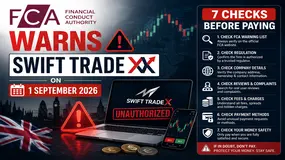
FCA warns Swift TradeX in a notice first published and updated on 1 September 2026. The UK Financial Conduct Authority says the firm may be providing or promoting financial services without permission, is not authorised, and may be targeting people in the UK. The notice names the website swifttradexai.com, a Worcester address and a UK telephone number, but also cautions that unauthorised businesses may use incorrect or borrowed contact details. The confirmed issue is authorisation status—not a court finding about every transaction. Anyone considering a payment should stop, verify the firm independently, and avoid using contact information supplied by the platform itself.
ThinkMarkets review for India: check the RBI Alert List, overseas entities, regulation, login security, forex rules, costs, withdrawals, and leverage risk.
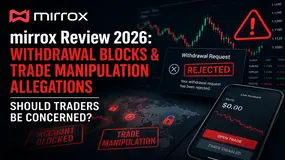
Did mirrox, a brokerage firm, ask you to keep your margin level above 250%-300% and make you add funds immediately if it dropped below it? Did the broker prevent you from opening a trade despite having a healthy equity balance? Did it close your trading account upon a withdrawal request? Many traders have raised these concerns online while sharing their respective mirrox reviews. This article aims to examine these user allegations while answering the popular question: Is mirrox legit or a scam?
WikiFXWikiFXWikiFXWikiFXWikiFXWikiFXWikiFXWikiFXWikiFXWikiFX