


IG Review for India 2026: RBI Alert List, Regulation, Login, and Forex Risk
IG review for India in 2026: see the RBI Alert List entry, overseas regulation, login checks, forex limits, and a clear broker safety checklist.
Original

简体中文
繁體中文
English
Pусский
日本語
ภาษาไทย
Tiếng Việt
Bahasa Indonesia
Español
हिन्दी
Filippiiniläinen
Français
Deutsch
Português
Türkçe
한국어
العربية
اردو




Abstract:Banko Sentral ng Pilipinas Governor hints at a possible rate cut before the US Federal Reserve, affecting the peso's strength.
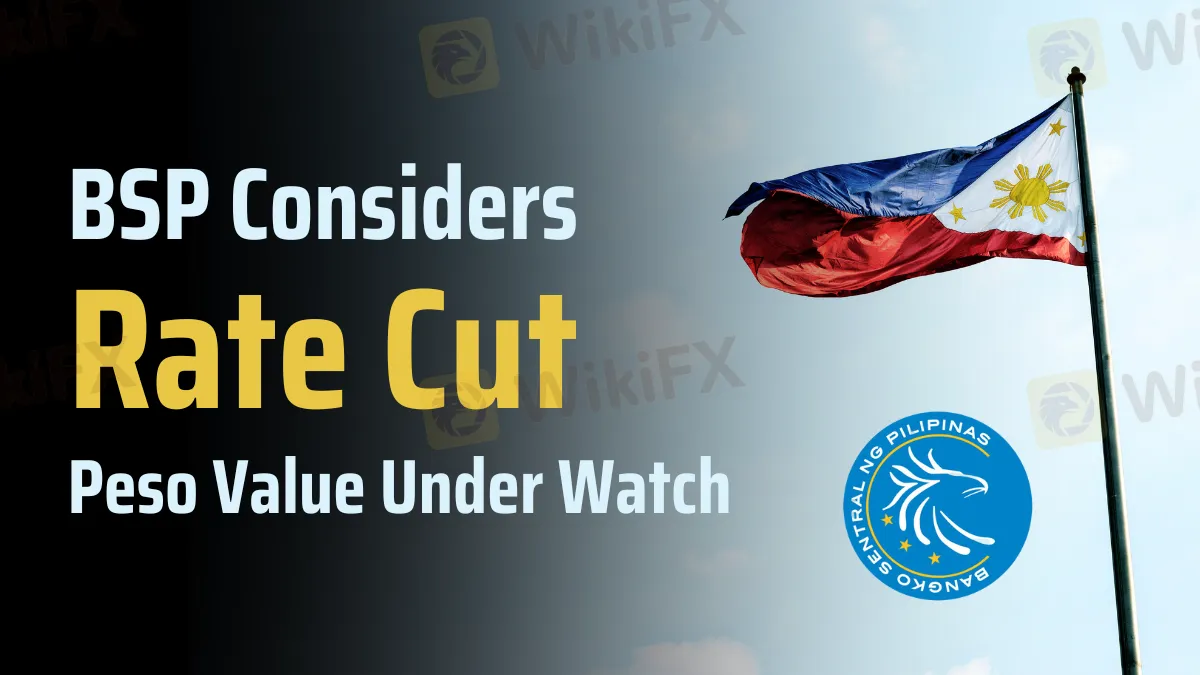
On Tuesday, Eli Remolona, Governor of the Bangko Sentral ng Pilipinas (BSP), said that the central bank might lower its base rate before the Federal Reserve starts its easing cycle. The move comes at a time when the Philippine peso is under a lot of pressure against the US dollar. It has dropped below 58 per dollar, which is its lowest level in 19 months.
Remolona made it clear that the BSP is prepared to intervene when the peso is under pressure but that the central bank does not typically participate in the foreign exchange market every day. “We intervene to express our view of where the peso should be going,” he said.
In 2024, the peso has lost 5.8 percent of its value against the dollar so far. At 6.50 percent, the base policy rate is at its highest level in 17 years. Still, Remolona said again that the BSP might lower rates before the Federal Reserve, which shows that people are more confident in their ability to keep inflation under control. It's because inflation is expected to fall within the BSP's goal range of 2% to 4% this year, after going above this range for two years. This has made the central bank less “hawkish.”
The BSP has kept its base rate steady at recent policy meetings, but there are signs that the rate could go down by 25 basis points as early as August. Another cut of the same size is expected in the fourth quarter. The market thinks that the Federal Reserve might not start lowering interest rates until December, which is different from this position.

Finance Secretary Ralph Recto recently talked about the chance of a 150 basis point rate cut over the next two years. Remolona played down those statements, saying that such a move would be “too aggressive” given the current growth path of the economy. “For that to happen, I think there should be a risk of a hard landing,” he said.
The Philippines' economy rose by 5.7% in the first quarter of 2024, which was a little better than the previous quarter but still less than what was expected. This modest growth shows how hard it is for officials to find the right balance between needing to boost the economy, keeping inflation under control, and keeping the currency stable.
The BSP needs to know about the possible rate cuts and when they might happen in order to deal with these economic problems. Too early of a cut could make it harder to keep inflation in check, and too late of a cut could slow down economic growth.
The central bank's actions show a careful balancing act, as they try to help the economy revive without making inflation worse. The actions of major central banks like the Federal Reserve also have an effect on the BSP's choices when it comes to world economic trends. The BSP and the Fed have different monetary strategies, which can have a big effect on the value of the peso and the Philippines' economy as a whole.
The things Governor Remolona said show that the BSP is cautiously optimistic about the country's economic chances and ready to change its monetary policy as the economy changes. Market players and officials will both be paying close attention to the BSP's policy choices as it continues to keep an eye on inflation and the economy.
The Philippine financial markets will need to be stable, and the economy will need to grow steadily. This will depend on how well the central bank handles these problems.
Check the latest news in the financial market news.html" target="_self" style="color: rgb(46, 82, 153);">here.

Disclaimer:
The views in this article only represent the author's personal views, and do not constitute investment advice on this platform. This platform does not guarantee the accuracy, completeness and timeliness of the information in the article, and will not be liable for any loss caused by the use of or reliance on the information in the article.
IG review for India in 2026: see the RBI Alert List entry, overseas regulation, login checks, forex limits, and a clear broker safety checklist.
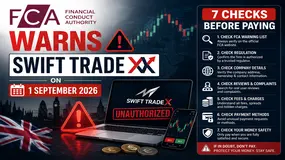
FCA warns Swift TradeX in a notice first published and updated on 1 September 2026. The UK Financial Conduct Authority says the firm may be providing or promoting financial services without permission, is not authorised, and may be targeting people in the UK. The notice names the website swifttradexai.com, a Worcester address and a UK telephone number, but also cautions that unauthorised businesses may use incorrect or borrowed contact details. The confirmed issue is authorisation status—not a court finding about every transaction. Anyone considering a payment should stop, verify the firm independently, and avoid using contact information supplied by the platform itself.
ThinkMarkets review for India: check the RBI Alert List, overseas entities, regulation, login security, forex rules, costs, withdrawals, and leverage risk.
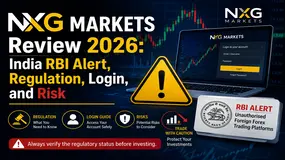
People searching NXG MARKETS regulation or regulation NXG MARKETS need to separate an overseas licence from permission in India. The Reserve Bank of India Alert List, updated 19 November 2025, names NXG Markets and nxgmarkets.com. RBI says listed entities are neither authorised to deal in forex under FEMA nor authorised to run an approved forex electronic trading platform. The broker's own site also says it does not serve residents or citizens of India. This NXG MARKETS review found an overseas Mwali licence record, but no RBI authorisation. No cited court ruling proves fraud. For an Indian user, the local warning and service restriction should control the decision.
WikiFXWikiFXWikiFXWikiFXWikiFXWikiFXWikiFXWikiFXWikiFXWikiFX