


IG Review for India 2026: RBI Alert List, Regulation, Login, and Forex Risk
IG review for India in 2026: see the RBI Alert List entry, overseas regulation, login checks, forex limits, and a clear broker safety checklist.
Original

简体中文
繁體中文
English
Pусский
日本語
ภาษาไทย
Tiếng Việt
Bahasa Indonesia
Español
हिन्दी
Filippiiniläinen
Français
Deutsch
Português
Türkçe
한국어
العربية
اردو




Abstract:Swiss regulator FINMA calls for power to publicly name banks breaching rules, aiming to enhance transparency and accountability in the financial sector.
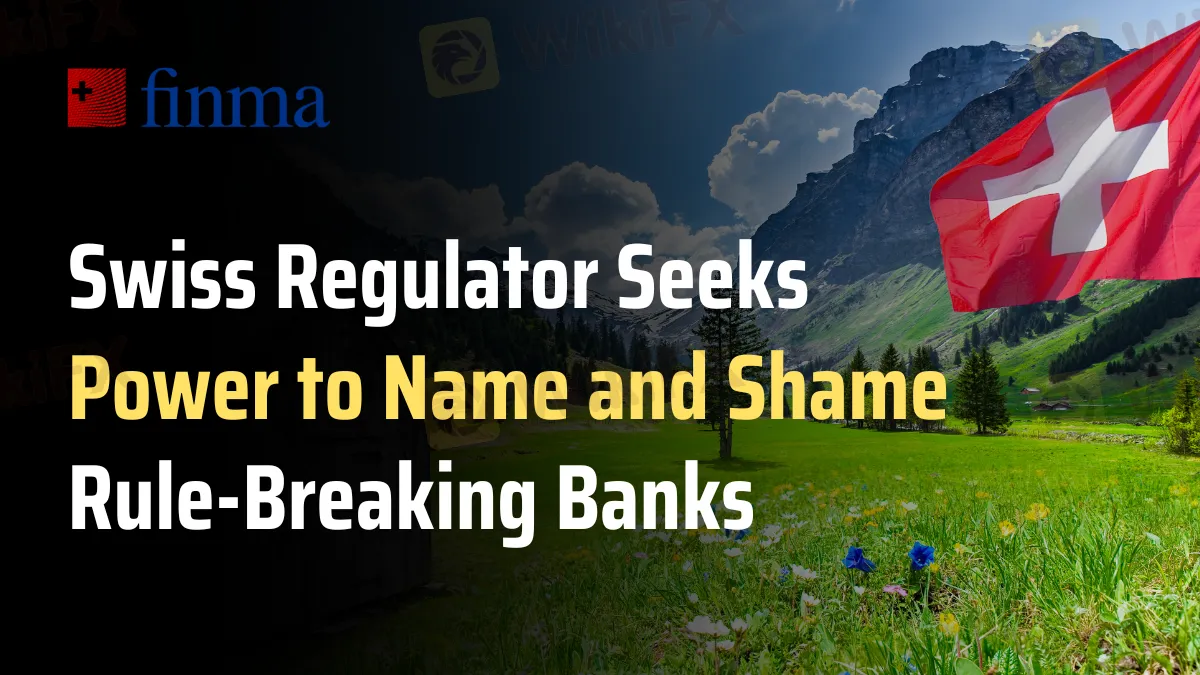
The Swiss financial regulator, FINMA, is advocating for the authority to publicly call out banks that violate regulatory rules. Chief Executive Stefan Walter recently emphasized the necessity of enhanced transparency and accountability in the financial sector during an interview with the Swiss newspaper NZZ. Last year, FINMA was criticized for its management of the Credit Suisse collapse, which led to this drive for enhanced enforcement powers.
FINMA currently discloses enforcement actions against financial institutions infrequently. The disciplinary impact of reversing this practice—making non-disclosure the exception—would be substantial, according to Walter. “If financial institutions were aware that their punishments would be announced publicly, they would be more inclined to comply,” he stated. Walter thinks that this method would serve as a testament to the efficacy of FINMA's supervision initiatives, as accomplishments in safeguarding against problems frequently go unnoticed.
As Walter, who assumed his position in April, stated, banks must be more transparent and provide comprehensive information. If banks refuse to cooperate, FINMA may boost on-site inspections to enforce this. In severe circumstances, Walter recommended that it may be necessary to hold individuals accountable and potentially remove them from their positions. He suggested that a senior management regime be implemented, which would make it simpler to identify those at fault by assigning responsibility to specific individuals.

Following the Credit Suisse crisis, the Swiss government issued 22 recommendations in April to improve the regulation of the country's financial sector, which included the implementation of more stringent capital requirements. UBS, Switzerland's largest bank, which acquired Credit Suisse after its collapse, has expressed concerns about these potential regulatory changes. The chairman of UBS, Colm Kelleher, has contended that increased capital requirements are not the appropriate solution.
Walter, however, emphasized the necessity of maintaining an adequate capital level to prevent future crises. “Capital requirements increase as the size of the organization increases.” However, this does not resolve the issue of capital distribution: “We desire the parent company to have an adequate buffer to prevent it from becoming a bottleneck during a crisis,” he stated. The Credit Suisse crisis underlined the necessity of proper capital distribution within banks, emphasizing the necessity of sufficient reserves at the parent company level to maintain stability.
Although Walter denied his intention to incite a conflict with UBS management, he emphasized the importance of strong capital buffers in mitigating the risk and impact of potential crises. The financial sector in Switzerland is intended to be more transparent and resilient as a result of the proposed regulatory changes, which will ultimately improve public trust and accountability.
The financial community and regulatory authorities, who recognize the significant implications for the future of Swiss banking regulation, will closely monitor FINMA's pursuit of these increased powers.
For the latest news on the financial market, check out news.html" target="_self" style="color: rgb(46, 82, 153);">here.

Disclaimer:
The views in this article only represent the author's personal views, and do not constitute investment advice on this platform. This platform does not guarantee the accuracy, completeness and timeliness of the information in the article, and will not be liable for any loss caused by the use of or reliance on the information in the article.
IG review for India in 2026: see the RBI Alert List entry, overseas regulation, login checks, forex limits, and a clear broker safety checklist.
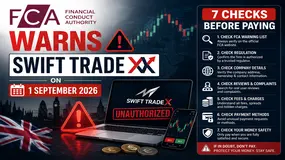
FCA warns Swift TradeX in a notice first published and updated on 1 September 2026. The UK Financial Conduct Authority says the firm may be providing or promoting financial services without permission, is not authorised, and may be targeting people in the UK. The notice names the website swifttradexai.com, a Worcester address and a UK telephone number, but also cautions that unauthorised businesses may use incorrect or borrowed contact details. The confirmed issue is authorisation status—not a court finding about every transaction. Anyone considering a payment should stop, verify the firm independently, and avoid using contact information supplied by the platform itself.
ThinkMarkets review for India: check the RBI Alert List, overseas entities, regulation, login security, forex rules, costs, withdrawals, and leverage risk.
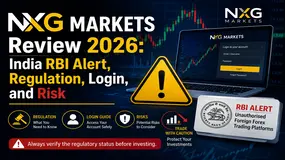
People searching NXG MARKETS regulation or regulation NXG MARKETS need to separate an overseas licence from permission in India. The Reserve Bank of India Alert List, updated 19 November 2025, names NXG Markets and nxgmarkets.com. RBI says listed entities are neither authorised to deal in forex under FEMA nor authorised to run an approved forex electronic trading platform. The broker's own site also says it does not serve residents or citizens of India. This NXG MARKETS review found an overseas Mwali licence record, but no RBI authorisation. No cited court ruling proves fraud. For an Indian user, the local warning and service restriction should control the decision.
WikiFXWikiFXWikiFXWikiFXWikiFXWikiFXWikiFXWikiFXWikiFXWikiFX