


India Q1 FY27 GDP Growth Hits 7.8%: 3 Scenarios for INR and Gold
India's Q1 FY27 GDP grew 7.8%, beating a 7.4% poll and RBI's 7.0% projection. See three conditional scenarios for INR, rates and gold.
Original

简体中文
繁體中文
English
Pусский
日本語
ภาษาไทย
Tiếng Việt
Bahasa Indonesia
Español
हिन्दी
Filippiiniläinen
Français
Deutsch
Português
Türkçe
한국어
العربية
اردو




Abstract:This must-read article emphasizes the importance of prioritizing risk management over chasing profits in online trading, outlining key strategies to protect capital and achieve long-term success.
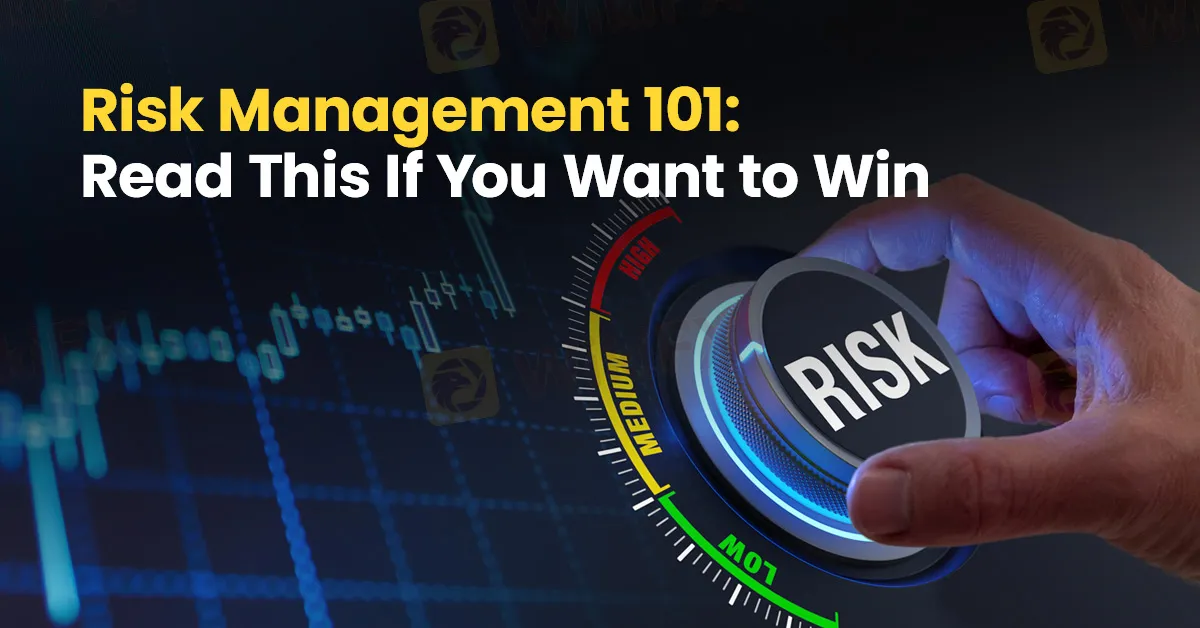
In the fast-paced world of online trading, the allure of substantial monetary gains often overshadows the fundamental principles of prudent investing. While the potential for high returns can be tantalizing, seasoned traders understand that the true key to long-term success lies in robust risk management. This article delves into why focusing on risk management rather than simply chasing profits is crucial for any trader aspiring to achieve sustained success.
Risk management in trading refers to the identification, assessment, and prioritization of risks, followed by the application of resources to minimize and control the probability or impact of unfortunate events. Effective risk management strategies are essential for protecting your trading capital and ensuring that you can continue to participate in the market, even during periods of volatility or loss.

The pursuit of high returns without a clear risk management strategy is a common pitfall among novice traders. This approach can lead to significant losses, as traders may take on excessive risk in hopes of achieving quick gains. Emotional decision-making, driven by greed or fear, often exacerbates this issue, resulting in impulsive trades and poor outcomes.
One of the most fundamental aspects of risk management is determining the appropriate size of each trade. By limiting the amount of capital allocated to a single trade, traders can reduce the impact of any one loss on their overall portfolio. A common rule of thumb is to risk no more than 1-2% of your trading capital on a single trade.
Implementing stop-loss orders is a critical practice for managing risk. A stop-loss order automatically closes a trade when the price reaches a predetermined level, thus limiting potential losses. This helps traders avoid the temptation to hold onto losing positions in the hope of a turnaround.
Spreading investments across different assets or markets can help mitigate risk. Diversification reduces the likelihood of a single adverse event significantly impacting the entire portfolio. By not putting all your eggs in one basket, you can better manage and distribute risk.
Before entering any trade, its essential to evaluate the potential reward relative to the risk. A favourable risk-reward ratio means that the potential profit from a trade should outweigh the potential loss. A common target is a risk-reward ratio of at least 1:2, meaning the expected profit should be at least twice the potential loss.
Maintaining emotional discipline is crucial in risk management. Traders must adhere to their risk management plan and avoid making decisions based on emotions. Sticking to predefined rules and strategies helps in maintaining consistency and preventing impulsive, high-risk trades.
Traders who prioritize risk management over chasing profits tend to experience more consistent results. By protecting their capital and minimizing losses, they are better positioned to take advantage of profitable opportunities when they arise. Additionally, effective risk management can lead to improved psychological well-being, as traders are less likely to experience the stress and anxiety associated with significant financial losses.
While the prospect of quick profits can be enticing, the reality of trading requires a disciplined approach to risk management. By focusing on controlling risk rather than solely chasing monetary gains, traders can build a solid foundation for long-term success. Remember, in the world of trading, it's not just about how much you can make, but how much you can keep. Implementing sound risk management practices is the cornerstone of a sustainable and profitable trading strategy. Embrace risk management, and youll be well on your way to becoming a successful trader.

Disclaimer:
The views in this article only represent the author's personal views, and do not constitute investment advice on this platform. This platform does not guarantee the accuracy, completeness and timeliness of the information in the article, and will not be liable for any loss caused by the use of or reliance on the information in the article.

India's Q1 FY27 GDP grew 7.8%, beating a 7.4% poll and RBI's 7.0% projection. See three conditional scenarios for INR, rates and gold.
Choosing a forex liquidity provider is not a search for the lowest displayed spread or the longest provider list. It is a broker decision about pricing integrity, depth, routing, credit, reporting, incident response, and client communication. This 2026 guide explains how a forex LP, FX liquidity provider, or liquidity provider forex arrangement fits into a broker’s execution chain; what to test before onboarding; why a “best forex liquidity provider” claim cannot replace due diligence; and how to compare cost beyond commission. Use the execution-quality scorecard, provider questions, routing scenarios, and 90-day onboarding plan to assess whether a liquidity relationship can support your actual client mix, instruments, risk model, and jurisdiction. The goal is not to make a universal ranking. It is to build evidence that your broker can explain, supervise, reconcile, and recover its execution service when market conditions are difficult.
We all love trading geniuses and their strategies that earn them profits season after season. And we also love following them to make our investment journey seamless. Copy trading is one such tactic that beginners employ to enter the forex market. What do most of them usually do? They pick an experienced investor from the list and let the platform replicate every trade automatically. The fact that experienced traders continually earn profits, the feeling of copying their trades remains intense. However, the uncertain forex landscape can bite you hard by simply copying trades and not focusing on technical analysis and the charts during the day. Beginners can have a set of preconceived notions that can potentially open the gate for losses. In this article, we have highlighted such mistakes traders should avoid.

As the global forex market continues to move toward regulatory convergence and greater transparency, “trust,” a concept long and frequently emphasized, is gradually evolving from a subjective perception into a quantifiable and verifiable industry standard. WikiFX announces that its industry initiative, “Let Trust Be Seen,” has achieved phased results, attracting broad attention and participation worldwide.
WikiFXWikiFXWikiFXWikiFXWikiFXWikiFXWikiFXWikiFXWikiFXWikiFX