


IG Review for India 2026: RBI Alert List, Regulation, Login, and Forex Risk
IG review for India in 2026: see the RBI Alert List entry, overseas regulation, login checks, forex limits, and a clear broker safety checklist.
Original

简体中文
繁體中文
English
Pусский
日本語
ภาษาไทย
Tiếng Việt
Bahasa Indonesia
Español
हिन्दी
Filippiiniläinen
Français
Deutsch
Português
Türkçe
한국어
العربية
اردو




Abstract:Since late March, the USD/INR price range has been testing its higher limits. The support levels for this currency pair have also risen during this period, demonstrating a robust market structure. However, the pair's ability to swiftly test lows and then revert to the higher price range introduces caution for day traders, indicating the need for vigilance and strategic planning.
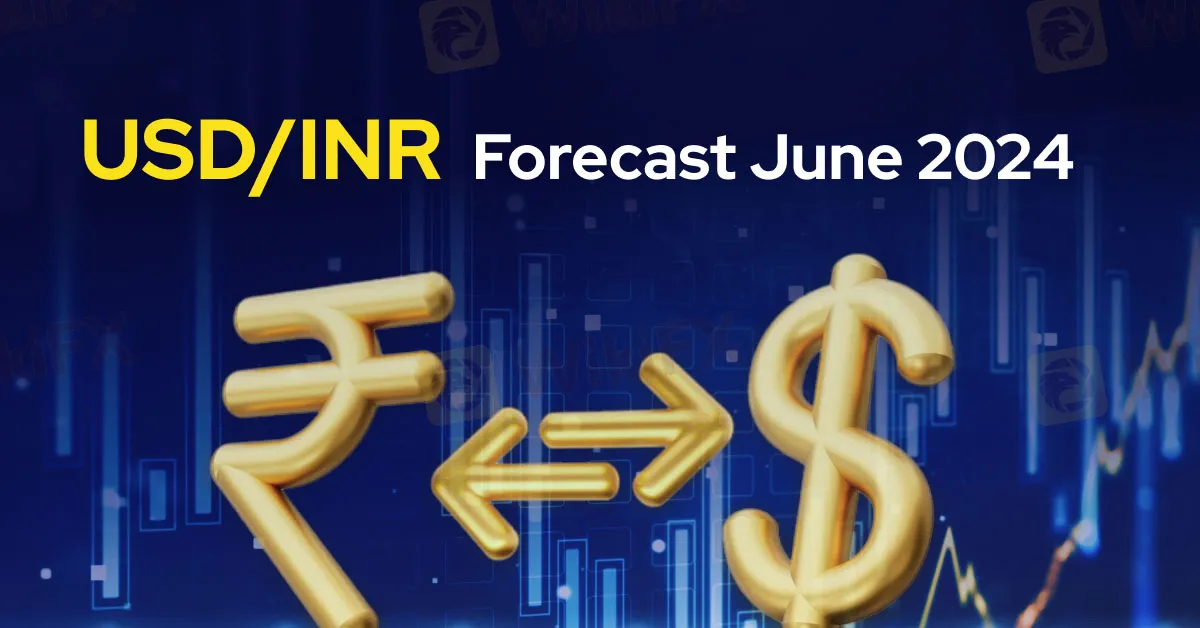
Since late March, the USD/INR price range has been testing its higher limits. The support levels for this currency pair have also risen during this period, demonstrating a robust market structure. However, the pair's ability to swiftly test lows and then revert to the higher price range introduces caution for day traders, indicating the need for vigilance and strategic planning.
In June, the USD/INR closed near the 83.3350 level, mirroring its position on January 8th. Since March 26th, the pair has consistently tested this range, providing opportunities for traders to speculate within a well-defined price realm. These daily fluctuations, although seemingly minor, offer ample trading opportunities via brokers' platforms.
Junes Trading Insights
June ended with the USD/INR around the 83.3350 mark, the lowest point for the week ending June 28th, highlighting a crucial support level established on June 5th. On June 4th, the pair reached a high of nearly 83.6350, with the peak for the month on June 20th at 83.6680. While these movements might seem significant from a mathematical standpoint, the USD/INR remains one of the least volatile pairs in Forex. However, leveraged traders might perceive these fluctuations differently due to the potential for amplified gains or losses.
Tight Controls and Market Dynamics
Day trading the USD/INR is almost forbidden for retail traders in India, leading many to trade via foreign brokers. As July begins, the support near 83.3300 is notable, but predicting daily trends remains challenging without insights into large financial transactions involving Indian corporations or international trade with India. The Indian governments tight control over the USD/INR ensures the currency's value remains stable, limiting significant market disruptions.
Weak Correlations with U.S. Economic Data
Correlating the USD/INR movements with U.S. economic data is complex. While narratives can be crafted to explain the currency pair's fluctuations based on U.S. data, concrete evidence supporting these correlations is scarce. India's vibrant economic data and strong GDP further complicate these connections, indicating that the USD/INR operates within its technical range, relatively independent of U.S. economic influences.
Strategic Trading Approaches
Given the tight control and limited insights into market moves, day traders should consider short-term strategies focused on the USD/INR's established support and resistance levels. When the support near 83.3300 is tested, looking for limited upside bursts can be logical. Conversely, when the pair reaches recent resistance levels, a speculative selling position might prove attractive.
Conclusion
While the USD/INR offers day trading opportunities, understanding the broader economic context and the Indian government's influence is crucial. Traders should approach this pair with a strategic mindset, leveraging the technical range to make informed decisions.

Disclaimer:
The views in this article only represent the author's personal views, and do not constitute investment advice on this platform. This platform does not guarantee the accuracy, completeness and timeliness of the information in the article, and will not be liable for any loss caused by the use of or reliance on the information in the article.
IG review for India in 2026: see the RBI Alert List entry, overseas regulation, login checks, forex limits, and a clear broker safety checklist.

Orbex, a Cyprus-based brokerage entity, has recorded 30 exposure complaints on WikiFX, a leading forex broker regulation inquiry tool, so far. Other review websites have also recorded a healthy number of complaints against the brokerage firm. These complaints largely talk about the alleged profit confiscations by the broker in the name of trading violations, difficulty in accessing fund withdrawals, capital losses due to artificial slippage, etc. In this Orbex review, we have investigated user complaints and provided a regulatory overview of the broker.
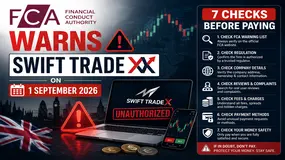
FCA warns Swift TradeX in a notice first published and updated on 1 September 2026. The UK Financial Conduct Authority says the firm may be providing or promoting financial services without permission, is not authorised, and may be targeting people in the UK. The notice names the website swifttradexai.com, a Worcester address and a UK telephone number, but also cautions that unauthorised businesses may use incorrect or borrowed contact details. The confirmed issue is authorisation status—not a court finding about every transaction. Anyone considering a payment should stop, verify the firm independently, and avoid using contact information supplied by the platform itself.

Did mirrox, a brokerage firm, ask you to keep your margin level above 250%-300% and make you add funds immediately if it dropped below it? Did the broker prevent you from opening a trade despite having a healthy equity balance? Did it close your trading account upon a withdrawal request? Many traders have raised these concerns online while sharing their respective mirrox reviews. This article aims to examine these user allegations while answering the popular question: Is mirrox legit or a scam?
WikiFXWikiFXWikiFXWikiFXWikiFXWikiFXWikiFXWikiFXWikiFXWikiFX