


IG Review for India 2026: RBI Alert List, Regulation, Login, and Forex Risk
IG review for India in 2026: see the RBI Alert List entry, overseas regulation, login checks, forex limits, and a clear broker safety checklist.
Original

简体中文
繁體中文
English
Pусский
日本語
ภาษาไทย
Tiếng Việt
Bahasa Indonesia
Español
हिन्दी
Filippiiniläinen
Français
Deutsch
Português
Türkçe
한국어
العربية
اردو




Abstract:Learn the basics of forex trading and the importance of jurisdiction. Understand global regulations, cross-border trading risks, and how to navigate the forex market safely.
 Contents
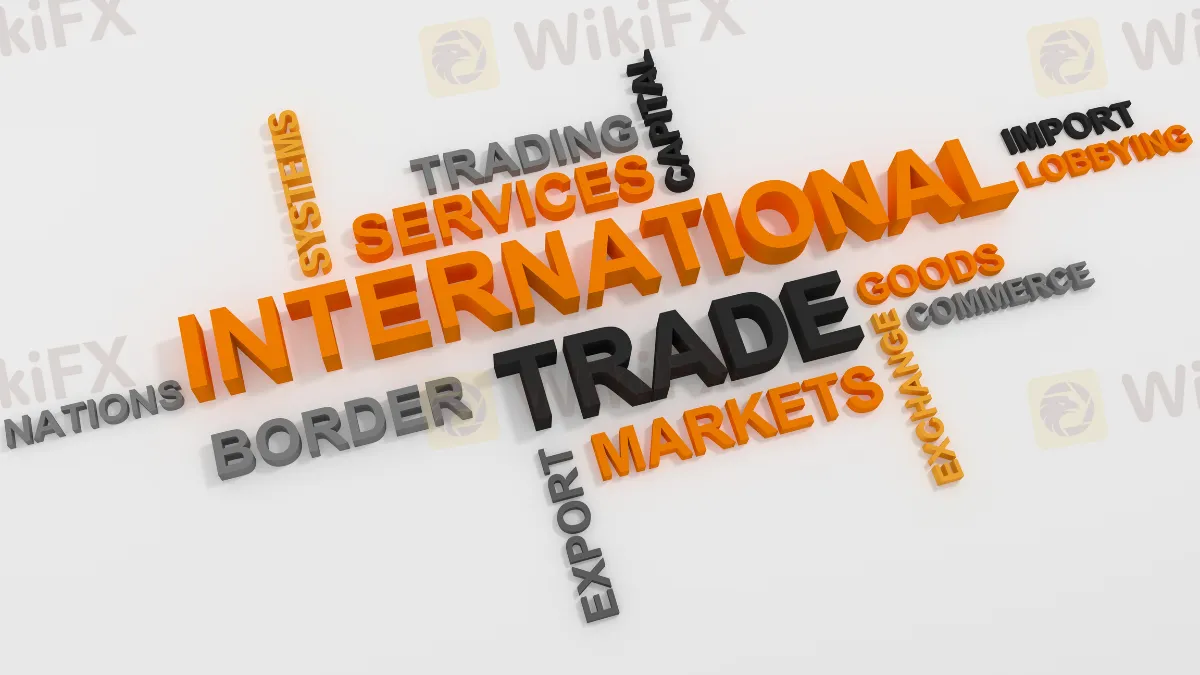
Forex trading, often known as foreign exchange trading, is the worldwide market buying and selling of currencies. Operating twenty-four hours a day, five days a week, this market is among the most active and liquid financial marketplaces in the globe. Forex trading's distributed character, however, also implies that depending on the jurisdiction it is subject to different rules. To negotiate this challenging terrain, traders must first grasp the function of jurisdiction in controlling forex trading.
Various areas have set up their own regulatory agencies to monitor activity in forex trading. To guarantee market integrity and control forex brokers in the United States, for instance, the Commodity Futures Trading Commission (CFTC) and the National Futures Association (NFA) rule. To protect traders against dishonest behavior, these regulators set strict standards on brokers including capital sufficiency, risk management, and openness.
Forex trading is essentially under control in the European Union by the European Securities and Markets Authority (ESMA). Emphasizing investor protection, market integrity, and financial stability, ESMA uses a consistent regulatory framework applied throughout member nations. Operating within the EU, brokers have to follow the Markets in Financial Instruments Directive (MiFID II), which lays out exact guidelines on disclosure, behavior, and openness.
Asia boasts its own set of regulatory agencies such as the Financial Services Agency (FSA) in Japan and the Monetary Authority of Singapore (MAS). These bodies enforce rules to guarantee equitable trade practices, safeguard investors, and preserve the general state of the financial system.
Forex trading across borders adds even more complications. Seeking brokers in other countries allows traders to benefit from diverse regulatory rules, trading circumstances, and leverage limitations. Still, this approach presents a unique set of difficulties. Not always harmonized are cross-border rules, which could result in legal uncertainty and higher trader risks.

For example, a US trader interacting with a broker in a nation with lax regulations may find it difficult to get remedies should problems develop. Domestic regulatory authorities provide safeguards, however, they could not reach international brokers, therefore exposing traders to unethical behavior or fraud. Before starting cross-border trading, traders must so carefully investigate and grasp the regulatory environment of the broker's country.
Trading outside of one's jurisdiction carries a lot of risk. Lack of control by regulations is one of the main hazards. Brokers working in countries with weak rules may not follow the same norms of behavior and openness as those in more tightly regulated areas. This raises the possibility of running across dishonest brokers who may either vanish with customer money, control pricing, or even participate in illegal trading.
The possible difficulty in settling conflicts adds even another danger. Pursuing legal action may be complicated and expensive if a trader has problems with a broker situated in another country. Countries have very different legal systems and enforcement systems, hence merchants may have trouble negotiating these variations.
Moreover, dealers could potentially run against problems with different tax rules and reporting standards. Using a foreign broker could complicate tax filing and cause possible legal problems and financial fines. Traders have to be aware of their tax responsibilities and, if needed, consult professionals.
Forex trading is greatly regulated by the rule of jurisdiction; every area sets its own set of guidelines and criteria to safeguard traders and preserve market integrity. Cross-border trading presents extra dangers that traders have to carefully evaluate even if it might provide prospects. Understanding the regulatory environment and the possible hazards of trading outside their jurisdiction helps traders make wise judgments and reduce the risks connected with FX trading. Successful navigation of the challenging world of forex trading ultimately depends on being educated and alert.
Access the regulatory bodies along with the their regulated forex brokers.

Disclaimer:
The views in this article only represent the author's personal views, and do not constitute investment advice on this platform. This platform does not guarantee the accuracy, completeness and timeliness of the information in the article, and will not be liable for any loss caused by the use of or reliance on the information in the article.
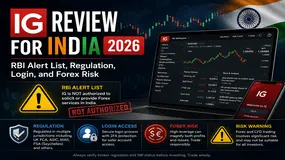
IG review for India in 2026: see the RBI Alert List entry, overseas regulation, login checks, forex limits, and a clear broker safety checklist.
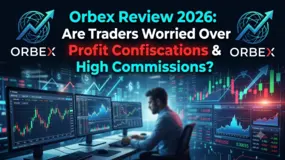
Orbex, a Cyprus-based brokerage entity, has recorded 30 exposure complaints on WikiFX, a leading forex broker regulation inquiry tool, so far. Other review websites have also recorded a healthy number of complaints against the brokerage firm. These complaints largely talk about the alleged profit confiscations by the broker in the name of trading violations, difficulty in accessing fund withdrawals, capital losses due to artificial slippage, etc. In this Orbex review, we have investigated user complaints and provided a regulatory overview of the broker.
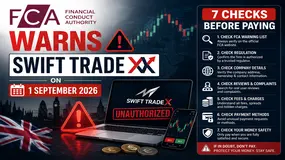
FCA warns Swift TradeX in a notice first published and updated on 1 September 2026. The UK Financial Conduct Authority says the firm may be providing or promoting financial services without permission, is not authorised, and may be targeting people in the UK. The notice names the website swifttradexai.com, a Worcester address and a UK telephone number, but also cautions that unauthorised businesses may use incorrect or borrowed contact details. The confirmed issue is authorisation status—not a court finding about every transaction. Anyone considering a payment should stop, verify the firm independently, and avoid using contact information supplied by the platform itself.
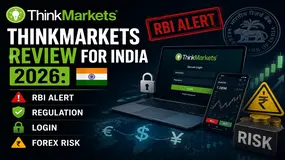
ThinkMarkets review for India: check the RBI Alert List, overseas entities, regulation, login security, forex rules, costs, withdrawals, and leverage risk.
WikiFXWikiFXWikiFXWikiFXWikiFXWikiFXWikiFXWikiFXWikiFXWikiFX