


IG Review for India 2026: RBI Alert List, Regulation, Login, and Forex Risk
IG review for India in 2026: see the RBI Alert List entry, overseas regulation, login checks, forex limits, and a clear broker safety checklist.
Original

简体中文
繁體中文
English
Pусский
日本語
ภาษาไทย
Tiếng Việt
Bahasa Indonesia
Español
हिन्दी
Filippiiniläinen
Français
Deutsch
Português
Türkçe
한국어
العربية
اردو




Abstract:Are financial influencers (finfluencers) trustworthy?
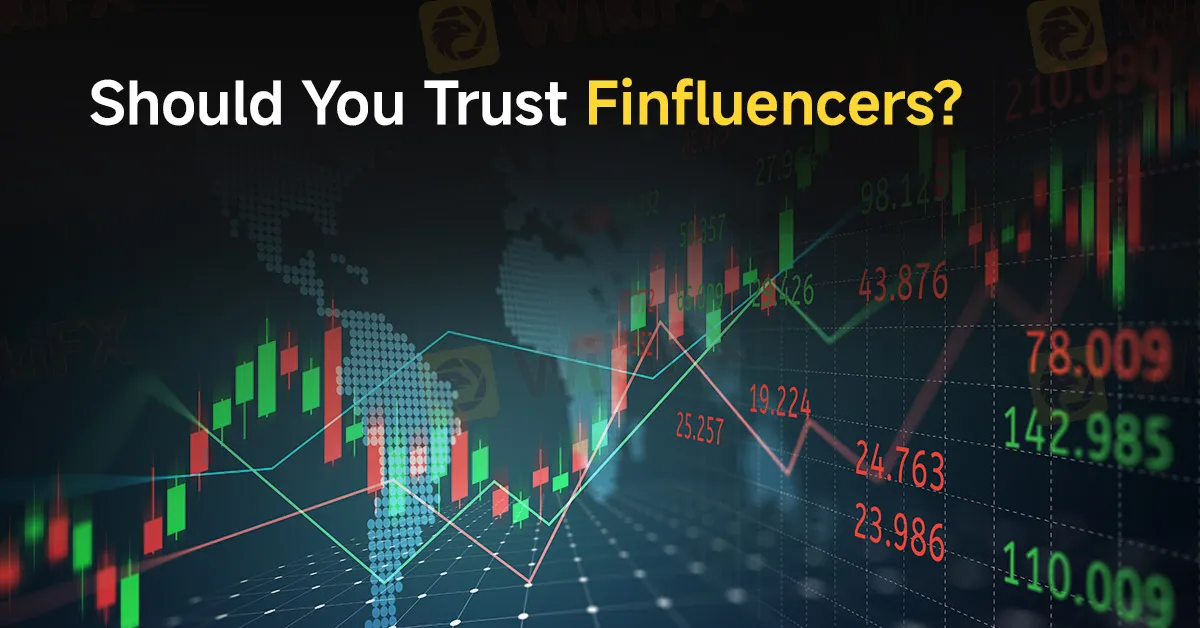
In the digital age, the financial landscape has undergone a significant transformation, not least due to the rise of financial influencers, or “finfluencers.” These individuals, often with large followings on social media platforms, offer advice on investments, trading strategies, and promote various brokers and trading platforms. While their content can be engaging and seemingly informative, it is crucial for the public to exercise caution. The credibility of these finfluencers is not guaranteed, and blindly following their endorsements can lead to significant financial risks.
Finfluencers have emerged as a powerful force in the financial world, leveraging their charisma and personal brand to attract followers. They simplify complex financial concepts, making them accessible to a broader audience. For novice investors, the appeal of a friendly, relatable guide in the intimidating world of finance is undeniable. However, this accessibility can also be a double-edged sword.

One of the most significant risks associated with finfluencers is the lack of regulation and oversight. Unlike financial advisors who are required to hold certifications and adhere to regulatory standards, finfluencers operate in a largely unregulated space. Their advice may not be scrutinized by any governing body, and there is no guarantee of its accuracy or reliability. This lack of oversight makes it difficult for the average investor to discern the quality of the information being presented.
Another hidden risk is the potential conflict of interest. Many finfluencers receive compensation from brokers or trading platforms for promoting their services. This creates a potential conflict of interest, as the finfluencers primary motivation may be financial gain rather than the well-being of their audience. Promotional content is often presented as genuine advice, blurring the lines between advertising and objective analysis.
Misleading credentials also pose a significant threat. Some finfluencers may exaggerate their credentials or experience to build credibility. Without thorough verification, it is challenging for followers to distinguish between truly knowledgeable individuals and those who are simply good at self-promotion.
Social media thrives on virality and trends, which can lead to a herd mentality among investors. When a finfluencer with a large following endorses a broker or platform, it can create a bandwagon effect, leading many to invest based on hype rather than sound financial principles. This herd mentality can inflate asset prices artificially and result in significant losses when the bubble bursts.
Given these risks, it is essential for investors to conduct their own due diligence rather than relying solely on the recommendations of finfluencers. Before following any financial advice, research the finfluencers background. Look for verifiable credentials, such as certifications from recognized financial institutions or a proven track record in the industry.
Being aware of potential conflicts of interest is also crucial. If a finfluencer is promoting a specific broker or platform, investigate whether they are being compensated for their endorsement. Transparency in these matters can often be found in disclaimers or fine print.
Moreover, do not rely on a single source of information. Cross-reference advice from multiple finfluencers and reputable financial news outlets. Diversifying the sources of your information can provide a more balanced view and help mitigate bias.
For significant financial decisions, it is advisable to consult with a certified financial advisor. They are legally obligated to act in your best interest and can provide personalized advice based on your financial situation and goals.
The allure of finfluencers is undeniable, particularly in a world where financial literacy is increasingly important. However, their popularity should not overshadow the necessity for caution and critical thinking. The financial world is fraught with complexity and risk, and the unregulated nature of social media advice can exacerbate these dangers. By remaining vigilant and conducting thorough research, investors can protect themselves from the potential pitfalls of blindly following finfluencers and make more informed financial decisions.

Disclaimer:
The views in this article only represent the author's personal views, and do not constitute investment advice on this platform. This platform does not guarantee the accuracy, completeness and timeliness of the information in the article, and will not be liable for any loss caused by the use of or reliance on the information in the article.
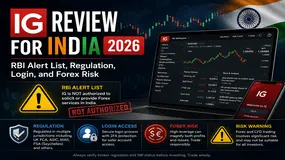
IG review for India in 2026: see the RBI Alert List entry, overseas regulation, login checks, forex limits, and a clear broker safety checklist.
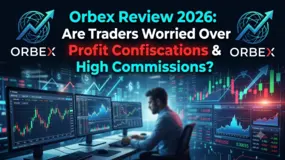
Orbex, a Cyprus-based brokerage entity, has recorded 30 exposure complaints on WikiFX, a leading forex broker regulation inquiry tool, so far. Other review websites have also recorded a healthy number of complaints against the brokerage firm. These complaints largely talk about the alleged profit confiscations by the broker in the name of trading violations, difficulty in accessing fund withdrawals, capital losses due to artificial slippage, etc. In this Orbex review, we have investigated user complaints and provided a regulatory overview of the broker.
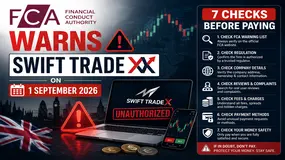
FCA warns Swift TradeX in a notice first published and updated on 1 September 2026. The UK Financial Conduct Authority says the firm may be providing or promoting financial services without permission, is not authorised, and may be targeting people in the UK. The notice names the website swifttradexai.com, a Worcester address and a UK telephone number, but also cautions that unauthorised businesses may use incorrect or borrowed contact details. The confirmed issue is authorisation status—not a court finding about every transaction. Anyone considering a payment should stop, verify the firm independently, and avoid using contact information supplied by the platform itself.
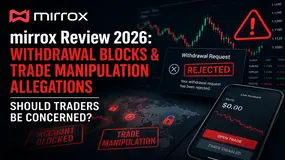
Did mirrox, a brokerage firm, ask you to keep your margin level above 250%-300% and make you add funds immediately if it dropped below it? Did the broker prevent you from opening a trade despite having a healthy equity balance? Did it close your trading account upon a withdrawal request? Many traders have raised these concerns online while sharing their respective mirrox reviews. This article aims to examine these user allegations while answering the popular question: Is mirrox legit or a scam?
WikiFXWikiFXWikiFXWikiFXWikiFXWikiFXWikiFXWikiFXWikiFXWikiFX