


IG Review for India 2026: RBI Alert List, Regulation, Login, and Forex Risk
IG review for India in 2026: see the RBI Alert List entry, overseas regulation, login checks, forex limits, and a clear broker safety checklist.
Original

简体中文
繁體中文
English
Pусский
日本語
ภาษาไทย
Tiếng Việt
Bahasa Indonesia
Español
हिन्दी
Filippiiniläinen
Français
Deutsch
Português
Türkçe
한국어
العربية
اردو




Abstract:AI investing is a rapidly growing trend that leverages software and algorithms to analyze market trends and make predictions based on historical data, all while considering price volatility and risk. However, scammers are now exploiting the AI hype to deceive investors and steal their money.

AI investing is a rapidly growing trend that leverages software and algorithms to analyze market trends and make predictions based on historical data, all while considering price volatility and risk. However, scammers are now exploiting the AI hype to deceive investors and steal their money.
Daily Profits With ChatGPT: Strategies To Make Up To $1,000 a Day
Discover: What To Do If You Owe Back Taxes to the IRS
Californias Department of Financial Protection and Innovation (DFPI) has noted that many investment platforms today offer mobile AI investing apps, AI trading bots, or websites integrating AI technology into their strategies. However, the DFPI has reported a significant increase in investment scams that claim to use artificial intelligence to generate profits for investors. These frauds often assert that their AI can trade crypto on behalf of investors and generate “too-good-to-be-true” returns.
The Autorité des marchés financiers (AMF) has also issued warnings about the rise in investment scams using AI technology. “Scammers can… use deepfakes to make anyone say anything in order to get you to, for example, put money into totally fictitious investments,” the AMF stated, as reported by Investment Executive.

To protect yourself from these scams, the DFPI suggests the following steps:
1. Be Skeptical of AI Crypto Trading Claims
Many platforms that claim to trade crypto on behalf of investors are scams. Be cautious of any service that guarantees high returns through AI-driven crypto trading.
2. Question AI-Generated Returns
Investment platforms that claim to use AI to generate returns often lie to trick investors into handing over their money, usually in the form of crypto assets. Always question the legitimacy of these claims.
3. Watch for Promoters on Online Platforms
Scammers frequently promote fraudulent investment opportunities on online platforms such as YouTube. The DFPI regularly tracks new scams emerging on these platforms. Be wary of unsolicited investment advice online.
4. Avoid Recruitment-Based Investments
Investment opportunities that require you to recruit other investors, such as Ponzi or pyramid schemes, are typically red flags. If an opportunity sounds too good to be true and involves recruitment, it's best to stay away.
5. Be Cautious of High Returns with Little Risk
Investments promising high returns with little risk are often scams. Always consider the risk level of an investment before committing your money.
6. Recognize Buzzworthy Terms
Scammers use buzzworthy terms to entice investors and may employ AI to create fictitious people, deepfakes, or cloned voices. These tactics are designed to build trust and trick investors into believing in the legitimacy of the scam.
7. Understand Deepfake Risks
Deepfakes are now prevalent on most social media platforms and the internet. Scammers can use this technology to create fake personas with online profiles, making it easier to deceive investors. Be aware of the potential for deepfakes and other AI-generated fraud.
Conclusion
As AI technology continues to advance, so too do the tactics of scammers looking to exploit this trend. By staying informed and vigilant, you can protect yourself from falling victim to AI investment scams. Always conduct thorough research and remain skeptical of promises of high returns with minimal risk. If an investment opportunity seems too good to be true, it likely is.
Stay safe and make informed decisions when it comes to investing in the age of AI.

Disclaimer:
The views in this article only represent the author's personal views, and do not constitute investment advice on this platform. This platform does not guarantee the accuracy, completeness and timeliness of the information in the article, and will not be liable for any loss caused by the use of or reliance on the information in the article.

IG review for India in 2026: see the RBI Alert List entry, overseas regulation, login checks, forex limits, and a clear broker safety checklist.

Orbex, a Cyprus-based brokerage entity, has recorded 30 exposure complaints on WikiFX, a leading forex broker regulation inquiry tool, so far. Other review websites have also recorded a healthy number of complaints against the brokerage firm. These complaints largely talk about the alleged profit confiscations by the broker in the name of trading violations, difficulty in accessing fund withdrawals, capital losses due to artificial slippage, etc. In this Orbex review, we have investigated user complaints and provided a regulatory overview of the broker.

FCA warns Swift TradeX in a notice first published and updated on 1 September 2026. The UK Financial Conduct Authority says the firm may be providing or promoting financial services without permission, is not authorised, and may be targeting people in the UK. The notice names the website swifttradexai.com, a Worcester address and a UK telephone number, but also cautions that unauthorised businesses may use incorrect or borrowed contact details. The confirmed issue is authorisation status—not a court finding about every transaction. Anyone considering a payment should stop, verify the firm independently, and avoid using contact information supplied by the platform itself.
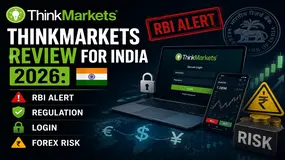
ThinkMarkets review for India: check the RBI Alert List, overseas entities, regulation, login security, forex rules, costs, withdrawals, and leverage risk.
WikiFXWikiFXWikiFXWikiFXWikiFXWikiFXWikiFXWikiFXWikiFXWikiFX