


IG Review for India 2026: RBI Alert List, Regulation, Login, and Forex Risk
IG review for India in 2026: see the RBI Alert List entry, overseas regulation, login checks, forex limits, and a clear broker safety checklist.
Original

简体中文
繁體中文
English
Pусский
日本語
ภาษาไทย
Tiếng Việt
Bahasa Indonesia
Español
हिन्दी
Filippiiniläinen
Français
Deutsch
Português
Türkçe
한국어
العربية
اردو




Abstract:Indian trader lose $5,960.15 to FXOpulence after being unable to withdraw funds. Learn how to avoid such scams and protect your investments.
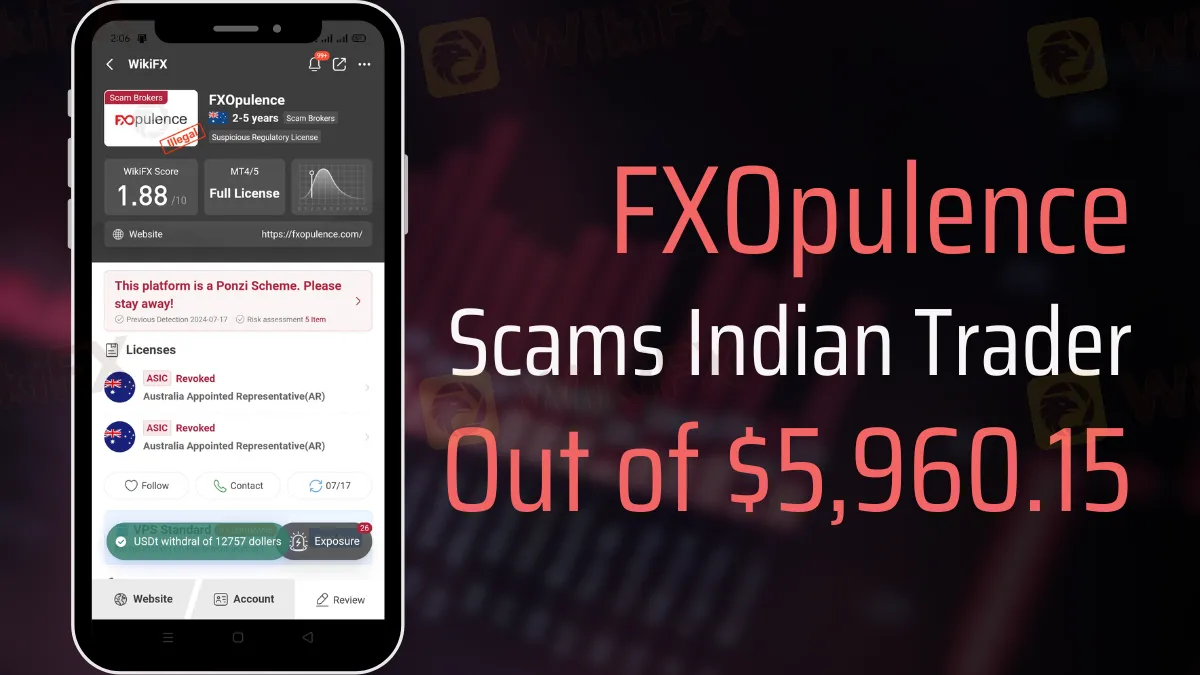
In a distressing turn of events, Indian traders have become victims of an unscrupulous broker, FXOpulence. Despite their best efforts, these traders faced significant financial losses when attempting to withdraw funds from their FXOpulence accounts. This article delves into the details of the scam, providing insights into the shared experiences of the victims and offering guidance on avoiding similar pitfalls.
One Indian trader, who prefers to remain anonymous, reported losing 5,960.15 USD after FXOpulence denied his withdrawal request. The trader expressed his frustration, stating, “I cannot withdraw my money from FXOpulence. Please do what is needed.” Despite repeated attempts, the trader could not retrieve his funds, highlighting the deceitful practices of FXOpulence.

Unfortunately, this trader is not alone. Another Indian national fell victim to the same scam, losing 5,834.75 USD. These cases underscore the significant risk posed by unregulated brokers like FXOpulence.
Read the article case below:
Protecting oneself from such fraudulent brokers requires constant vigilance and the right tools. Here are some essential tips and features from WikiFX to help traders safeguard their investments:
The cases of the Indian traders scammed by FXOpulence are a stark reminder of the dangers posed by unregulated brokers. By leveraging the tools and resources provided by WikiFX, traders can make informed decisions and protect their investments from similar fraudulent activities. Always prioritize safety and due diligence to ensure a secure trading experience.
Avoid falling victim to brokers like FXOpulence. Check reviews and regulatory status now. Visit FXOpulence's page on WikiFX for details.

Disclaimer:
The views in this article only represent the author's personal views, and do not constitute investment advice on this platform. This platform does not guarantee the accuracy, completeness and timeliness of the information in the article, and will not be liable for any loss caused by the use of or reliance on the information in the article.
IG review for India in 2026: see the RBI Alert List entry, overseas regulation, login checks, forex limits, and a clear broker safety checklist.

Orbex, a Cyprus-based brokerage entity, has recorded 30 exposure complaints on WikiFX, a leading forex broker regulation inquiry tool, so far. Other review websites have also recorded a healthy number of complaints against the brokerage firm. These complaints largely talk about the alleged profit confiscations by the broker in the name of trading violations, difficulty in accessing fund withdrawals, capital losses due to artificial slippage, etc. In this Orbex review, we have investigated user complaints and provided a regulatory overview of the broker.
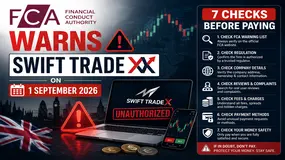
FCA warns Swift TradeX in a notice first published and updated on 1 September 2026. The UK Financial Conduct Authority says the firm may be providing or promoting financial services without permission, is not authorised, and may be targeting people in the UK. The notice names the website swifttradexai.com, a Worcester address and a UK telephone number, but also cautions that unauthorised businesses may use incorrect or borrowed contact details. The confirmed issue is authorisation status—not a court finding about every transaction. Anyone considering a payment should stop, verify the firm independently, and avoid using contact information supplied by the platform itself.
ThinkMarkets review for India: check the RBI Alert List, overseas entities, regulation, login security, forex rules, costs, withdrawals, and leverage risk.
WikiFXWikiFXWikiFXWikiFXWikiFXWikiFXWikiFXWikiFXWikiFXWikiFX