


India Q1 FY27 GDP Growth Hits 7.8%: 3 Scenarios for INR and Gold
India's Q1 FY27 GDP grew 7.8%, beating a 7.4% poll and RBI's 7.0% projection. See three conditional scenarios for INR, rates and gold.
Original

简体中文
繁體中文
English
Pусский
日本語
ภาษาไทย
Tiếng Việt
Bahasa Indonesia
Español
हिन्दी
Filippiiniläinen
Français
Deutsch
Português
Türkçe
한국어
العربية
اردو




Abstract:Emotional investing occurs when investors make decisions based on their emotions rather than on solid financial principles and analysis. This type of investing often involves impulsive actions driven by fear, greed, hope, or other emotions, leading to irrational choices and heightened risk.
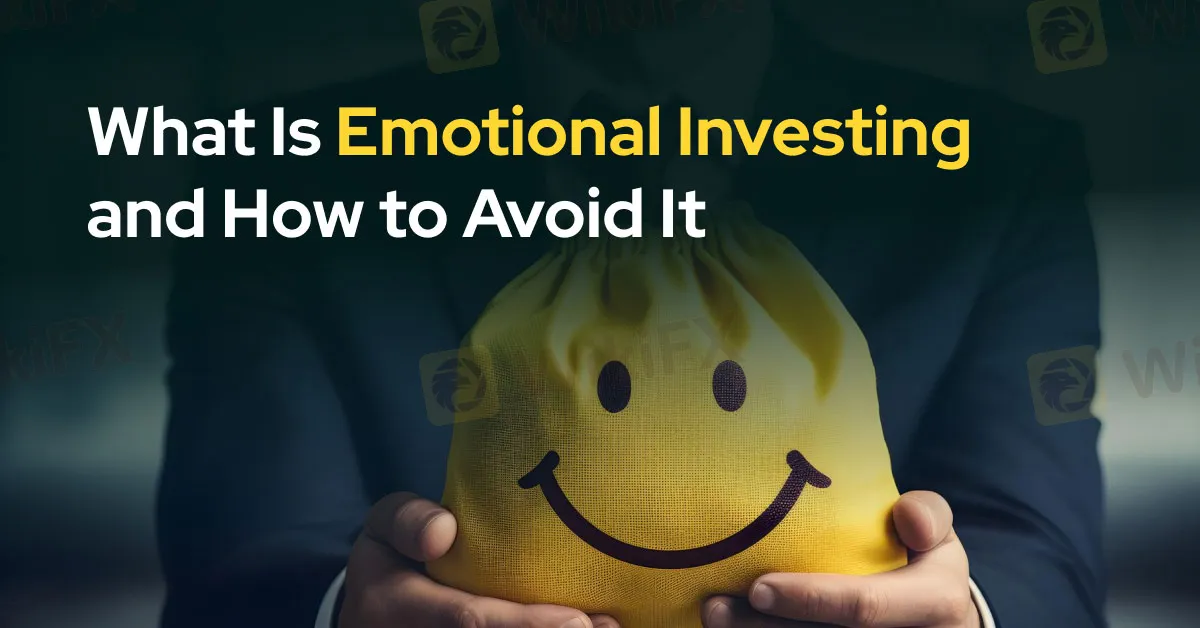
Understanding Emotional Investing
Emotional investing occurs when investors make decisions based on their emotions rather than on solid financial principles and analysis. This type of investing often involves impulsive actions driven by fear, greed, hope, or other emotions, leading to irrational choices and heightened risk.
Emotional investors typically exhibit the following behaviors:
Chasing Trends: Buying assets that have recently performed well due to fear of missing out (FOMO).
Panic Selling: Selling investments during market downturns out of fear of further losses.
Overconfidence: Believing too strongly in their ability to predict market movements, leading to excessive risk-taking.
Regret Avoidance: Holding onto losing investments to avoid admitting a mistake.
The Risks of Emotional Investing
Investing based on emotions can lead to significant financial losses. When emotions take over, investors are more likely to:
Buy High and Sell Low: Driven by fear and greed, emotional investors often enter and exit positions at the worst possible times.
Ignore Fundamentals: Making decisions without considering the underlying value or financial health of investments.
Increase Portfolio Volatility: Frequent buying and selling based on emotional reactions can lead to higher transaction costs and increased portfolio volatility.
How to Avoid Emotional Investing
Create a Plan: Establish a clear investment strategy with defined goals, risk tolerance, and time horizon. A solid plan helps you stay focused during market fluctuations.
Stick to Fundamentals: Base investment decisions on thorough research and analysis of financial statements, market conditions, and other relevant factors.
Set Rules: Implement rules for buying and selling investments. For example, use stop-loss orders to limit potential losses and set profit-taking points to lock in gains.
Diversify: Spread your investments across different asset classes, sectors, and geographic regions to reduce risk and avoid the temptation to chase high returns in a single area.
Maintain Discipline: Avoid making impulsive decisions. Take a step back and assess whether your choices align with your investment plan.
Stay Informed: Keep up with market trends and news, but dont let short-term noise dictate your decisions. Focus on long-term objectives.
Practice Patience: Successful investing often requires patience. Avoid reacting to every market movement and give your investments time to grow.
Seek Professional Advice: Consult with a financial advisor to gain objective insights and help you stay on track with your investment goals.
Conclusion
Emotional investing can lead to poor financial outcomes due to impulsive and irrational decisions. By recognizing the pitfalls of emotional investing and implementing strategies to stay disciplined, investors can make more informed choices, reduce risk, and increase the likelihood of achieving their financial goals. Remember, a well-thought-out investment plan grounded in fundamentals is your best defense against the temptations of emotional investing.

Disclaimer:
The views in this article only represent the author's personal views, and do not constitute investment advice on this platform. This platform does not guarantee the accuracy, completeness and timeliness of the information in the article, and will not be liable for any loss caused by the use of or reliance on the information in the article.
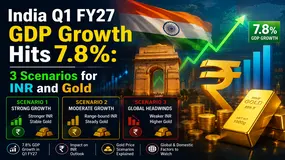
India's Q1 FY27 GDP grew 7.8%, beating a 7.4% poll and RBI's 7.0% projection. See three conditional scenarios for INR, rates and gold.
Choosing a forex liquidity provider is not a search for the lowest displayed spread or the longest provider list. It is a broker decision about pricing integrity, depth, routing, credit, reporting, incident response, and client communication. This 2026 guide explains how a forex LP, FX liquidity provider, or liquidity provider forex arrangement fits into a broker’s execution chain; what to test before onboarding; why a “best forex liquidity provider” claim cannot replace due diligence; and how to compare cost beyond commission. Use the execution-quality scorecard, provider questions, routing scenarios, and 90-day onboarding plan to assess whether a liquidity relationship can support your actual client mix, instruments, risk model, and jurisdiction. The goal is not to make a universal ranking. It is to build evidence that your broker can explain, supervise, reconcile, and recover its execution service when market conditions are difficult.
We all love trading geniuses and their strategies that earn them profits season after season. And we also love following them to make our investment journey seamless. Copy trading is one such tactic that beginners employ to enter the forex market. What do most of them usually do? They pick an experienced investor from the list and let the platform replicate every trade automatically. The fact that experienced traders continually earn profits, the feeling of copying their trades remains intense. However, the uncertain forex landscape can bite you hard by simply copying trades and not focusing on technical analysis and the charts during the day. Beginners can have a set of preconceived notions that can potentially open the gate for losses. In this article, we have highlighted such mistakes traders should avoid.

As the global forex market continues to move toward regulatory convergence and greater transparency, “trust,” a concept long and frequently emphasized, is gradually evolving from a subjective perception into a quantifiable and verifiable industry standard. WikiFX announces that its industry initiative, “Let Trust Be Seen,” has achieved phased results, attracting broad attention and participation worldwide.
WikiFXWikiFXWikiFXWikiFXWikiFXWikiFXWikiFXWikiFXWikiFXWikiFX