


FCA Warning Capital Zodiac 7 September 2026 and Seven Checks Before Paying
The FCA named Capital Zodiac as an unauthorised clone on 7 September 2026. Check capitalzodiac.com, capitalzodiac.net and FRN 806702 before paying.
Original

简体中文
繁體中文
English
Pусский
日本語
ภาษาไทย
Tiếng Việt
Bahasa Indonesia
Español
हिन्दी
Filippiiniläinen
Français
Deutsch
Português
Türkçe
한국어
العربية
اردو




Abstract:This article challenges traders to examine whether their actions are driven by emotions or disciplined strategy, emphasizing the importance of planned risk management over impulsive, adrenaline-fueled decisions for sustainable success.
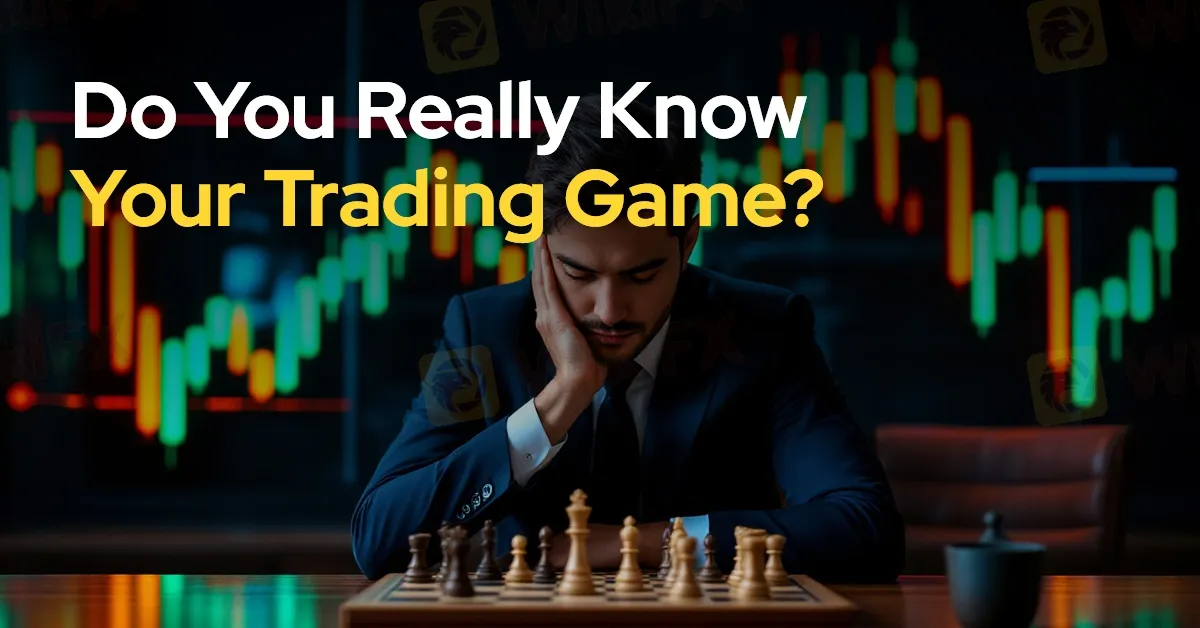
Many traders think theyve mastered the trading game, but in reality, they may be falling victim to a cycle driven by emotions—greed, fear, and the infamous fear of missing out (FOMO). What might feel like mastery can often be a pursuit led by adrenaline, causing traders to chase wins rather than commit to disciplined risk management. The thrill of fast profits may give an illusion of control, but without a solid strategy, many traders find themselves on a path from one emotional high to a deeper low. The truth is, without clear planning and discipline, trading becomes a volatile game with devastating consequences.
It‘s easy to confuse the rush of a big win with genuine skill. When trades go well, traders feel invincible, thinking they’ve “cracked the code.” But when the tide turns, the emotional response that was once excitement quickly shifts to fear or panic. This seesawing between elation and despair can create a mental strain that leads to poor decision-making and, ultimately, burnout. Too often, traders begin with the right intentions, but when faced with losses, theyre tempted to recover quickly, throwing strategy aside to chase profits—an approach that only worsens losses.
Trading thats driven by emotion is far from a sustainable practice. In fact, seasoned traders know that genuine success in trading is built on a foundation of calm, methodical decision-making and strategic risk management. Rather than seeing the markets as a place to “win big,” skilled traders see them as a space for disciplined practice, understanding that each trade is part of a larger journey. Learning to manage risk effectively, rather than maximizing wins, is at the heart of sustainable trading. It requires accepting that losses are part of the game and sticking to a well-planned strategy, even when the urge to follow market hype is strong.

A common pitfall is the “all-in” mentality, where traders pour everything into one big trade hoping for huge returns. While it can be tempting to follow the crowd or the latest trend, these quick gains rarely last, often leaving traders with even bigger losses. This reactive style isn‘t trading; it’s gambling. True traders understand the importance of consistency and patience. Theyre not focused on instant success but on long-term growth, which means setting realistic goals and respecting their own limits. By developing a structured approach, traders learn to separate emotions from strategy, allowing them to navigate both gains and setbacks with clarity.
Without proper education and practice, trading can quickly spiral into a disheartening journey. Those who chase wins without understanding the risks will often end up drained, both financially and emotionally. To avoid this, traders must take a hard look at their habits and face the reality of their motivations. Trading isn‘t about riding the highs of market excitement—it’s about mastering the discipline to act with intention, planning each move, and managing risks in every decision. This is the difference between sustainable success and a cycle of burnout and despair.
Ultimately, the traders who thrive are those who resist the pull of emotional trading and commit to learning. Real success doesnt come from adrenaline-fueled decisions; it comes from steady, informed practice and a deep respect for the risks involved. So, ask yourself: do you really know your trading game?

Disclaimer:
The views in this article only represent the author's personal views, and do not constitute investment advice on this platform. This platform does not guarantee the accuracy, completeness and timeliness of the information in the article, and will not be liable for any loss caused by the use of or reliance on the information in the article.
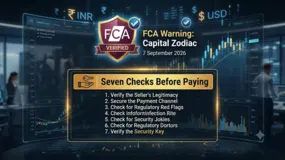
The FCA named Capital Zodiac as an unauthorised clone on 7 September 2026. Check capitalzodiac.com, capitalzodiac.net and FRN 806702 before paying.
This WEALTH-FX review starts with a licensing statement that needs verification. The client agreement on wealth-fx.com says the company is incorporated in St. Vincent and the Grenadines as 88102 LLC 2021 and is authorised and regulated by the SVG FSA. An official SVG FSA notice, however, says forex trading brokerage activities are not licensed in that jurisdiction. The same agreement separately names WealthFX Liquidity Limited, company 180782, and describes a Mauritius International License. For an India-based reader, those website claims do not replace RBI rules for permitted forex transactions or an independently confirmed licence record.
Did ePlanet, a Comoros-based brokerage, allegedly withhold your dollars on the platform? Did the broker prevent you from accessing the ePlanet login dashboard upon a withdrawal request? Did the broker platform execute trade orders slowly? Have you faced losses due to slippage? This ePlanet review 2026 evaluates user claims while also providing a regulatory overview of the broker.

FCA warns EXOTICINVEST in a notice first published and updated on 3 September 2026. The UK regulator identifies EXOTICINVEST TRADING AND INVESTMENT FIRM and the website www.exoticinvest.ltd, stating that the firm is not authorised and may be targeting people in the UK. This is a dated regulatory warning, not a customer review or a confirmed loss report. Anyone approached through the named website should stop before paying, avoid sharing login credentials and verify the exact business independently through the FCA Firm Checker.
WikiFXWikiFXWikiFXWikiFXWikiFXWikiFXWikiFXWikiFXWikiFXWikiFX