


IG Review for India 2026: RBI Alert List, Regulation, Login, and Forex Risk
IG review for India in 2026: see the RBI Alert List entry, overseas regulation, login checks, forex limits, and a clear broker safety checklist.
Original

简体中文
繁體中文
English
Pусский
日本語
ภาษาไทย
Tiếng Việt
Bahasa Indonesia
Español
हिन्दी
Filippiiniläinen
Français
Deutsch
Português
Türkçe
한국어
العربية
اردو




Abstract:A crypto trader turned $27 into $52M through PEPE memecoin, proving the massive potential—and risks—of investing in volatile cryptocurrencies.
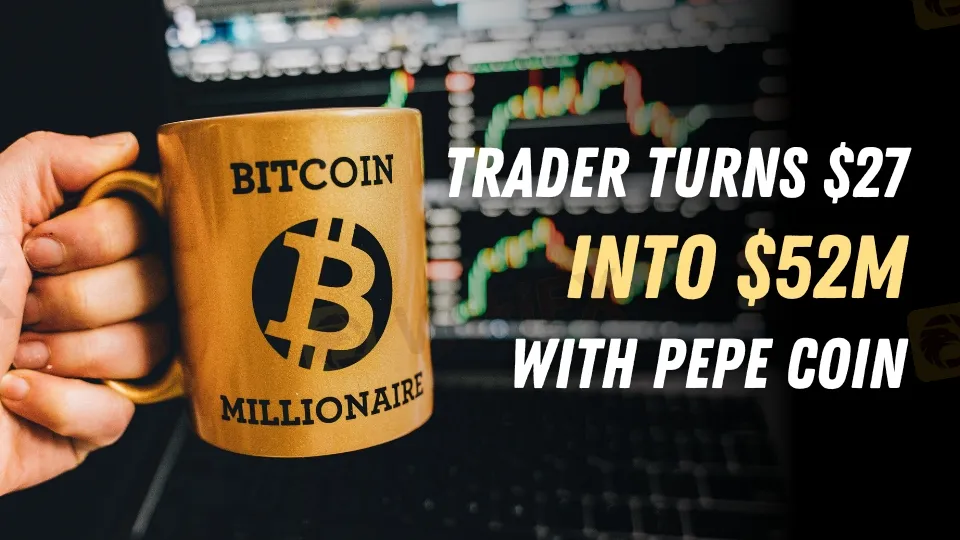
In a jaw-dropping success story, a cryptocurrency trader turned a mere $27 investment into an astonishing $52 million profit through the popular memecoin PEPE. The feat, unveiled by blockchain analytics firm Lookonchain on December 14, highlights the unpredictable yet lucrative nature of memecoin trading.
The trader, known only as a “PEPE whale,” transferred a staggering 2.1 trillion PEPE tokens after staying inactive for an incredible 600 days. Lookonchains data shows that the trader earned an unimaginable 1,900,000x return on investment, one of the most impressive gains ever recorded in the crypto market.
 Contents
PEPE has become a symbol of rapid wealth accumulation. Earlier this year, another lucky investor reportedly turned $3,000 into $46 million with PEPE, achieving a jaw-dropping 15,700-fold return.
The memecoin has surged 1,600% year-to-date, making it the second-best performing cryptocurrency among the top 100 coins, according to Cryptobubbles data. Only Mantra (OM) has outperformed PEPE, skyrocketing more than 16,600%.
Some crypto analysts believe that PEPE may follow in the footsteps of Dogecoin (DOGE), which gained global recognition as a memecoin success story. Theyve dubbed PEPE the potential “king of this cycle,” citing its viral appeal and soaring returns.

However, memecoin investments are not without their pitfalls. On December 10, the cryptocurrency market experienced a $1.7 billion liquidation, and several memecoins—including PEPE—saw sharp declines. The extreme volatility of such coins poses significant risks for traders seeking quick wins.
Not everyone is thrilled with the memecoin craze. Binance founder Changpeng Zhao criticized the growing hype, urging developers and investors to focus on creating meaningful blockchain applications instead of speculative tokens. In a post on X (formerly Twitter), Zhao wrote that the memecoin trend has become “a little” strange compared to the lighthearted humor that originally defined it.
On the other hand, Hao Yang, head of financial products at Bybit, compared the memecoin phenomenon to punk rock—a symbol of rebellion among young investors frustrated by traditional financial systems. Despite its critics, the success of PEPE continues to capture imaginations and attract risk-tolerant traders.
The story of PEPE began in 2005 when artist Matt Furie created the cartoon frog as part of his comic series. PEPE quickly became a viral internet meme, especially within cryptocurrency communities. Other Furie-inspired memecoins, such as Brett (BRETT), Andy (ANDY), and Landwolf (WOLF), have also found popularity.
However, PEPE has faced controversy. During the 2016 U.S. presidential election, the frog meme was co-opted by alt-right groups, much to Furie‘s dismay. He has repeatedly described PEPE as a “peaceful frog-dude” and even sued Infowars’ Alex Jones in 2019 for unauthorized use of the character in political materials.
For investors, stories like this highlight the massive earning potential of cryptocurrencies, especially memecoins like PEPE. While these tokens are often volatile and unpredictable, they can deliver life-changing returns when approached strategically. By closely monitoring market trends, and volatility, and timing their investments, traders can take calculated risks to maximize profits.
However, its essential to diversify investments and avoid risking more than one can afford to lose, as the same volatility that creates millionaires can also wipe out portfolios.
The incredible story of turning $27 into $52 million underscores the unparalleled opportunities—and dangers—of the cryptocurrency world. While PEPE and other memecoins may lack intrinsic value, they continue to attract attention for their potential to deliver extraordinary profits. Investors must tread carefully, balancing optimism with a solid strategy in an ever-changing crypto landscape.

Disclaimer:
The views in this article only represent the author's personal views, and do not constitute investment advice on this platform. This platform does not guarantee the accuracy, completeness and timeliness of the information in the article, and will not be liable for any loss caused by the use of or reliance on the information in the article.
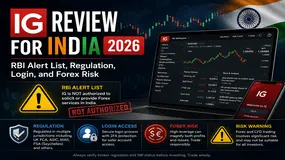
IG review for India in 2026: see the RBI Alert List entry, overseas regulation, login checks, forex limits, and a clear broker safety checklist.
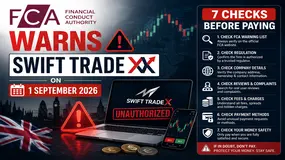
FCA warns Swift TradeX in a notice first published and updated on 1 September 2026. The UK Financial Conduct Authority says the firm may be providing or promoting financial services without permission, is not authorised, and may be targeting people in the UK. The notice names the website swifttradexai.com, a Worcester address and a UK telephone number, but also cautions that unauthorised businesses may use incorrect or borrowed contact details. The confirmed issue is authorisation status—not a court finding about every transaction. Anyone considering a payment should stop, verify the firm independently, and avoid using contact information supplied by the platform itself.
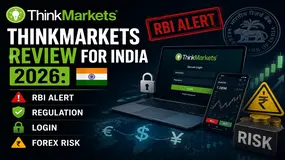
ThinkMarkets review for India: check the RBI Alert List, overseas entities, regulation, login security, forex rules, costs, withdrawals, and leverage risk.
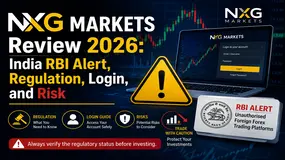
People searching NXG MARKETS regulation or regulation NXG MARKETS need to separate an overseas licence from permission in India. The Reserve Bank of India Alert List, updated 19 November 2025, names NXG Markets and nxgmarkets.com. RBI says listed entities are neither authorised to deal in forex under FEMA nor authorised to run an approved forex electronic trading platform. The broker's own site also says it does not serve residents or citizens of India. This NXG MARKETS review found an overseas Mwali licence record, but no RBI authorisation. No cited court ruling proves fraud. For an Indian user, the local warning and service restriction should control the decision.
WikiFXWikiFXWikiFXWikiFXWikiFXWikiFXWikiFXWikiFXWikiFXWikiFX