


IG Review for India 2026: RBI Alert List, Regulation, Login, and Forex Risk
IG review for India in 2026: see the RBI Alert List entry, overseas regulation, login checks, forex limits, and a clear broker safety checklist.
Original

简体中文
繁體中文
English
Pусский
日本語
ภาษาไทย
Tiếng Việt
Bahasa Indonesia
Español
हिन्दी
Filippiiniläinen
Français
Deutsch
Português
Türkçe
한국어
العربية
اردو




Abstract:The Japanese yen failed to create a miracle in 2024, continuing its four-year decline against the US dollar. Does the yen still retain its safe-haven properties? Will the interest rate differential between the US and Japan narrow?
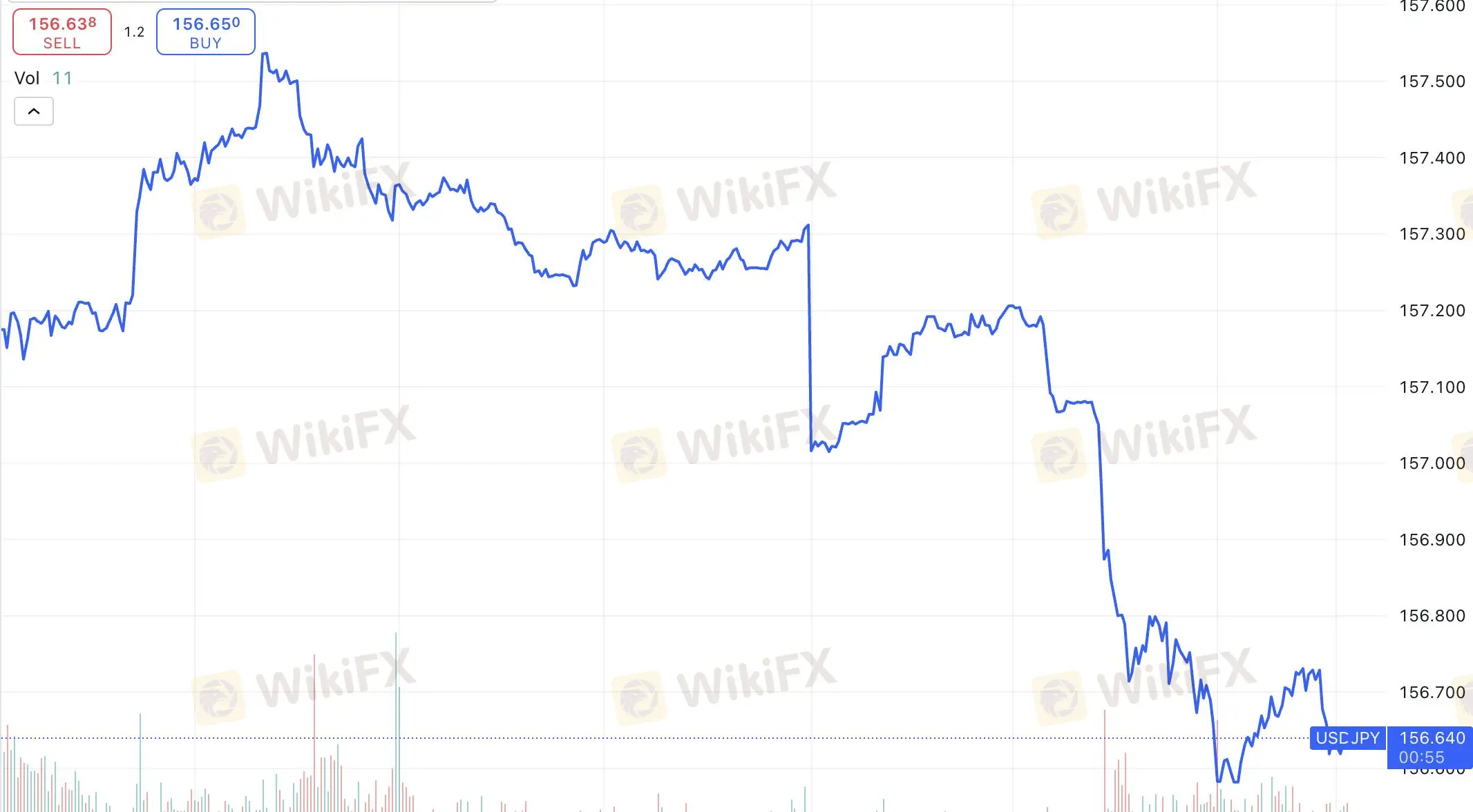
By the end of 2024, the exchange rate hovered around 156 yen to the dollar, with a 10% drop for the year, surpassing the 7% decline in 2023. Contrary to market expectations, the US-Japan interest rate gap did not narrow. Since 2023, the significant divergence between the Federal Reserve's interest rate hikes and the Bank of Japan's ongoing accommodative monetary policy has rapidly expanded this gap. This has driven a surge in “carry trades,” where investors borrow yen at low rates and invest in higher-yielding assets.
Moreover, while the Fed did cut rates in 2024, the pace of those cuts was slow, failing to effectively reduce the interest rate differential or curb the yen's depreciation. As a result, the interest rate gap between the US and Japan remains wide, pushing the yen to its historical low range of 156 yen to the dollar. The trend of speculative yen selling continues to expand, and volatility risks for the yen are expected to persist as we enter 2025.
The Yen as a Safe-Haven Currency
The yen has long been considered a “safe-haven” currency. Even in a low-interest environment, the yen can attract safe-haven capital due to Japan's stable government and large foreign exchange reserves. However, Japan's prolonged low-interest-rate environment and the Bank of Japan's monetary easing policies have diminished the yen's safe-haven appeal. The Bank's negative interest rates and large-scale quantitative easing (QE) have supported economic growth but also depressed the yens yields, reducing its attractiveness as a safe-haven asset.
Despite the large US-Japan interest rate differential, the yen still maintains a degree of safe-haven demand in times of rising global uncertainty. In the face of geopolitical crises or global financial market volatility, the yens safe-haven properties may come back into play, attracting capital inflows. For example, during periods of global market uncertainty, the yen may still draw investors due to its stable government and strong foreign exchange reserves.
Looking ahead to 2025, the yens performance will remain highly sensitive to global economic and geopolitical developments. As market uncertainty increases, the yen may regain its role as a safe-haven currency. Therefore, investors will need to closely monitor changes in the global landscape.

Disclaimer:
The views in this article only represent the author's personal views, and do not constitute investment advice on this platform. This platform does not guarantee the accuracy, completeness and timeliness of the information in the article, and will not be liable for any loss caused by the use of or reliance on the information in the article.
IG review for India in 2026: see the RBI Alert List entry, overseas regulation, login checks, forex limits, and a clear broker safety checklist.

Orbex, a Cyprus-based brokerage entity, has recorded 30 exposure complaints on WikiFX, a leading forex broker regulation inquiry tool, so far. Other review websites have also recorded a healthy number of complaints against the brokerage firm. These complaints largely talk about the alleged profit confiscations by the broker in the name of trading violations, difficulty in accessing fund withdrawals, capital losses due to artificial slippage, etc. In this Orbex review, we have investigated user complaints and provided a regulatory overview of the broker.
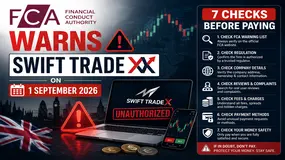
FCA warns Swift TradeX in a notice first published and updated on 1 September 2026. The UK Financial Conduct Authority says the firm may be providing or promoting financial services without permission, is not authorised, and may be targeting people in the UK. The notice names the website swifttradexai.com, a Worcester address and a UK telephone number, but also cautions that unauthorised businesses may use incorrect or borrowed contact details. The confirmed issue is authorisation status—not a court finding about every transaction. Anyone considering a payment should stop, verify the firm independently, and avoid using contact information supplied by the platform itself.
ThinkMarkets review for India: check the RBI Alert List, overseas entities, regulation, login security, forex rules, costs, withdrawals, and leverage risk.
WikiFXWikiFXWikiFXWikiFXWikiFXWikiFXWikiFXWikiFXWikiFXWikiFX