


IG Review for India 2026: RBI Alert List, Regulation, Login, and Forex Risk
IG review for India in 2026: see the RBI Alert List entry, overseas regulation, login checks, forex limits, and a clear broker safety checklist.
Original

简体中文
繁體中文
English
Pусский
日本語
ภาษาไทย
Tiếng Việt
Bahasa Indonesia
Español
हिन्दी
Filippiiniläinen
Français
Deutsch
Português
Türkçe
한국어
العربية
اردو




Abstract:PI Network cryptocurrency hits $2.70-$2.90, but Pi crypto scams rise. Learn to spot fake Pi tokens and protect your funds.
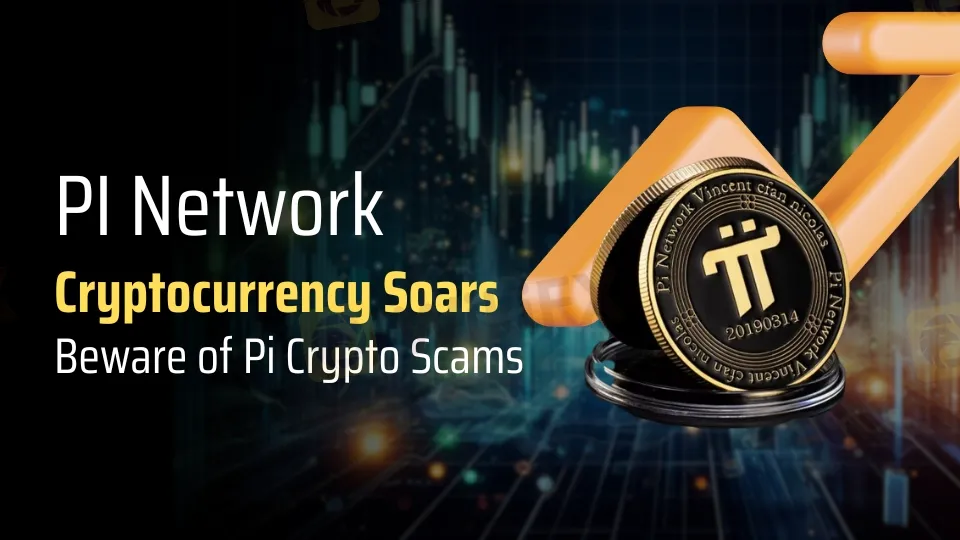
On February 20, the Pi Network cryptocurrency (Pi) was formally launched on numerous international crypto exchanges, eliciting a surge of enthusiasm from its devoted mining community. As of February 27, CoinMarketCap sees Pi trading between $2.70 and $2.90 per token, with a market value of roughly $275 billion. It's no surprise that the Pi Network cryptocurrency has everyone buzzing—and dreaming big.
This spectacular gain has enticed eager investors, with many picking up Pi coins with hopes of even greater climbs ahead. However, with big expectations comes enormous danger. Scammers have pounced, inundating uncontrolled marketplaces with phony Pi tokens that resemble the genuine thing. These counterfeit coins have previously duped naive consumers, siphoning off their money during the boom.
Fake Pi Tokens Flood the Market
The danger is quickly expanding. Bogus Pi coins have appeared on sites that were never mentioned in Pi Network's official debut announcement. Decentralized exchanges (DEXs), in particular, are breeding grounds for these forgeries, with several bogus Pi tokens floating around—none of which are linked to the genuine Pi Network team. And it gets uglier: bogus mobile applications masquerading as legitimate Pi Network mining or trade tools lure users into installing malware or providing personal information. The fraud net is vast and catches many.
Experts Warn of Increased Pi Crypto Scams
Experts are warning of an increase in Pi cryptocurrency frauds. According to Tran Xuan Tien, General Secretary of the Ho Chi Minh City Blockchain Association (HBA), Pi Network's large, close-knit user base makes it a scammer's paradise. “Fake Pi-related projects often lure users into depositing funds, exposing them to financial risks,” the expert advises. Without the approval of Pi Network's creators, investors risk trading counterfeit tokens and losing money.

Tien also mentions a sneaky technique: malicious programs disguised as Pi Network software, ready to steal data or commandeer devices. The official Pi Network team isn't sitting still—they've issued a clear warning that all Pi trade pairs on DEXs are forgeries. What are their suggestions? For the time being, avoid those marketplaces, otherwise you risk purchasing worthless knockoffs and losing your money.
How to Avoid Pi Crypto Scams
So, how do you keep safe within the Pi craze? According to a representative from a Vietnamese blockchain company, phony cryptocurrencies aren't only a Pi problem; freshly launched coins are frequently targeted by the same scammers. Investors in Vietnam have previously lost millions of dong (equivalent to thousands of US dollars) due to counterfeit cryptocurrency assets. It's difficult to spot a fake Pi token, so some traders start with tiny test buys to ensure authenticity before going all in.
The experts' advice is simple: use the brakes. Before investing in any new cryptocurrency, such as Pi, research its credibility. Verify authentic listings, stay on controlled exchanges, and only download programs from Pi Network's trusted sources. Be wary of too-good-to-be-true promises; fraudsters like dangling large sums as bait. Staying on top of Pi Network's official fraud warnings might also help you stay ahead.
Vietnam's cryptocurrency scene remains uncontrolled, and the State Bank of Vietnam is open about it. They have consistently cautioned that cryptocurrencies such as Bitcoin and Pi carry significant risks—and there is no legal safety net under Vietnamese law. With scammers on the rise and no regulations to fall back on, doing your study before investing is an absolute must. The $2.70-$2.90 pricing and $275 billion market capitalization may scream potential, but Pi cryptocurrency frauds cast a dark shadow. Whether it's bogus tokens on DEXs or rogue applications chasing your info, the concerns are real. Pi's climb is exciting, but being smart and careful throughout this crazy crypto ride is just as important as chasing the prize.

Disclaimer:
The views in this article only represent the author's personal views, and do not constitute investment advice on this platform. This platform does not guarantee the accuracy, completeness and timeliness of the information in the article, and will not be liable for any loss caused by the use of or reliance on the information in the article.
IG review for India in 2026: see the RBI Alert List entry, overseas regulation, login checks, forex limits, and a clear broker safety checklist.

Orbex, a Cyprus-based brokerage entity, has recorded 30 exposure complaints on WikiFX, a leading forex broker regulation inquiry tool, so far. Other review websites have also recorded a healthy number of complaints against the brokerage firm. These complaints largely talk about the alleged profit confiscations by the broker in the name of trading violations, difficulty in accessing fund withdrawals, capital losses due to artificial slippage, etc. In this Orbex review, we have investigated user complaints and provided a regulatory overview of the broker.
FCA warns Swift TradeX in a notice first published and updated on 1 September 2026. The UK Financial Conduct Authority says the firm may be providing or promoting financial services without permission, is not authorised, and may be targeting people in the UK. The notice names the website swifttradexai.com, a Worcester address and a UK telephone number, but also cautions that unauthorised businesses may use incorrect or borrowed contact details. The confirmed issue is authorisation status—not a court finding about every transaction. Anyone considering a payment should stop, verify the firm independently, and avoid using contact information supplied by the platform itself.
ThinkMarkets review for India: check the RBI Alert List, overseas entities, regulation, login security, forex rules, costs, withdrawals, and leverage risk.
WikiFXWikiFXWikiFXWikiFXWikiFXWikiFXWikiFXWikiFXWikiFXWikiFX