


India Q1 FY27 GDP Growth Hits 7.8%: 3 Scenarios for INR and Gold
India's Q1 FY27 GDP grew 7.8%, beating a 7.4% poll and RBI's 7.0% projection. See three conditional scenarios for INR, rates and gold.
Original

简体中文
繁體中文
English
Pусский
日本語
ภาษาไทย
Tiếng Việt
Bahasa Indonesia
Español
हिन्दी
Filippiiniläinen
Français
Deutsch
Português
Türkçe
한국어
العربية
اردو




Abstract:Beware of smishing scams! FBI alerts on fake parking and toll texts stealing personal info. Learn how to protect yourself from these phishing attacks.
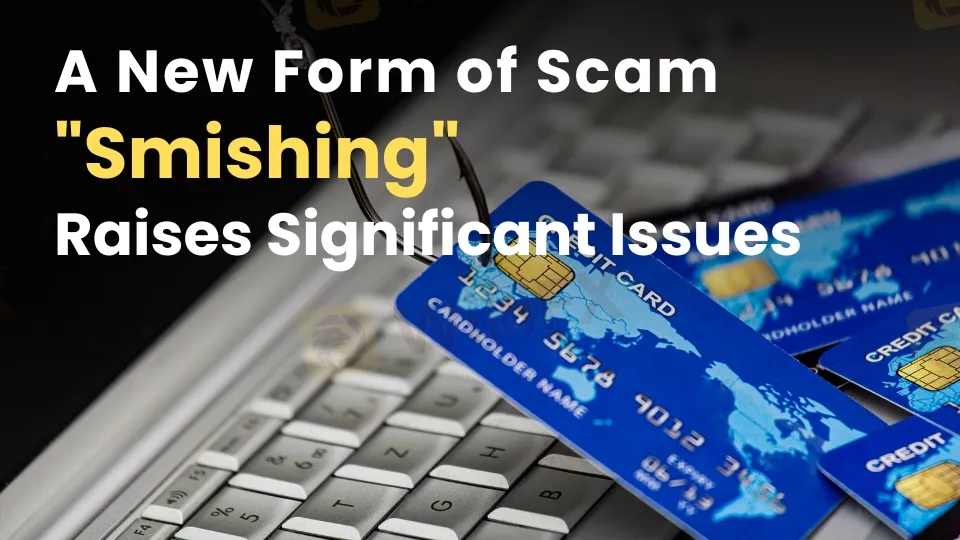
Across the United States, a wave of smishing scams—phishing attacks delivered via text messages—has swept through cities, leaving residents wary of their phones. The term “smishing” blends “SMS” and “phishing,” reflecting how cybercriminals use deceptive texts to lure victims into revealing personal and financial details. What began as a niche scam has exploded into a nationwide issue, prompting warnings from the FBI and local governments. With over 10,000 fraudulent websites fueling these schemes, both iPhone and Android users are in the crosshairs.
The latest smishing campaign mimics official notices from parking violation departments. Cities like Annapolis, Boston, Charlotte, Denver, Detroit, Greenwich, Houston, Milwaukee, Salt Lake City, San Diego, and San Francisco have issued alerts about texts claiming recipients owe fines for unpaid parking tickets. One message reads, “This is a final reminder from the City of New York regarding the unpaid parking invoice. A $35 daily overdue fee will be charged if payment is not made today.” These texts urge users to click links leading to fake payment sites designed to harvest sensitive data.
Cybersecurity outlet BleepingComputer reports this scam, active since December, continues to evolve. The FBI has flagged a related trend where smishing texts impersonate road toll collection services. “Since early March 2024, the FBI Internet Crime Complaint Center (IC3) has received over 2,000 complaints reporting smishing texts representing road toll collection services from at least three states,” the agency noted, suggesting the scam is spreading state by state.

Palo Alto Networks‘ Unit 42, a leader in threat intelligence, recently revealed that smishing scams are growing more sophisticated. Originally focused on fake toll payment demands, the schemes now include fraudulent delivery alerts, tricking users into clicking malicious links. These attacks often steal credit card numbers, bank account details, and other personal information. Unit 42’s research ties the scams toolkit to Chinese hacking groups, with many domains registered under the Chinese.XIN top-level domain (TLD). Local cybercriminals appear to be adapting this toolkit to target="_blank" kwlink="6384064000816950219725">target U.S. residents.
The human toll of smishing is real. Imagine receiving a text claiming you owe money, complete with a looming daily fine. Panic sets in—most people don‘t want trouble with the law. That’s what scammers bank on: a split-second decision to click before thinking. Its not just tech-savvy folks getting hit; these scams prey on anyone with a phone, exploiting trust in official-sounding messages.
So, how do you shield yourself from smishing scams? Here are six practical steps:
Smishing scams are more than a nuisance—they‘re a growing threat. The FBI and cybersecurity experts agree: that these attacks are getting smarter, leveraging fear and urgency to exploit everyday people. Whether it’s a fake parking fine or a toll scam, the goal is the same: steal your money and identity. Staying cautious, keeping your tech updated, and knowing how to spot fraud can keep you one step ahead. In a world where a simple text can cost you, vigilance is your best weapon.

Disclaimer:
The views in this article only represent the author's personal views, and do not constitute investment advice on this platform. This platform does not guarantee the accuracy, completeness and timeliness of the information in the article, and will not be liable for any loss caused by the use of or reliance on the information in the article.

India's Q1 FY27 GDP grew 7.8%, beating a 7.4% poll and RBI's 7.0% projection. See three conditional scenarios for INR, rates and gold.

Neomarkets, a Kazakhstan-based brokerage firm, is facing some allegations of fund scams and unfair charges. These charges were reportedly on both deposits and withdrawals. As negative Neomarkets reviews became prominent on broker evaluation platforms, it was important to inspect these allegations and understand its regulatory scope. We have covered these in this article.
OnFin, a Comoros-based multi-asset brokerage firm, impresses users with its wide range of products and trading platforms. However, user reviews largely reflect negative sentiments for the broker. Withdrawal issues have allegedly become the talking point among users on broker review platforms such as WikiFX. Among the complaints, one user even highlighted a fund scam totaling over $45,000. Additionally, the alleged failure of the broker in providing trade logs added to negative OnFin reviews. While examining the reviews, we have provided a regulatory overview of the broker.

Most traders who have opened accounts with Succedo Markets, a Saint Lucia-based brokerage entity, have reported withdrawal request denials after a pleasant first experience. Traders globally, including those from India, have made these complaints. Meanwhile, some traders have reportedly taken legal recourse to recover their stuck funds. The critical nature of these complaints made us share this in-depth Succedo Markets review. This review does not only examine user allegations but also shed light on its regulatory framework.
WikiFXWikiFXWikiFXWikiFXWikiFXWikiFXWikiFXWikiFXWikiFXWikiFX