Abstract:Federal Reserve officials have adjusted their rate cut expectations, now anticipating only one rate cut this year instead of the previously expected two.
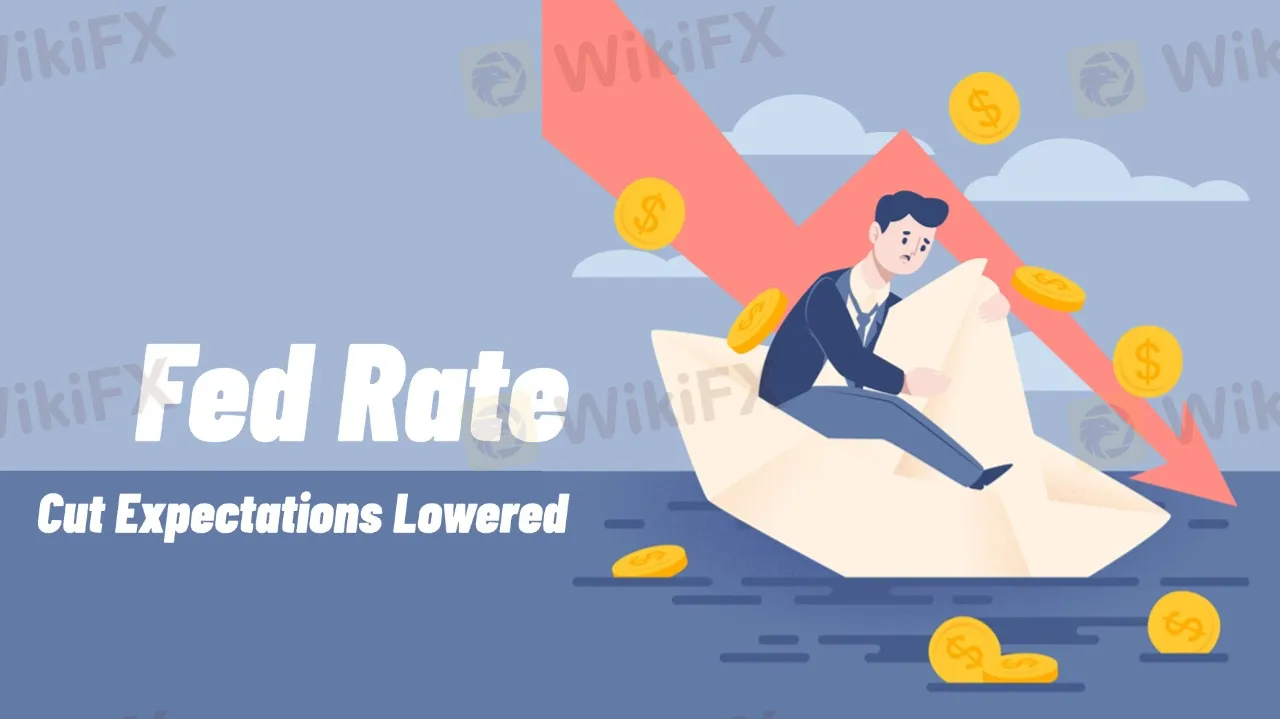
Persistent inflationary pressures have led to a more cautious policy stance, drawing market attention to its potential impact.
Recently, Federal Reserve officials have signaled a more conservative approach, emphasizing the uncertainty surrounding the disinflation process. Atlanta Fed President Raphael Bostic stated that, considering inflation volatility, he has revised his rate cut forecast from two to one this year.
He pointed out that maintaining stability is preferable to making premature cuts and then having to reverse course, reducing the risk of policy missteps. Additionally, he now expects inflation to return to the 2% target="_blank" kwlink="6384064000816950219725">target by early 2027, later than previously projected.
The slower-than-expected decline in inflation has made the Fed more cautious in adjusting its policies. Bostic believes that inflation remains at risk of rising, particularly due to external factors that could push prices higher.
Furthermore, the U.S. economic growth rate is expected to slow, leading Bostic to lower his GDP growth forecast for this year to 1.8%, down from the previous 2.1%. The unemployment rate is projected to be between 4.2% and 4.3%, an increase but still within a relatively stable range. Given this economic backdrop, the Fed is taking a more restrained approach to rate cuts to prevent premature policy easing from undermining its inflation control efforts.
How Will the Market React?
The adjustment in rate cut expectations poses challenges to market sentiment, prompting investors to reassess the impact of the interest rate environment on asset prices. While the market had anticipated a more accommodative Fed policy, it must now contend with the possibility of higher interest rates persisting for an extended period.
Moving forward, market trends will depend on inflation data and further signals from the Federal Reserve. Investors should closely monitor economic indicators and adjust their strategies accordingly to navigate potential market fluctuations.