


IG Review for India 2026: RBI Alert List, Regulation, Login, and Forex Risk
IG review for India in 2026: see the RBI Alert List entry, overseas regulation, login checks, forex limits, and a clear broker safety checklist.
Original

简体中文
繁體中文
English
Pусский
日本語
ภาษาไทย
Tiếng Việt
Bahasa Indonesia
Español
हिन्दी
Filippiiniläinen
Français
Deutsch
Português
Türkçe
한국어
العربية
اردو




Abstract:Online scams in the Philippines are escalating, with text and call-based fraud targeting millions. Learn about the impact and how to protect yourself from cybercrimes.
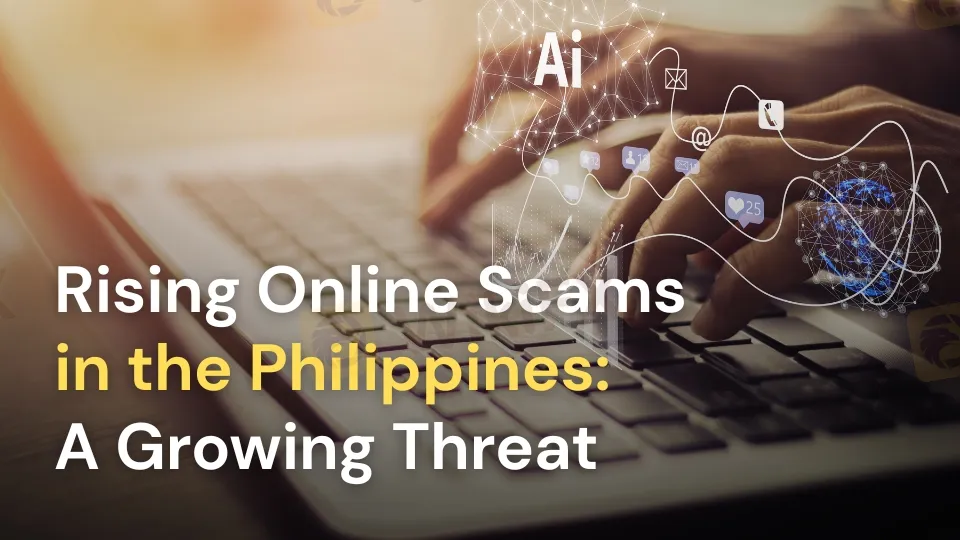
The growth of digital tools has made life easier but also brings a hidden danger: online scams. In the Philippines, these scams are becoming a big problem as cybercriminals use clever tricks to steal money and personal information, causing financial loss and emotional pain for many people.
A 2024 Kaspersky report says the Philippines ranks third worldwide for web-based threats, with 42.3 percent of internet users affected by these attacks. This shows how serious the issue is, as scams keep growing with the rise of new technology.
Common Scam Methods
Scammers in the Philippines use many ways to trick people, from simple text messages to complex online fraud. Factors like poverty, widespread smartphone use, and low digital knowledge make the country an easy target="_blank" kwlink="6384064000816950219725">target for these crimes.
Even with warnings from the government and companies, scams keep increasing. Scammers are quick to learn new technology and find fresh ways to fool people. One popular scam is text-based fraud, like fake job offers, prize notifications, or messages pretending to be from family members asking for cash. These texts are designed to make people act fast without thinking.

Rising Scam Numbers
According to the Philippine News Agency, scam messages and calls are growing every quarter. Over 6 million scam texts and more than 600,000 scam calls have been reported, and the numbers are still rising despite efforts to stop them. Scammers are very adaptable, always changing their methods to avoid getting caught.
In the past, scammers sent out tons of text messages to random phone numbers. Now, they prefer making phone calls with a more personal touch. These calls often pretend to be from banks or government offices, using fear or authority to trick people into sharing private details like bank account information.
AI-Powered Scams
Scammers are now using artificial intelligence (AI) to make their tricks even better. AI tools help them change their voices to sound more real, making it harder for people to spot the fraud. The Cybercrime Investigation and Coordinating Center reports a 74 percent jump in scam calls in early 2025, with cases rising from 108,157 in Q1 2024 to 351,699.
The most common scam calls involve fake loans (55 percent), VIP rewards (24 percent), debt collection tricks (10 percent), transaction checks (5 percent), job offers (3 percent), and delivery scams (3 percent).
This shift to phone calls shows scammers are focusing on targeted attacks. They use social engineering, pretend to be someone else, and gather personal details from social media. Tools like ChatGPT help them create convincing stories, making their scams more dangerous.
The Need for Action
The fast rise of cybercrimes in the Philippines shows why people need to be more aware and take steps to stay safe. While the government and businesses are working to fight scams, the ever-changing tricks mean people are still at risk. Filipinos must learn how to protect themselves from becoming the next victim of these smart online frauds.

Disclaimer:
The views in this article only represent the author's personal views, and do not constitute investment advice on this platform. This platform does not guarantee the accuracy, completeness and timeliness of the information in the article, and will not be liable for any loss caused by the use of or reliance on the information in the article.

IG review for India in 2026: see the RBI Alert List entry, overseas regulation, login checks, forex limits, and a clear broker safety checklist.

Orbex, a Cyprus-based brokerage entity, has recorded 30 exposure complaints on WikiFX, a leading forex broker regulation inquiry tool, so far. Other review websites have also recorded a healthy number of complaints against the brokerage firm. These complaints largely talk about the alleged profit confiscations by the broker in the name of trading violations, difficulty in accessing fund withdrawals, capital losses due to artificial slippage, etc. In this Orbex review, we have investigated user complaints and provided a regulatory overview of the broker.
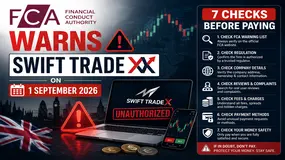
FCA warns Swift TradeX in a notice first published and updated on 1 September 2026. The UK Financial Conduct Authority says the firm may be providing or promoting financial services without permission, is not authorised, and may be targeting people in the UK. The notice names the website swifttradexai.com, a Worcester address and a UK telephone number, but also cautions that unauthorised businesses may use incorrect or borrowed contact details. The confirmed issue is authorisation status—not a court finding about every transaction. Anyone considering a payment should stop, verify the firm independently, and avoid using contact information supplied by the platform itself.
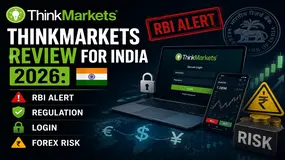
ThinkMarkets review for India: check the RBI Alert List, overseas entities, regulation, login security, forex rules, costs, withdrawals, and leverage risk.
WikiFXWikiFXWikiFXWikiFXWikiFXWikiFXWikiFXWikiFXWikiFXWikiFX