


IG Review for India 2026: RBI Alert List, Regulation, Login, and Forex Risk
IG review for India in 2026: see the RBI Alert List entry, overseas regulation, login checks, forex limits, and a clear broker safety checklist.
Original

简体中文
繁體中文
English
Pусский
日本語
ภาษาไทย
Tiếng Việt
Bahasa Indonesia
Español
हिन्दी
Filippiiniläinen
Français
Deutsch
Português
Türkçe
한국어
العربية
اردو




Abstract:Meta warns users about rising financial scams online. Learn how to protect yourself from investment fraud and avoid losing money to scammers.
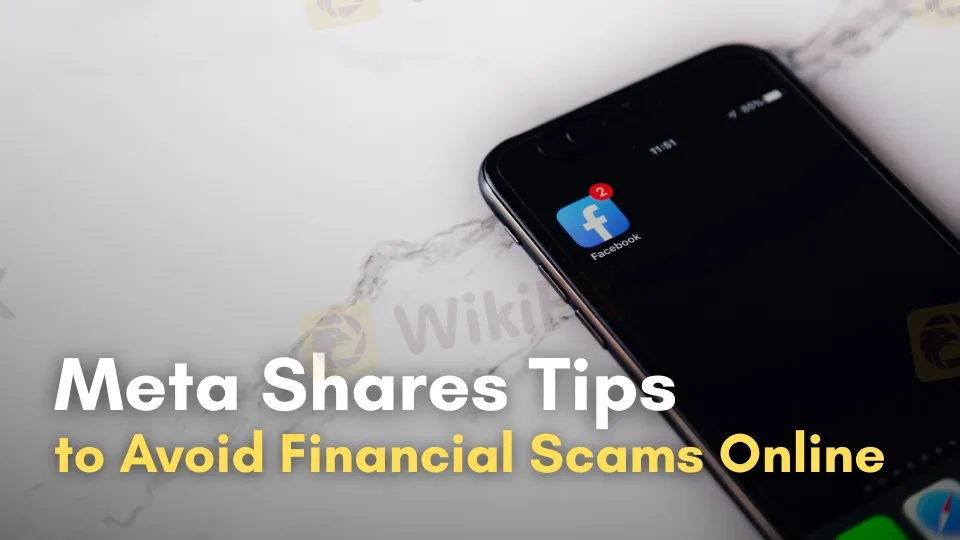
In today‘s rapidly shifting digital landscape, scammers are growing craftier, leveraging trending events and modern platforms to trick unaware individuals. With the global economy in flux and digital payment options multiplying, it’s critical for people to spot the red flags of investment and payment fraud. This article dives into the latest scam trends, offers practical ways to shield yourself, and highlights efforts by regulators and tech giants to keep users safe.
The Surge of Investment and Payment Fraud
Investment and payment scams rank among the top online threats, impacting countless people globally each year. These schemes prey on dreams of fast wealth or the anxiety of missing out on “once-in-a-lifetime” deals. Fraudsters reach out through emails, social networks, chat apps, or even phone calls, pitching high-yield investments with minimal risk. Often, these cons revolve around fabricated opportunities in areas like crypto, property, stocks, precious metals, or online betting.
Investment Scams to Stay Alert
Cryptocurrency scams are among the most widespread today. Posing as “wealth mentors” or crypto gurus, scammers promise huge profits through platforms like Luno, Valr, or Yellow Card. They flood social media—think Facebook, TikTok, or Instagram—with doctored videos and fake success tales to reel in victims.
A major red flag is when someone pressures you to transfer money or share personal details for exclusive trading tips or investment plans. Some even pose as recovery experts, claiming they can retrieve funds lost in earlier crypto scams.
In order to avoid these scams, Meta has provided three key tips on financial scams specifically:

Another growing hustle is fake “investment coaching” programs. Scammers charge for worthless or untested strategies, dangling the promise of big returns with no risk—a classic hallmark of fraud.
Protecting Yourself from Payment Scams
Payment scams are equally rampant, often exploiting digital payment apps or social media marketplaces. One common tactic is the advance payment con, where fraudsters pose as sellers on platforms like Facebook Marketplace. They pocket the buyers upfront payment and vanish, leaving no product behind.
Then theres the overpayment scam: a buyer “accidentally” overpays for an item, asks for a partial refund, and later reverses their original payment. The seller ends up empty-handed, losing both the item and the money.
With platforms like Venmo, PayPal, and crypto transfers enabling instant transactions, scammers push for quick payments. Always verify suspicious requests and avoid sending money to strangers or unverified contacts.
How Tech Firms and Regulators Are Fighting Back
Tech companies, regulators, and law enforcement are joining forces to tackle these rising threats. Platforms like Facebook, Instagram, and WhatsApp have rolled out anti-fraud features, such as payment alerts, identity checks, and privacy controls to block shady contacts.
Messenger, for instance, uses cutting-edge tech like facial recognition to spot scam activity and confirm user identities, preventing account takeovers.

Working with groups like Graphika, tech firms have disrupted countless scam networks. In 2024, they shut down over seven million fraudulent accounts, many tied to scam hubs in places like Myanmar, Laos, and the Philippines, where syndicates orchestrate global cons.
The FBIs Level Up initiative also partners with tech companies to warn potential victims and halt scams in their tracks, particularly those targeting Americans, saving many from financial ruin.
Industry Collaboration and Public Awareness
Organizations are stepping up to educate people about scam risks and financial protection. The Tech Against Scams Coalition (TASC) creates resources to help users spot fraud, from dodgy investment pitches to unsafe transactions, accessible across multiple platforms.
In regions like the UK, Hong Kong, and India, tech companies and local governments promote tools like two-factor authentication (2FA) and run campaigns to highlight scam dangers, empowering users to stay secure online.
Conclusion: Stay Sharp to Protect Your Finances
As the digital world advances, scammers keep finding new ways to exploit trust. From fake investment schemes to payment tricks, staying informed is your best defense.
Tech firms, regulators, and coalitions are making strides to curb fraud, but your own caution is key. Learn to recognize scam warning signs, use protective tools, and secure your transactions to lower your risk.
If a deal seems too perfect, its likely a trap. Always pause to verify any investment or payment request before acting. By staying alert and educated, you can safeguard your financial future against the ever-evolving threat of online fraud.

Disclaimer:
The views in this article only represent the author's personal views, and do not constitute investment advice on this platform. This platform does not guarantee the accuracy, completeness and timeliness of the information in the article, and will not be liable for any loss caused by the use of or reliance on the information in the article.
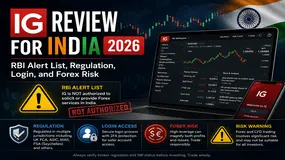
IG review for India in 2026: see the RBI Alert List entry, overseas regulation, login checks, forex limits, and a clear broker safety checklist.
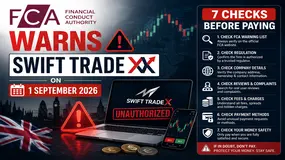
FCA warns Swift TradeX in a notice first published and updated on 1 September 2026. The UK Financial Conduct Authority says the firm may be providing or promoting financial services without permission, is not authorised, and may be targeting people in the UK. The notice names the website swifttradexai.com, a Worcester address and a UK telephone number, but also cautions that unauthorised businesses may use incorrect or borrowed contact details. The confirmed issue is authorisation status—not a court finding about every transaction. Anyone considering a payment should stop, verify the firm independently, and avoid using contact information supplied by the platform itself.
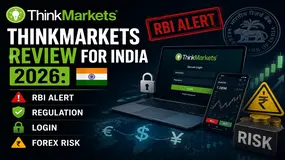
ThinkMarkets review for India: check the RBI Alert List, overseas entities, regulation, login security, forex rules, costs, withdrawals, and leverage risk.

India's Q1 FY27 GDP grew 7.8%, beating a 7.4% poll and RBI's 7.0% projection. See three conditional scenarios for INR, rates and gold.
WikiFXWikiFXWikiFXWikiFXWikiFXWikiFXWikiFXWikiFXWikiFXWikiFX