Abstract:FCA has issued alerts on 13 unauthorised or cloned trading websites targeting UK investors. Learn how to recognize and avoid forex and crypto scams with insights from WikiFX.
 Contents
Introduction: A Fresh Wave of Investment Scams
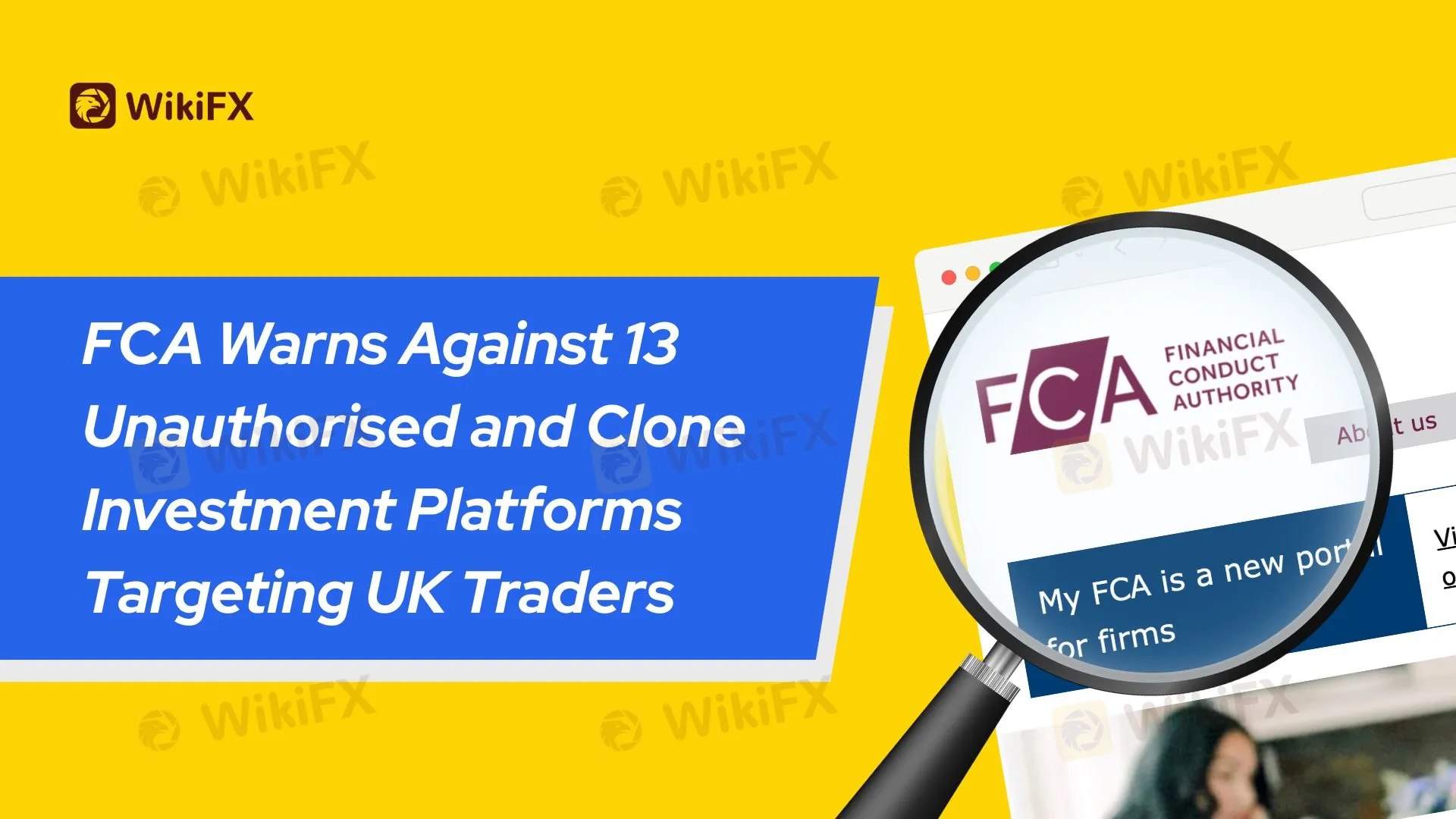
The UKs Financial Conduct Authority (FCA) has once again sounded the alarm on a series of fraudulent investment platforms—many of which are posing as legitimate firms or using AI-themed branding to lure unsuspecting traders. This latest warning includes 13 entities, some of which are clone firms impersonating FCA-authorised institutions, while others are operating without any authorisation.
With scams evolving rapidly, traders must stay alert and verify every platform they interact with. Heres a breakdown of the suspicious firms recently flagged by the FCA, and why these alerts matter.
Clone Warning: htbsavings.co Federation
Among the flagged entities, htbsavings.co Federation stands out as a clone of Hampshire Trust Bank Plc, a legitimate UK-regulated bank. Clone firms are especially dangerous—they copy official details like addresses, logos, or registration numbers to appear credible. Victims are often tricked into believing theyre dealing with a legitimate financial institution.
Unauthorised Firms Targeting UK Investors
Below are the other 12 platforms included in the FCAs alert, many of which use AI, crypto, or fintech branding to build false credibility.
Some of these platforms are promoted via mobile apps or social media, adding layers of deception and increasing visibility among retail traders—especially those new to the forex or crypto space.
Why These Scam Alerts Matter
Engaging with unauthorised firms leaves traders completely exposed. If something goes wrong:
- You won‘t be protected by the UK’s Financial Services Compensation Scheme (FSCS).
- You cant file complaints with the Financial Ombudsman Service.
- Your personal data and funds are at high risk of being stolen or misused.
Clone brokers further complicate the issue by mixing real and fake data, making it harder for even seasoned traders to detect fraud.
Stay Protected: How to Avoid Forex & Crypto Scams
- Always verify the firms regulatory status on platforms like WikiFX.
- Avoid firms that contact you via social media, unsolicited emails, or WhatsApp.
- Check the domain carefully—scammers often use nearly identical URLs.
- Watch for pressure tactics like “limited-time offers” or guaranteed returns.
- Use platforms with verified licenses and long-term user reviews.
For regular scam updates, visit Forex Scam Alerts on WikiFX.
The Rise of AI-Branded Scam Platforms
Many of the unauthorised sites flagged in this update reference AI-powered trading tools or automated strategies—names like TradeGPT, Power Trades, or CryptohopperApp are clearly trying to ride the AI hype wave. Unfortunately, this trend often hides complex fraud operations.
The promise of effortless returns from AI trading bots is compelling—but in unregulated hands, these are nothing more than marketing traps.
Final Thoughts
The FCA‘s recent warnings underline a critical point: regulatory verification is not optional—it’s essential. With clone firms and unauthorised platforms growing increasingly sophisticated, even seasoned traders must remain vigilant.
At WikiFX, we continue to monitor and report on high-risk brokers and suspicious trading platforms, empowering traders to make informed decisions and stay safe.
FAQ
Q: What is a clone broker?
A: A clone broker is a fraudulent platform that impersonates a legitimate, FCA-authorised firm to trick users.
Q: How can I check if a broker is authorised?
A: You can use WikiFXs broker search tool to verify licensing, regulatory status, and user reviews.
Q: What should I do if I sent money to a suspicious firm?
A: Report it immediately to your bank and contact the relevant authorities. You may also be eligible for support under the UKs Payment Systems Regulator protections.