


IG Review for India 2026: RBI Alert List, Regulation, Login, and Forex Risk
IG review for India in 2026: see the RBI Alert List entry, overseas regulation, login checks, forex limits, and a clear broker safety checklist.
Original

简体中文
繁體中文
English
Pусский
日本語
ภาษาไทย
Tiếng Việt
Bahasa Indonesia
Español
हिन्दी
Filippiiniläinen
Français
Deutsch
Português
Türkçe
한국어
العربية
اردو




Abstract:Understand forex broker fees and trading costs in detail. Explore fee comparisons, learn to reduce expenses, and maximize your profitability with practical forex trading tips.
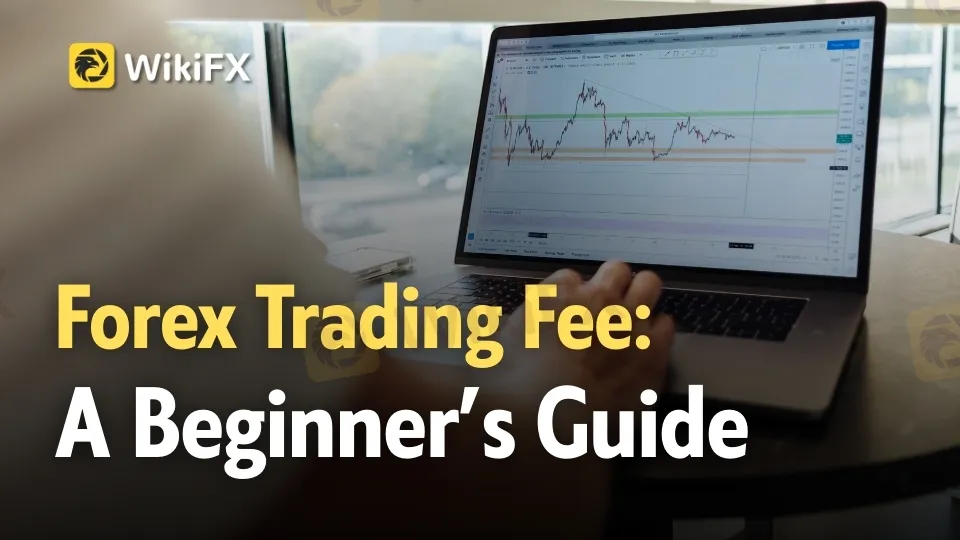
Forex trading offers exciting opportunities for investors to profit from currency price movements globally. However, understanding the costs associated with forex trading is crucial for maximizing profitability. The term “forex trading fee” encompasses several types of fees and charges that traders incur when buying and selling currencies. These fees directly impact your trading profits and should be carefully considered when choosing a broker and executing trades.
This comprehensive guide explains the various forex trading fees, compares popular brokers fee structures, and offers practical tips to help you minimize costs and maximize your returns. Whether you're a beginner starting your forex journey or an experienced trader looking to optimize expenses, this article covers everything essential about forex trading fees.
 Contents
A forex trading fee refers to the amount charged by brokers and financial institutions for facilitating currency trades. These fees compensate brokers for providing access to the forex market, maintaining trading platforms, and offering services such as execution, data feeds, and account management.
Unlike traditional stock trading fees, forex trading fees are typically embedded in the bid-ask spread or charged as explicit commissions. Additionally, traders may encounter overnight financing costs and account-related fees. Understanding all these fee types helps traders keep costs manageable and avoid surprises.
1. Spreads
The spread is the most common forex trading fee and represents the difference between a currency pairs buy (ask) price and sell (bid) price. For example, if the EUR/USD bid price is 1.2000 and the ask price is 1.2005, the spread is 0.0005 or 5 pips.
Brokers make money from this difference. The tighter (smaller) the spread, the lower your transaction cost. However, spreads can vary based on market liquidity, volatility, and broker type.
Spreads are particularly important for day traders and scalpers who execute many trades and rely on tight spreads to maintain profitability.
2. Commissions
Some brokers charge commissions instead of or in addition to spreads. This is a fixed or percentage-based fee per trade, often charged per standard lot traded.
Commission-based models typically offer tighter spreads, which can reduce total trading costs for high-frequency traders. However, commissions can add up quickly, so it's important to factor them into your strategy.
3. Overnight Financing Fees (Swap Fees)
When you hold a position overnight, brokers charge or credit an overnight financing fee, also known as a swap fee. This fee reflects the interest rate differential between the two currencies traded.
Overnight fees compound if positions are held open long-term, so it is vital for swing and positional traders to monitor these costs.
4. Account-Related Fees
Besides trading costs, there can be other fees associated with your trading account, such as:
Forex trading fees reduce the net gains from your trades. Even seemingly small costs, like a few pips in the spread, can significantly impact overall profitability, especially in high-frequency trading or with tight profit targets. For example:
Holding positions overnight with swap fees will further reduce profits or increase losses if the fee is negative.
Therefore, understanding and managing these fees is critical to successful forex trading.
Forex brokers differ widely in how they charge fees, and choosing the right broker involves comparing their fee structures, services, and reputation. Below is an overview of typical fee structures among popular brokers:
| FP Markets | Fixed/Variable | From 0.0 pips raw | $6 per round trip (Pro account) | Yes | No inactivity fee | Tight spreads, multiple account types |
| IC Markets | Variable | From 0.0 pips raw | $6–$7 per round trip | Yes | No inactivity fee | ECN broker, popular with active traders |
| Pepperstone | Variable | From 0.0 pips (Razor) | $7 per round trip | Yes | No inactivity fee | Razor accounts offer lowest spreads + commissions |
| AvaTrade | Fixed/Variable | From 0.9 pips | $0 | Yes | $10 monthly inactivity fee after 2 months | One of the few with swap-free accounts for Islamic traders |
| ActivTrades | Variable | From 0.5 pips | $0 | Yes | No inactivity fee | No deposit minimum, good for beginners |
| Interactive Brokers | Variable | From 0.1 pip | From $0.08 per 1k USD lot | Yes | One free withdrawal monthly | Best for advanced traders seeking low commission |
This table highlights that brokers offering zero commissions often charge wider spreads, while those with tight spreads typically impose commissions. Overnight fees vary but are standard in most brokers. Also, inactivity and withdrawal fees can add costs if the account is inactive or frequently funded/withdrawn.
1. Choose the Right Broker
2. Trade Major Currency Pairs
Major pairs like EUR/USD, GBP/USD, and USD/JPY tend to have tighter spreads and higher liquidity, which reduces your spread cost.
3. Optimize Trading Time
Trade during the most liquid market hours (London and New York sessions), when spreads are narrower.
4. Monitor Overnight Fees
Avoid holding positions overnight if swap costs are high or use swap-free accounts if available and compatible with your trading style.
5. Use Limit Orders
Market orders execute immediately at the worst available price, potentially increasing slippage and spread costs. Limit orders allow you to specify the price to control costs better.
6. Manage Trading Frequency
Avoid overtrading. Frequent trades with commissions and spread costs can erode profits.
7. Review Account Activity
Avoid inactivity fees by maintaining minimal trading activity within your brokers required period.
In summary, the forex trading fee you pay—comprising spreads, commissions, overnight fees, and account-related charges—directly impacts your trading profitability. Choosing a broker with favorable fees aligned to your trading style, trading major pairs during liquid times, and using cost-saving strategies can help optimize your forex trading journey.
Whether you are new or seasoned, always factor in all fees before initiating trades and regularly review your trading costs to adjust your strategies accordingly. Understanding forex trading fees is not just about reducing expenses; its about managing your trading business effectively to achieve consistent success.

Disclaimer:
The views in this article only represent the author's personal views, and do not constitute investment advice on this platform. This platform does not guarantee the accuracy, completeness and timeliness of the information in the article, and will not be liable for any loss caused by the use of or reliance on the information in the article.
IG review for India in 2026: see the RBI Alert List entry, overseas regulation, login checks, forex limits, and a clear broker safety checklist.

Orbex, a Cyprus-based brokerage entity, has recorded 30 exposure complaints on WikiFX, a leading forex broker regulation inquiry tool, so far. Other review websites have also recorded a healthy number of complaints against the brokerage firm. These complaints largely talk about the alleged profit confiscations by the broker in the name of trading violations, difficulty in accessing fund withdrawals, capital losses due to artificial slippage, etc. In this Orbex review, we have investigated user complaints and provided a regulatory overview of the broker.
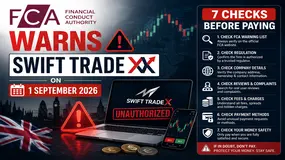
FCA warns Swift TradeX in a notice first published and updated on 1 September 2026. The UK Financial Conduct Authority says the firm may be providing or promoting financial services without permission, is not authorised, and may be targeting people in the UK. The notice names the website swifttradexai.com, a Worcester address and a UK telephone number, but also cautions that unauthorised businesses may use incorrect or borrowed contact details. The confirmed issue is authorisation status—not a court finding about every transaction. Anyone considering a payment should stop, verify the firm independently, and avoid using contact information supplied by the platform itself.
Did mirrox, a brokerage firm, ask you to keep your margin level above 250%-300% and make you add funds immediately if it dropped below it? Did the broker prevent you from opening a trade despite having a healthy equity balance? Did it close your trading account upon a withdrawal request? Many traders have raised these concerns online while sharing their respective mirrox reviews. This article aims to examine these user allegations while answering the popular question: Is mirrox legit or a scam?
WikiFXWikiFXWikiFXWikiFXWikiFXWikiFXWikiFXWikiFXWikiFXWikiFX