


India Q1 FY27 GDP Growth Hits 7.8%: 3 Scenarios for INR and Gold
India's Q1 FY27 GDP grew 7.8%, beating a 7.4% poll and RBI's 7.0% projection. See three conditional scenarios for INR, rates and gold.
Original

简体中文
繁體中文
English
Pусский
日本語
ภาษาไทย
Tiếng Việt
Bahasa Indonesia
Español
हिन्दी
Filippiiniläinen
Français
Deutsch
Português
Türkçe
한국어
العربية
اردو




Abstract:Investment scams tied to fake forex brokers and crypto exchanges are rising in Asia, exploiting weak KYC rules and targeting cross-border investors.
 Contents
Fraudulent investment platforms posing as legitimate target="_blank" kwlink="6384064000816950219725">target="_blank" kwlink="6379580540493963901756">forex brokers and cryptocurrency exchanges have become the most pressing financial threat across Asia. Investigators warn that these scams are no longer isolated incidents but part of a coordinated, transnational enterprise.
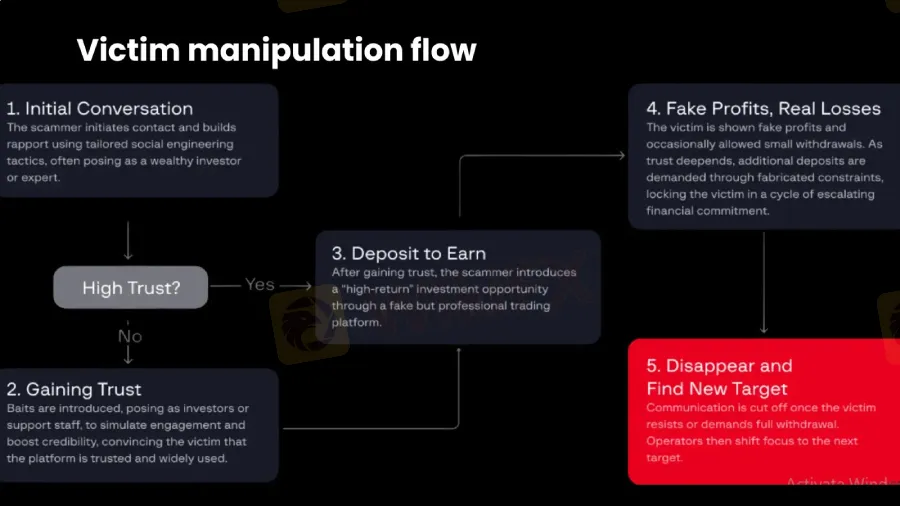
The schemes rely on advanced social engineering, luring victims through social media and encrypted messaging apps. Once contact is made, scammers present themselves as seasoned traders or financial mentors, offering “exclusive” access to high-yield opportunities.
Recent reports from Vietnam highlight the scale of the problem. In August 2025, authorities dismantled a billion-dollar crypto fraud tied to the Paynet Coin platform. Twenty individuals were arrested on charges ranging from asset misappropriation to multi-level marketing violations. Analysts say this case is only the tip of the iceberg, with dozens of similar operations still active across the region.
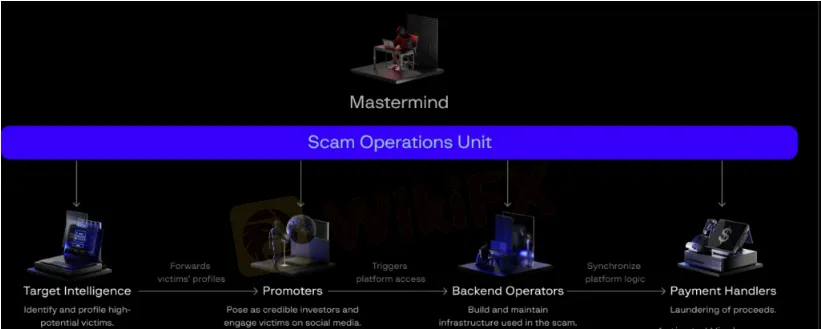
Unlike traditional cybercrime, these forex scam brokers operate with corporate-style hierarchies. Researchers describe a distributed model where each actor has a defined role:
As deposits grow, withdrawal requests are delayed with excuses ranging from “system upgrades” to “compliance checks.” When victims demand full payouts, communication abruptly ends, and the fraudsters move on to new targets.
Technical analysis shows these scams are not isolated websites but interconnected networks sharing backend infrastructure. Invitation-only access codes tie each victim to a specific promoter, ensuring accountability within the fraud ecosystem.
Governments are tightening controls, but scam brokers are adapting just as quickly. Vietnams Circular 17/2024, effective July 2025, introduced stricter corporate account requirements, including biometric verification. While this has disrupted some operations, it has also fueled underground markets for forged documents, stolen IDs, and even AI-powered face-swap technology.
Archived scans of dismantled domains reveal recurring code structures and admin panels, suggesting a centralized backend supporting multiple scam brands. Analysts warn that generative AI is increasingly being integrated into fraud infrastructure, from automated chatbots to deepfake onboarding videos.
The sophistication of these operations underscores the urgent need for coordinated international enforcement. Financial regulators across Asia and beyond are calling for stronger KYC standards, cross-border intelligence sharing, and public awareness campaigns to blunt the impact of these scams.

Disclaimer:
The views in this article only represent the author's personal views, and do not constitute investment advice on this platform. This platform does not guarantee the accuracy, completeness and timeliness of the information in the article, and will not be liable for any loss caused by the use of or reliance on the information in the article.
India's Q1 FY27 GDP grew 7.8%, beating a 7.4% poll and RBI's 7.0% projection. See three conditional scenarios for INR, rates and gold.
Neomarkets, a Kazakhstan-based brokerage firm, is facing some allegations of fund scams and unfair charges. These charges were reportedly on both deposits and withdrawals. As negative Neomarkets reviews became prominent on broker evaluation platforms, it was important to inspect these allegations and understand its regulatory scope. We have covered these in this article.
OnFin, a Comoros-based multi-asset brokerage firm, impresses users with its wide range of products and trading platforms. However, user reviews largely reflect negative sentiments for the broker. Withdrawal issues have allegedly become the talking point among users on broker review platforms such as WikiFX. Among the complaints, one user even highlighted a fund scam totaling over $45,000. Additionally, the alleged failure of the broker in providing trade logs added to negative OnFin reviews. While examining the reviews, we have provided a regulatory overview of the broker.

Most traders who have opened accounts with Succedo Markets, a Saint Lucia-based brokerage entity, have reported withdrawal request denials after a pleasant first experience. Traders globally, including those from India, have made these complaints. Meanwhile, some traders have reportedly taken legal recourse to recover their stuck funds. The critical nature of these complaints made us share this in-depth Succedo Markets review. This review does not only examine user allegations but also shed light on its regulatory framework.
WikiFXWikiFXWikiFXWikiFXWikiFXWikiFXWikiFXWikiFXWikiFXWikiFX