


India Q1 FY27 GDP Growth Hits 7.8%: 3 Scenarios for INR and Gold
India's Q1 FY27 GDP grew 7.8%, beating a 7.4% poll and RBI's 7.0% projection. See three conditional scenarios for INR, rates and gold.
Original

简体中文
繁體中文
English
Pусский
日本語
ภาษาไทย
Tiếng Việt
Bahasa Indonesia
Español
हिन्दी
Filippiiniläinen
Français
Deutsch
Português
Türkçe
한국어
العربية
اردو




Abstract:Cybercriminals are using fake phones to hack crypto wallets. Discover how counterfeit devices are weaponized to steal your digital assets and how to stay safe.
 Contents
The rise of cryptocurrency reshaped target="_blank" kwlink="6384064000816950219725">target="_blank" kwlink="6384064003807653086655">global finance, offering individuals freedom to store and transfer wealth without banks. But with that autonomy came new attack vectors—and hackers have adapted fast. In 2025, a disturbing new trend emerged: criminals are no longer breaking into exchanges or tricking investors through phishing emails. They are selling them the weapon directly.
These attackers now deploy counterfeit smartphones embedded with invisible malware designed to drain crypto wallets and digital assets the moment users set up their accounts. This modern heist doesnt rely on brute force or credential theft—it hijacks your device from the inside out.
Kasperskys latest investigation found over 2,600 confirmed infections from these malicious “fake phone” operations across multiple countries in early 2025. Most victims never suspected their brand-new phones were compromised until their funds vanished. The implications reach far beyond personal finance, exposing cracks in global supply chains and digital trust.
To understand how fake phones steal cryptocurrency, one must first follow the path of the device itself. These attacks begin long before the target unboxes their purchase. Cybercriminals infiltrate legitimate manufacturing and distribution channels to embed malicious firmware deep inside phone hardware.
It starts with clones of leading brands such as Samsung, Huawei, or Xiaomi. These counterfeit models mimic the design, packaging, and user interface of genuine devices. The difference lies beneath the surface—within a few lines of hidden code inside the system kernel.
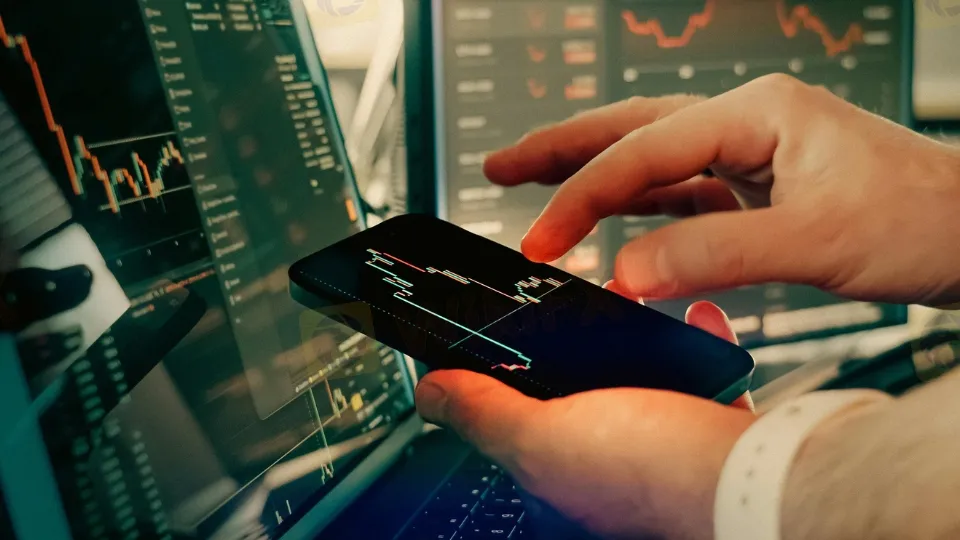
By compromising the firmware level, attackers gain persistence that standard security software cannot detect. When a buyer sets up their phone and installs crypto wallet apps, the malicious code activates silently. From that moment, every transaction, authentication message, and saved password becomes accessible to the attackers remote server.
The devices reach consumers through auction sites, online marketplaces, and small import electronics stores. Their prices seem irresistibly low—pro-level smartphones at half retail cost. Many sellers are unaware theyre distributing infected stock, which makes detection harder for authorities and buyers alike.
Once powered on, the fake device behaves normally. Users browse, text, and install apps without noticing that each step feeds data to a hidden operator halfway across the world.
Malware planted in counterfeit phones isn‘t a single program—it’s a network of interlinked modules built to surveil, steal, and control. Analysts from Kaspersky and Sophos describe these systems as a hybrid of spyware and financial trojans.
Heres how they operate:
Combined, these techniques create a turnkey system for silently draining wallets. Victims often see their funds disappear in small increments first—test withdrawals from hackers ensuring the operation remains undetected—before experiencing a final, total sweep of all digital assets.
Fake phone scams rely on a convergence of human trust, digital complexity, and economic temptation. The affordability of counterfeit devices lures budget-conscious crypto users, while the sophistication of hardware-level malware defeats most traditional defenses.
Modern smartphones contain millions of lines of code, countless permissions, and deep manufacturer dependencies. This makes verifying firmware authenticity nearly impossible for average users. Once a phone is infected at the factory or during shipping, even factory resets offer no relief.
Another reason for the scams success is psychological. Crypto enthusiasts prize mobility and convenience, storing wallet apps directly on their phones. The very device that provides real-time trading power has become the gateway for fraud.
Security researchers have also noted that some of these counterfeit systems exploit AI-driven automation. Machine learning algorithms quickly clone the design of popular new models and dynamically adapt malware signatures to evade antivirus scans. What once took malicious developers months to build can now be assembled in days.
In several documented cases, users were unaware for weeks that their phones were compromised. Unlike ransomware, which announces itself, these fake phones prioritize stealth. They delay detection to maximize financial extraction.
While early reports concentrated in Russia and Eastern Europe, the issue is spreading. Investigations by cybersecurity agencies suggest that counterfeit phone shipments containing malicious firmware have appeared in Latin America, Southeast Asia, and Africa.
In some regions, the devices are even marketed under legitimate-sounding local brands, masking their origin. Online crypto communities have shared screenshots of wallet address replacement logs and system files revealing remote access malware hidden in obscure Android folders.
Authorities face a daunting challenge. Unlike centralized hacks or data breaches, fake phone scams occur at the intersection of consumer electronics, cybercrime, and retail fraud. Tracking the point of infection—whether in a warehouse or during customs transit—is nearly impossible, especially when intermediary resellers have no idea they are distributing compromised stock.
Victims describe eerily similar experiences. One European investor purchased a discounted flagship phone from a reputable marketplace. Within two weeks of setting up his crypto wallets, small transfers began vanishing. By the time he noticed, nearly $120,000 worth of Ethereum was gone. Forensic analysis revealed preloaded spyware contacting a server in Singapore since the day the phone was first powered on.
In another case reported by a cybersecurity firm in Vietnam, a developer bought what he believed was an authentic Android phone. While configuring his exchange API keys for mobile trading, his credentials were copied and forwarded to an external IP address. Within hours, automated bots executed trades and moved assets out of his account.
Such stories underscore a vital truth: once crypto leaves your wallet, recovery is nearly impossible. Blockchain transparency allows anyone to trace transactions, but anonymity prevents authorities from freezing or reversing them.

Defending against these advanced supply chain hacks requires both technical diligence and consumer skepticism. Experts recommend the following best practices:
In addition, remain alert to deals that appear “too good to be true.” Price remains one of the most effective warning indicators in cyber fraud. A premium phone sold at 40 percent below market value almost always hides something worse than an import mark.
Cybersecurity specialists warn this is only the beginning. The blending of counterfeit hardware and financial malware represents a turning point in cybercrime strategy. By attacking the physical foundation of user trust—the device itself—criminals bypass nearly all digital perimeter defenses.
Moreover, the increasing role of artificial intelligence in cybercrime is amplifying the threat. AI-enhanced malware can detect when users open a wallet app and immediately mask or alter the screen data to prevent suspicion. Deepfake technologies could soon enable voice or biometric spoofing to intercept additional verification steps.
Global cooperation among manufacturers, cybersecurity firms, and law enforcement is needed to address this challenge. Initiatives to authenticate firmware signatures and trace counterfeit hardware shipments are underway, but full deployment will take years.
For crypto holders, the safest position is proactive skepticism. Never assume a device is secure simply because it looks authentic or runs smoothly. Trust must now be verified through digital certification and purchase transparency.
As one cybersecurity analyst put it, “Every unverified smartphone is effectively a loaded gun pointed at your assets.” It may only take one careless purchase for years of investment to vanish in seconds.
The new wave of fake phone hacks demonstrates that crypto theft no longer depends on cracking passwords or breaching exchanges. The device in your hand is now the target itself. That evolution should change how every crypto investor approaches security—less about software updates, and more about where and how the phone itself came into your possession.
The fake phone phenomenon marks a new era in cybercrime—a blend of counterfeit hardware, invisible software, and global-scale deception. It dismantles the most trusted assumption of modern security: that new devices are safe.
For crypto users, the lesson is clear. The convenience of mobile trading must be balanced with caution. Verify every device, question every deal, and separate your digital assets from your daily devices.
Once hackers insert themselves into the manufacturing chain, theft becomes invisible, untraceable, and devastatingly efficient. Protecting your crypto now means protecting the very phones you use to access it.

Disclaimer:
The views in this article only represent the author's personal views, and do not constitute investment advice on this platform. This platform does not guarantee the accuracy, completeness and timeliness of the information in the article, and will not be liable for any loss caused by the use of or reliance on the information in the article.

India's Q1 FY27 GDP grew 7.8%, beating a 7.4% poll and RBI's 7.0% projection. See three conditional scenarios for INR, rates and gold.

Choosing a forex liquidity provider is not a search for the lowest displayed spread or the longest provider list. It is a broker decision about pricing integrity, depth, routing, credit, reporting, incident response, and client communication. This 2026 guide explains how a forex LP, FX liquidity provider, or liquidity provider forex arrangement fits into a broker’s execution chain; what to test before onboarding; why a “best forex liquidity provider” claim cannot replace due diligence; and how to compare cost beyond commission. Use the execution-quality scorecard, provider questions, routing scenarios, and 90-day onboarding plan to assess whether a liquidity relationship can support your actual client mix, instruments, risk model, and jurisdiction. The goal is not to make a universal ranking. It is to build evidence that your broker can explain, supervise, reconcile, and recover its execution service when market conditions are difficult.
The visible fee in an MT4 white label proposal is rarely the real cost of operating it. For an existing broker, the decision is not simply whether an MT4 white label platform is “cheap” or “expensive.” The real question is whether the commercial model remains viable after integration, support, data, client migration, compliance, and exit costs are included. That is why an MT4 white label cost review should be built as a 24- to 36-month operating case. It should compare three credible choices: 1. Keep the present MT4 setup and improve its weakest controls. 2. Replace the MT4 white label provider but retain the client proposition. 3. Migrate selected clients or products to another platform while running MT4 in parallel. This guide explains how to build that case without relying on headline prices or generic vendor claims.
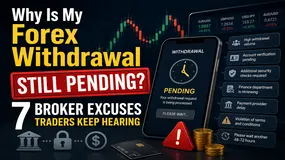
Withdrawal delays are precisely the complaint we keep receiving on WikIFX, a veteran in the forex regulation inquiry space. While some users receive withdrawal access initially and find rejections on their applications later, some fail to receive a single approval. Some delays usually result from genuine compliance requirements that brokers need to adhere to. However, in many cases, traders have accused the broker of repeated excuses as part of its alleged strategy to deny a seamless fund release. A pending withdrawal cannot be an outright indicator of fraudulent activity. Financial institutions, including forex brokerage entities, need to abide by the anti-money laundering (AML) and Know Your Customer (KYC) regulations. However, as the monitoring process stretches beyond weeks or months, traders become frustrated and raise questions over the broker’s reliability.
WikiFXWikiFXWikiFXWikiFXWikiFXWikiFXWikiFXWikiFXWikiFXWikiFX