


IG Review for India 2026: RBI Alert List, Regulation, Login, and Forex Risk
IG review for India in 2026: see the RBI Alert List entry, overseas regulation, login checks, forex limits, and a clear broker safety checklist.
Original

简体中文
繁體中文
English
Pусский
日本語
ภาษาไทย
Tiếng Việt
Bahasa Indonesia
Español
हिन्दी
Filippiiniläinen
Français
Deutsch
Português
Türkçe
한국어
العربية
اردو




Abstract:If you’ve ever looked at a trading chart and wondered how traders know when a price is “too high” or “too low,” the answer often lies in trading oscillators. A trading oscillator is a type of technical indicator that helps traders measure the momentum of price movements. In simple terms, it tells you when a currency pair, stock, or commodity might be overbought or oversold — which can signal a potential reversal.

What Are Trading Oscillators?
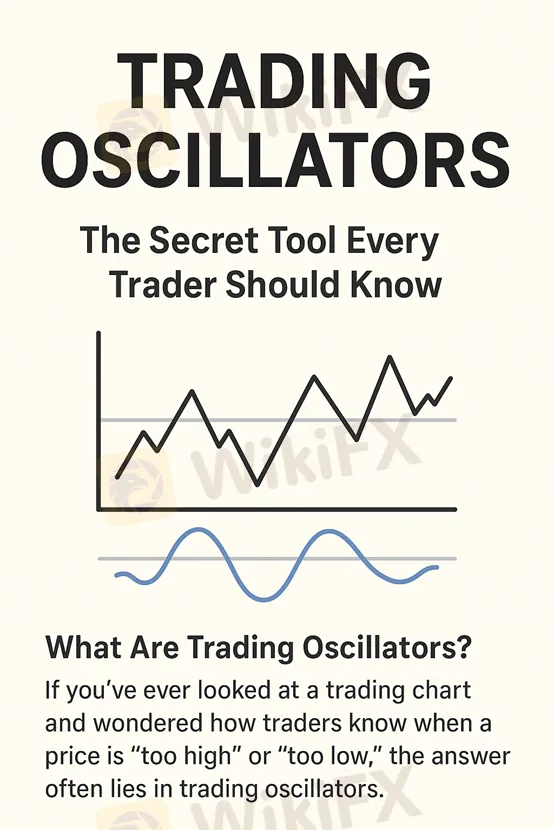
If youve ever looked at a trading chart and wondered how traders know when a price is “too high” or “too low,” the answer often lies in trading oscillators.
A trading oscillator is a type of technical indicator that helps traders measure the momentum of price movements. In simple terms, it tells you when a currency pair, stock, or commodity might be overbought or oversold — which can signal a potential reversal.
Oscillators “oscillate” (move back and forth) between two levels, often 0 to 100, helping traders visualize when the market might change direction.
 Contents
For new traders, its easy to get lost in complex charts. But oscillators simplify decision-making by providing clear visual cues.
Here‘s why they’re useful:
When used correctly, trading oscillators can strengthen your trading strategy and improve timing for entry and exit points.
Relative Strength Index (RSI)
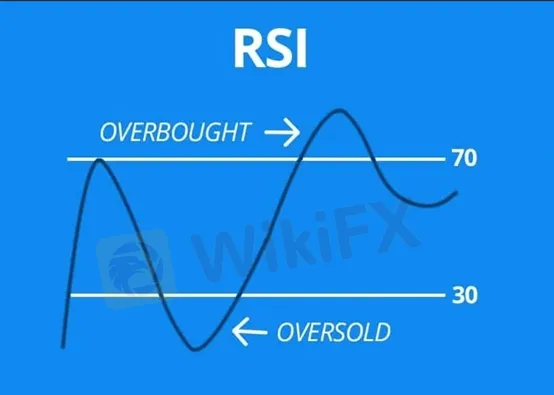
The RSI is one of the most popular oscillators. It ranges from 0 to 100:
RSI helps traders spot momentum shifts before the price reacts.
Moving Average Convergence Divergence (MACD)
The MACD is another widely used momentum trading tool. It shows the relationship between two moving averages of price.
When the MACD line crosses above the signal line, its often a buy signal.
When it crosses below, it can be a sell signal.
MACD works great for confirming the direction of a trend.
Stochastic Oscillator
This oscillator compares a securitys closing price to its price range over a set period. Like RSI, it helps identify overbought and oversold conditions, often using 80 and 20 as thresholds.
Combine with trend analysis.
Dont rely only on oscillators — pair them with tools like moving averages to confirm signals.
Avoid false signals.
In a strong trend, oscillators can stay overbought or oversold for a long time. Wait for confirmation before trading.
Adjust settings.
Shorter periods make the oscillator react faster but can cause more noise; longer periods smooth out signals but may delay entry.
Trading oscillators are essential tools for traders who want to understand market momentum without diving into overly complex analysis.
For beginners, learning to read oscillators like RSI, MACD, and Stochastic can make trading decisions clearer and more confident.
Used with a sound trading strategy, these tools can help you time your entries and exits more effectively — and take your trading journey to the next level.

Disclaimer:
The views in this article only represent the author's personal views, and do not constitute investment advice on this platform. This platform does not guarantee the accuracy, completeness and timeliness of the information in the article, and will not be liable for any loss caused by the use of or reliance on the information in the article.
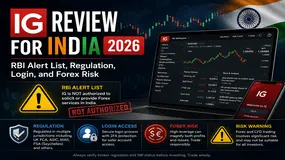
IG review for India in 2026: see the RBI Alert List entry, overseas regulation, login checks, forex limits, and a clear broker safety checklist.

Orbex, a Cyprus-based brokerage entity, has recorded 30 exposure complaints on WikiFX, a leading forex broker regulation inquiry tool, so far. Other review websites have also recorded a healthy number of complaints against the brokerage firm. These complaints largely talk about the alleged profit confiscations by the broker in the name of trading violations, difficulty in accessing fund withdrawals, capital losses due to artificial slippage, etc. In this Orbex review, we have investigated user complaints and provided a regulatory overview of the broker.
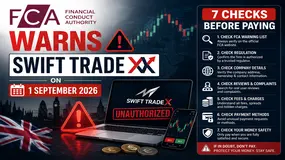
FCA warns Swift TradeX in a notice first published and updated on 1 September 2026. The UK Financial Conduct Authority says the firm may be providing or promoting financial services without permission, is not authorised, and may be targeting people in the UK. The notice names the website swifttradexai.com, a Worcester address and a UK telephone number, but also cautions that unauthorised businesses may use incorrect or borrowed contact details. The confirmed issue is authorisation status—not a court finding about every transaction. Anyone considering a payment should stop, verify the firm independently, and avoid using contact information supplied by the platform itself.
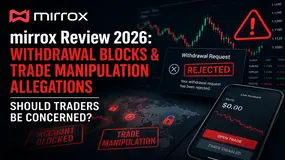
Did mirrox, a brokerage firm, ask you to keep your margin level above 250%-300% and make you add funds immediately if it dropped below it? Did the broker prevent you from opening a trade despite having a healthy equity balance? Did it close your trading account upon a withdrawal request? Many traders have raised these concerns online while sharing their respective mirrox reviews. This article aims to examine these user allegations while answering the popular question: Is mirrox legit or a scam?
WikiFXWikiFXWikiFXWikiFXWikiFXWikiFXWikiFXWikiFXWikiFXWikiFX