


Why Most Retail Traders Fail: What the Numbers Reveal
Retail trading data shows why so many traders quit or lose money, from short survival periods and high costs to overconfidence, emotional decisions, and poor risk control.
Original

简体中文
繁體中文
English
Pусский
日本語
ภาษาไทย
Tiếng Việt
Bahasa Indonesia
Español
हिन्दी
Filippiiniläinen
Français
Deutsch
Português
Türkçe
한국어
العربية
اردو




Abstract:When you see a price soaring, your brain screams panic. You feel FOMO (Fear Of Missing Out). But here is the brutal truth: When a candle is massive and green, the move is already over.
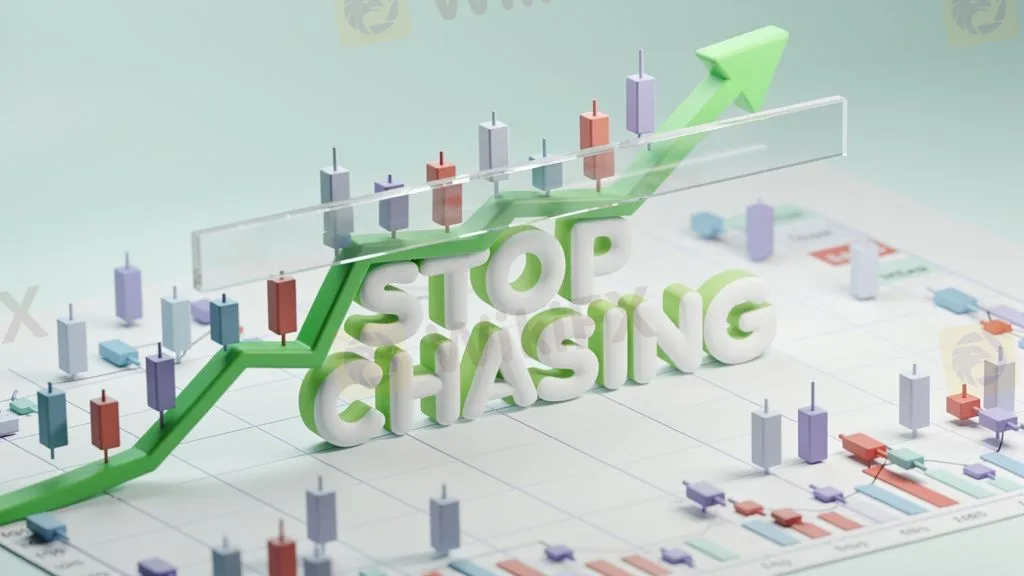
Let me guess what happened to you this week. You opened your trading app on your phone. You saw Gold (XAUUSD) or GBPUSD shooting up like a rocket. A big, fat green candle.
Your heart started racing. Telegram groups were screaming “To the moon!” You didn't want to be the only one left behind in Lagos or Nairobi while everyone else was making dollars.
So, you hit BUY.
Five minutes later, the candle stopped. It turned red. The market dropped like a stone. You are now holding a heavy bag of loss.
Does this sound familiar? You are not cursed, and the market doesn't hate you. You are simply falling for the oldest trap in the book: Buying at Resistance.
This is called “Chasing the Rise.” Its a psychological trap that destroys more accounts in Africa than any bad economic news.
When you see a price soaring, your brain screams panic. You feel FOMO (Fear Of Missing Out). But here is the brutal truth: When a candle is massive and green, the move is already over.
Think about it like a messy taxi rank or a matatu station. Professionals board the bus when it is parked (at Support). You are trying to jump onto the bus while it is speeding down the highway at 100km/h. You are going to get hurt.
When you buy after a huge rally, who do you think is selling to you? The professional traders (the “Smart Money”) who bought the bottom days ago. They are taking their profits. You are basically donating your money to their exit liquidity.
We all know the saying, but few actually do it. Instead, most beginners “Buy High (Excitement)” and “Sell Low (Panic).”
To stop bleeding money, you need to flip your mindset immediately. You must stop looking at price movement as “Green means Buy.” You need to look at location.
1. The Floor (Support):
This is where price has struggled to go lower in the past. Its “cheap.” This is where you look for buy signals. The candles here might look boring or small. That is good. That is where the risk is low.
2. The Ceiling (Resistance):
This is where price has struggled to break through and go higher. It is “expensive.” When price hits this roof, you do not buy. You look to take profit or, if you are aggressive, you sell.
If the price is smashing into a ceiling (Resistance), buying right there is like running full speed into a brick wall hoping it breaks. Usually, the wall wins.
Trading off support and resistance requires patience, but it also requires a fair playing field.
Sometimes, you might actually have the right idea, but your broker plays games. Have you ever tried to buy at a good support level, but the app froze? Or the spread suddenly widened so much that your stop loss was hit instantly?
That isn't always the market; sometimes that's a bad broker taking advantage of volatility.
Before you risk another Cent or Naira, check who you are dealing with. Use WikiFX to verify your brokers regulatory status. If they are unregulated or have a history of complaints about slippage and withdrawal issues, it doesn't matter how good your strategy is—you will lose. WikiFX acts as your shield against the scammers waiting for you to make a mistake.
You want to stop donating your salary to the market? Follow these three simple rules for your next trade:
Stop chasing the market. Let the market come to you. If you control your FOMO, you control your financial future.
Disclaimer: This article is for educational purposes only and does not constitute financial advice. Trading involves significant risk, and you can lose your invested capital.
Disclaimer:
The views in this article only represent the author's personal views, and do not constitute investment advice on this platform. This platform does not guarantee the accuracy, completeness and timeliness of the information in the article, and will not be liable for any loss caused by the use of or reliance on the information in the article.
Retail trading data shows why so many traders quit or lose money, from short survival periods and high costs to overconfidence, emotional decisions, and poor risk control.

The market is a game of psychology, not just economics. Trade what the chart is doing, not what the news anchor is saying.
I see it every single day. A student sends me a screenshot of their trading setup, asking why they got stopped out.
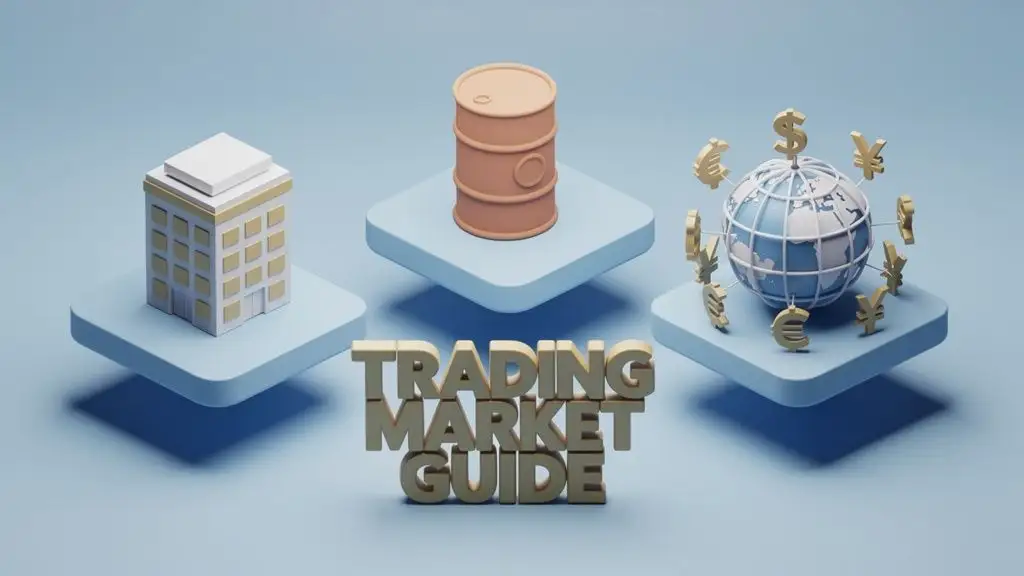
You’ve probably seen the screenshots on social media. Someone turns $500 into $5,000 in a single morning, and suddenly everyone wants to be a trader. But here is the cold reality: trading isn’t a single game. It’s a collection of different battlefields, and if you bring a knife to a gunfight, you’re going to lose your capital.
WikiFXWikiFXWikiFXWikiFXWikiFXWikiFXWikiFXWikiFXWikiFXWikiFX