


Why Most Retail Traders Fail: What the Numbers Reveal
Retail trading data shows why so many traders quit or lose money, from short survival periods and high costs to overconfidence, emotional decisions, and poor risk control.
Original

简体中文
繁體中文
English
Pусский
日本語
ภาษาไทย
Tiếng Việt
Bahasa Indonesia
Español
हिन्दी
Filippiiniläinen
Français
Deutsch
Português
Türkçe
한국어
العربية
اردو




Abstract:There is nothing more frustrating in Forex than the "Fakeout."
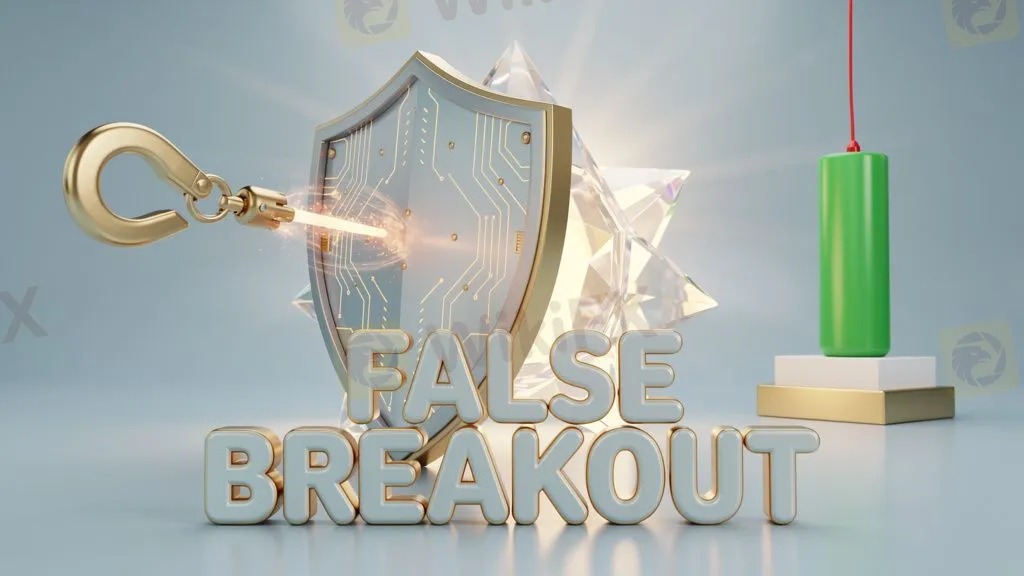
There is nothing more frustrating in Forex than the “Fakeout.”
Here is the scenario: You have been watching GBP/USD hover right under a resistance level for hours. Finally, a big green candle smashes through the ceiling. You think, “This is it. The train is leaving.” You hit the buy button.
Thirty minutes later, you check your phone. The price didn't just stop going up; it completely reversed. That big green candle is now a massive red wick, leaving you holding a heavy bag at the absolute top of the market. The price crashes back down, hits your stop loss, and takes a chunk of your equity with it.
You just got caught in a False Breakout.
This is the most common way new traders lose money. You are providing liquidity for the big players. They need someone to buy so they can sell. If you want to survive, you need to stop trading what you hope will happen and start trading what is actually on the chart.
To understand a fakeout, you have to think like a market maker, not a retail trader.
When a currency pair hits a major resistance level, millions of traders place their Stop Loss orders just above that level. To a massive institutional bank, those Stop Loss orders are not safety nets—they are fuel.
If a bank wants to sell a huge position of EUR/USD, they need buyers. Where do they find them? They push the price up just enough to trigger all those buy stops (from the breakout traders) and stop losses (from the short sellers). Once those orders fill, there is massive liquidity available for the bank to sell into.
Once their sell orders are filled, they stop supporting the price. The market collapses back down. You bought the “breakout,” but you actually bought the “liquidity grab.”
Here is how you spot the trap before stepping into it.
New traders get excited when the price moves above a level during the middle of the candle.
Veterans dont care where the price is during the hour. We care where it closes.
If you are looking at a 1-hour chart, and the price shoots above resistance at minute 30, do not touch it. Wait for minute 60.
A real breakout usually closes strong, near its high, clearly above the resistance line. A false breakout will often shoot up, find sellers, and get pushed back down, closing the candle back below the resistance line. This creates a long “wick” or shadow at the top.
In Price Action terms, this is a Shooting Star or a Pinbar. It screams: “ The buyers tried, but the sellers were stronger.” If you see a long wick sticking out above resistance, keep your hands off the buy button.
Real moves have momentum. If a pair breaks a psychological level (like 1.3000 on GBP/USD), the next candle should continue that narrative.
If the breakout candle is massive, but the very next candle is a tiny, weak spinning top, or worse, an immediate red candle engulfing the previous move, its a trap.
Major breakouts are usually accompanied by aggressive movement. If the price breaks the door down but then stands in the hallway looking confused, it is likely heading back outside.
The safest way to trade a breakout is to not trade the breakout at all.
I know, that sounds counterintuitive. But chasing a soaring candle is gambling. Instead, wait for the Retest.
If a resistance level is truly broken, it should flip and become a support level. The price will often break out, go up for a bit, and then pull back down to touch the old roof.
If it touches that old roof and bounces off it (turning resistance into support), that is your entry signal.
If it crashes straight back through the roof and into the house? It was a fakeout. You saved your capital simply by waiting.
Trading fakeouts is hard enough purely based on market movements. But there is another risk factor: your broker.
During high volatility—like a breakout attempt—spreads can widen dramatically. Some shady brokers use these moments to manipulate prices slightly, hunting your stops even if the market didn't officially hit that price on the interbank network.
You need to be absolutely sure that the “fakeout” you saw was the market moving, not your broker playing games. Before you commit serious capital to a strategy that relies on precision entries, verify your broker's regulatory status on WikiFX.
WikiFX aggregates regulatory data and user complaints. If your broker is unregulated or has a history of severe slippage complaints, that “false breakout” might just be them widening the spread to take your money. Experienced traders use regulated environments to ensure the fight is fair.
The market spends about 70% of its time ranging (going sideways) and only 30% of its time trending. That means statistically, most potential breakouts will fail.
Stop acting like every green candle is the start of a new trend.
Preserving your capital is more important than catching every single move. Let the impatient traders get trapped. You can enter later, once the market has tipped its hand.
Disclaimer: This article is for educational purposes only and does not constitute financial advice. Forex trading involves significant risk, including the potential loss of your entire investment. Leverage can work against you. Always do your own research.
Disclaimer:
The views in this article only represent the author's personal views, and do not constitute investment advice on this platform. This platform does not guarantee the accuracy, completeness and timeliness of the information in the article, and will not be liable for any loss caused by the use of or reliance on the information in the article.
Retail trading data shows why so many traders quit or lose money, from short survival periods and high costs to overconfidence, emotional decisions, and poor risk control.

The market is a game of psychology, not just economics. Trade what the chart is doing, not what the news anchor is saying.
I see it every single day. A student sends me a screenshot of their trading setup, asking why they got stopped out.
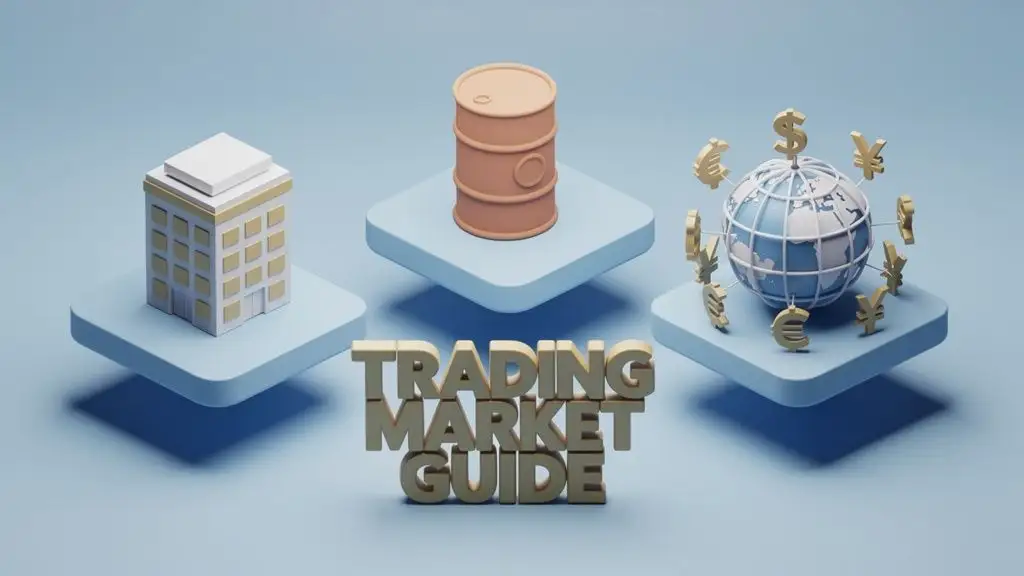
You’ve probably seen the screenshots on social media. Someone turns $500 into $5,000 in a single morning, and suddenly everyone wants to be a trader. But here is the cold reality: trading isn’t a single game. It’s a collection of different battlefields, and if you bring a knife to a gunfight, you’re going to lose your capital.
WikiFXWikiFXWikiFXWikiFXWikiFXWikiFXWikiFXWikiFXWikiFXWikiFX