


IG Review for India 2026: RBI Alert List, Regulation, Login, and Forex Risk
IG review for India in 2026: see the RBI Alert List entry, overseas regulation, login checks, forex limits, and a clear broker safety checklist.
Original

简体中文
繁體中文
English
Pусский
日本語
ภาษาไทย
Tiếng Việt
Bahasa Indonesia
Español
हिन्दी
Filippiiniläinen
Français
Deutsch
Português
Türkçe
한국어
العربية
اردو




Abstract:Global markets are on alert for potential supply-side shocks in energy markets as tensions between Israel and Iran escalate significantly. Israeli officials have signaled a lower threshold for preemptive military action, shifting their "red line" from nuclear development to the reconstitution of Iran’s conventional ballistic missile arsenal.
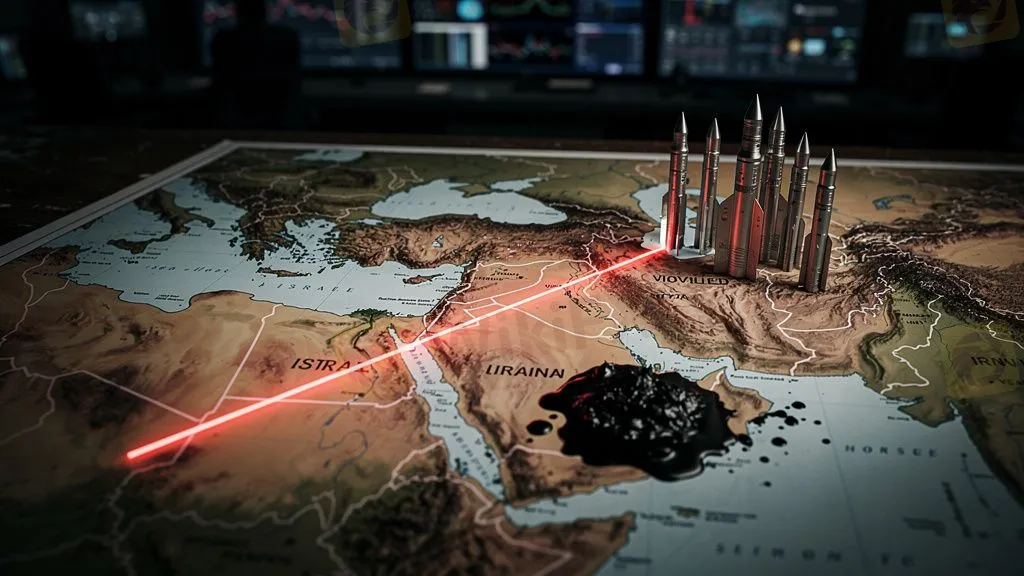
Global markets are on alert for potential supply-side shocks in energy markets as tensions between Israel and Iran escalate significantly. Israeli officials have signaled a lower threshold for preemptive military action, shifting their “red line” from nuclear development to the reconstitution of Irans conventional ballistic missile arsenal.
Following a 12-day active conflict just six months ago, Israeli intelligence suggests Tehran is aggressively rebuilding its missile stockpiles. Prime Minister Benjamin Netanyahu, speaking at an air force graduation, warned that Israel is monitoring “re-armament efforts” by Iran and its proxies, explicitly stating readiness to strike new threats before they mature.
The shift in strategy introduces a high probability of renewed kinetic conflict within the next 12 months.
The timing is critical as Netanyahu prepares to meet with the incoming Trump administration. While President-elect Trump previously claimed to have “destroyed” Iran's nuclear leverage, his stance on a conventional missile war remains ambiguous.
Historically, Israel requires US tactical support—or at least tacit approval—for sustained operations against Iran due to the need for missile defense replenishment. If Washington signals hesitation to support a new front, it could either dampen hostilities or force Israel into a rapid, high-intensity unilateral strike.
Danny Citrinowicz, of the Institute for National Security Studies, warns: “We are forcing ourselves into a red line that will inevitably lead to the use of force again.”
Disclaimer:
The views in this article only represent the author's personal views, and do not constitute investment advice on this platform. This platform does not guarantee the accuracy, completeness and timeliness of the information in the article, and will not be liable for any loss caused by the use of or reliance on the information in the article.
IG review for India in 2026: see the RBI Alert List entry, overseas regulation, login checks, forex limits, and a clear broker safety checklist.

FCA warns Swift TradeX in a notice first published and updated on 1 September 2026. The UK Financial Conduct Authority says the firm may be providing or promoting financial services without permission, is not authorised, and may be targeting people in the UK. The notice names the website swifttradexai.com, a Worcester address and a UK telephone number, but also cautions that unauthorised businesses may use incorrect or borrowed contact details. The confirmed issue is authorisation status—not a court finding about every transaction. Anyone considering a payment should stop, verify the firm independently, and avoid using contact information supplied by the platform itself.
ThinkMarkets review for India: check the RBI Alert List, overseas entities, regulation, login security, forex rules, costs, withdrawals, and leverage risk.
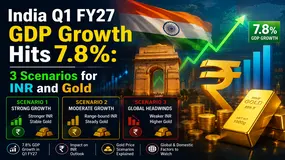
India's Q1 FY27 GDP grew 7.8%, beating a 7.4% poll and RBI's 7.0% projection. See three conditional scenarios for INR, rates and gold.
WikiFXWikiFXWikiFXWikiFXWikiFXWikiFXWikiFXWikiFXWikiFXWikiFX