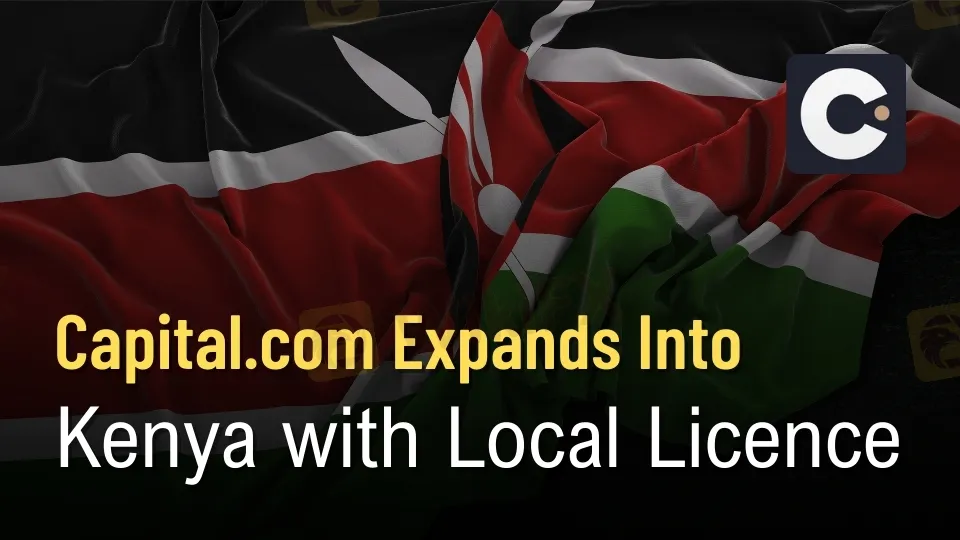
Abstract:Capital.com secures a Kenyan CMA licence and appoints Samwel Kiraka as CEO, marking a major step in its Africa expansion strategy.
 Contents
Capital.com Enters the Kenyan Market
Capital.com has finally expanded its global presence by launching operations in Kenya after obtaining an official licence from the Capital Markets Authority (CMA). With this approval, the trading platform is now authorized to operate as a Dealing Online Foreign Exchange Broker, enabling it to offer regulated forex and trading services to Kenyan clients.
Leadership Appointment for Local Operations
To lead the newly established entity, Capital.com has appointed Samwel Kiraka as Chief Executive Officer for its Kenyan branch. Kiraka will be responsible for implementing local governance frameworks, ensuring compliance with CMA requirements, and overseeing day-to-day operations.
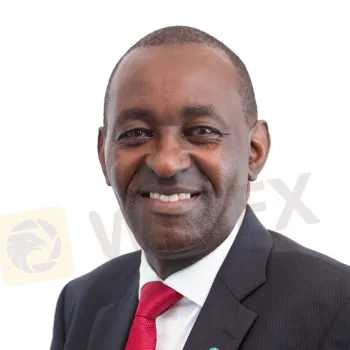
He noted that the company‘s immediate goal is “to build local operations that meet regulatory and operational expectations from day one,” emphasizing Capital.com’s commitment to transparency and market integrity.
Growing Regulatory Footprint Across Continents
Capital.coms entry into Kenya adds another milestone to its expanding global regulatory portfolio. The firm already holds licences in the United Kingdom, Cyprus, Australia, the Bahamas, and the United Arab Emirates. Recent filings also confirm applications for additional approvals in South Africa, Japan, and Turkey, indicating an accelerated growth strategy focused on multi-jurisdictional compliance.
Executive Director Valentina Rzheutskaya explained that operating under domestic regulatory supervision remains central to the companys long-term strategy. “The CMA licence provides a clear framework for how we operate—defining standards for risk communication, client support, and operational controls,” she said.

Increasing Competition Among Global Brokers
Kenya has emerged as a dynamic hub for online trading in Africa, attracting several international brokers eager to capture the growing retail investor base. Firms such as IC Markets, FP Markets, Pepperstone, Exness, Admirals, INGOT Brokers, Scope Markets, and Exinity are all licensed by the CMA and have already established local offices.
Industry analysts suggest that Capital.coms entry reinforces a trend among global brokers seeking tighter regulatory alignment in emerging markets. With stronger oversight, these entities aim to enhance investor trust while ensuring compliance with evolving regional financial frameworks.
About Capital.com
Founded with a mission to make trading more accessible and transparent, Capital.com operates a multi-asset platform serving clients worldwide. Its expansion into Kenya underscores the companys continued pursuit of responsible global growth grounded in regulatory compliance and client protection.