Abstract:Is TRENDO a trustworthy broker? Learn about the TRENDO rating, account details, and why its licensing status raises questions.
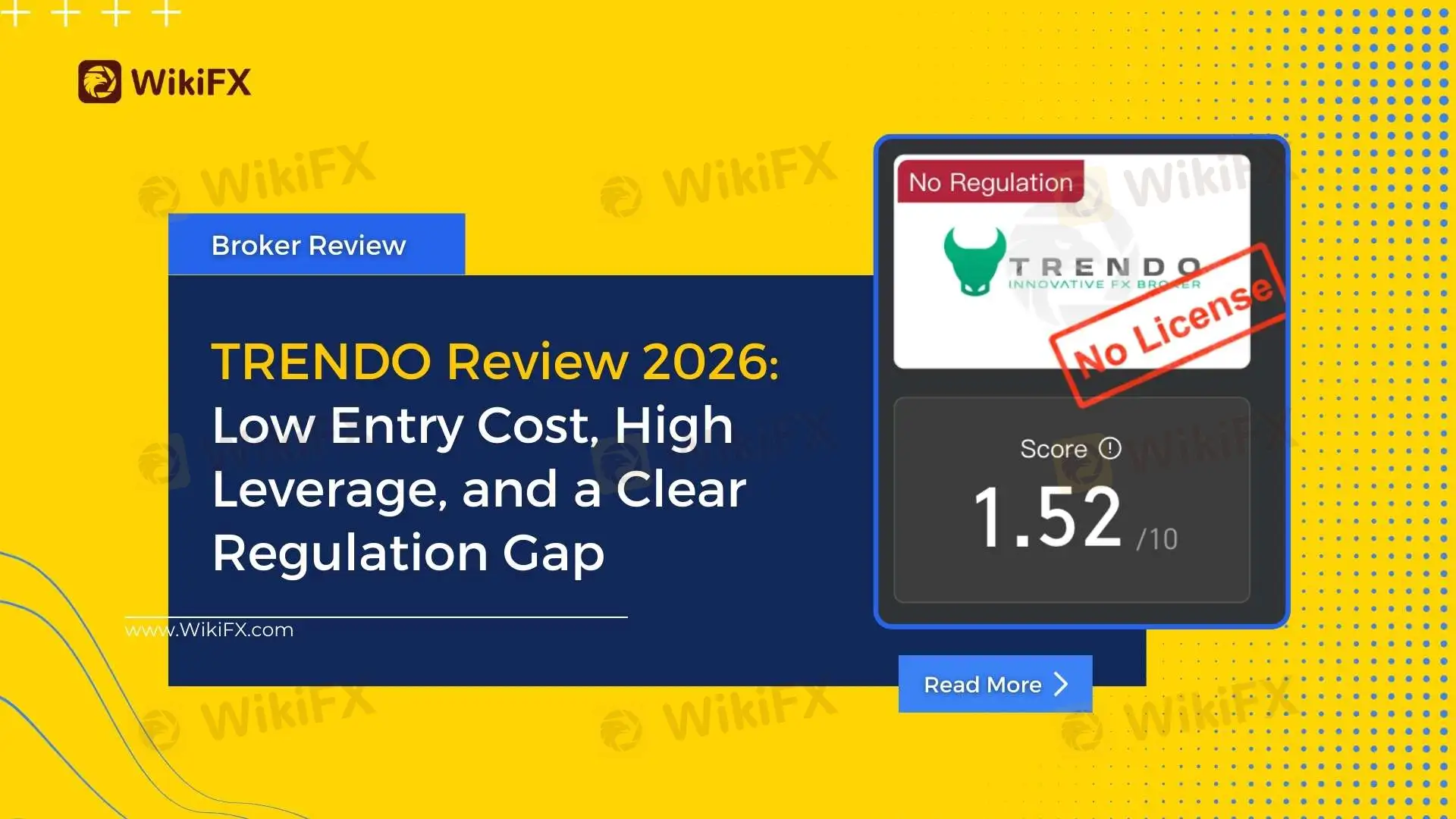
If you are looking into TRENDO as a forex and CFD broker, the first thing that stands out is its attempt to appeal to entry-level traders. The broker offers a low minimum deposit, multiple account formats, a demo option, and a simple proprietary platform that works across several devices. On the surface, that makes it look accessible.
But any serious TRENDO review has to start with regulation. And that is where the platform raises the biggest concern.
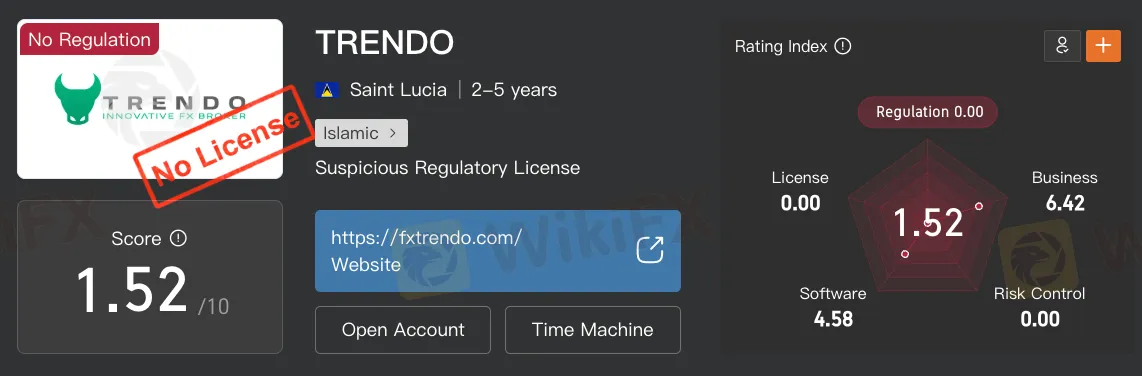
According to the available broker information, TRENDO is not currently backed by a valid regulatory licence from a recognized financial authority. That matters more than any welcome bonus, cashback feature, or low-deposit account structure.
What TRENDO Offers
TRENDO presents itself as a broker for traders who want access to a broad mix of instruments. The platform says it supports trading in forex, metals, energies, indices, stocks, and cryptocurrencies. That product range is broad enough to attract users who prefer to keep different asset classes under one account rather than splitting activity across multiple platforms.
The broker also offers a demo account, which is useful for traders who want to test the platform before depositing money. In addition to standard live trading accounts, TRENDO appears to use a layered account structure that includes wallet accounts, bonus accounts, PAMM accounts, and copy trading options.
That variety may sound appealing, especially to newer traders who are comparing platforms based on flexibility. Still, variety alone is not the same as reliability.

Account Types and Trading Costs
One of the reasons TRENDO may attract attention is its relatively low barrier to entry. The broker says clients can open an account with as little as $10, which puts it within reach of beginners who do not want to commit much capital at the start.
Its live accounts are presented as ECN-style trading accounts, while demo accounts are available for practice. There is also a bonus account structure that includes a small welcome credit and a profit-withdrawal cap tied to the bonus system.
For users interested in social trading, the broker promotes both PAMM and copy trading models. That gives less experienced traders a way to follow other strategies, though it also introduces another layer of risk if performance expectations are unrealistic.
On pricing, TRENDO advertises spreads from 0 pips, but there is also a $3 commission per lot traded. That means the headline spread does not tell the whole story. In practice, the real trading cost depends on the instrument, execution quality, and how commissions affect the final cost of each position.
Leverage: High Potential, High Risk
TRENDO offers maximum leverage of up to 1:1000, which is very high by the standards of many regulated markets.
For some traders, high leverage looks attractive because it allows larger positions to be opened with a smaller deposit. But this is also where risk becomes serious. A leverage ratio at that level can magnify losses just as quickly as it magnifies gains, and inexperienced traders often underestimate how fast an account can be damaged when volatility moves against them.
In other words, the leverage on offer may be one of the platforms selling points, but it is also one of the clearest reasons for caution.
Trading Platform and User Experience
Instead of relying on MetaTrader 4 or MetaTrader 5, TRENDO uses its own proprietary platform. Based on the available material, the platform is designed to work across desktop and mobile environments and includes the usual charting and technical analysis functions expected by retail traders.
This may suit users who want a simple in-house interface rather than a third-party terminal. The platform appears to be available across Windows, Mac, iOS, Android, web, and Linux environments, which improves accessibility.
Still, the convenience of a platform should not be confused with the quality of regulatory protection behind it.
Deposits, Withdrawals, and Bonus Features
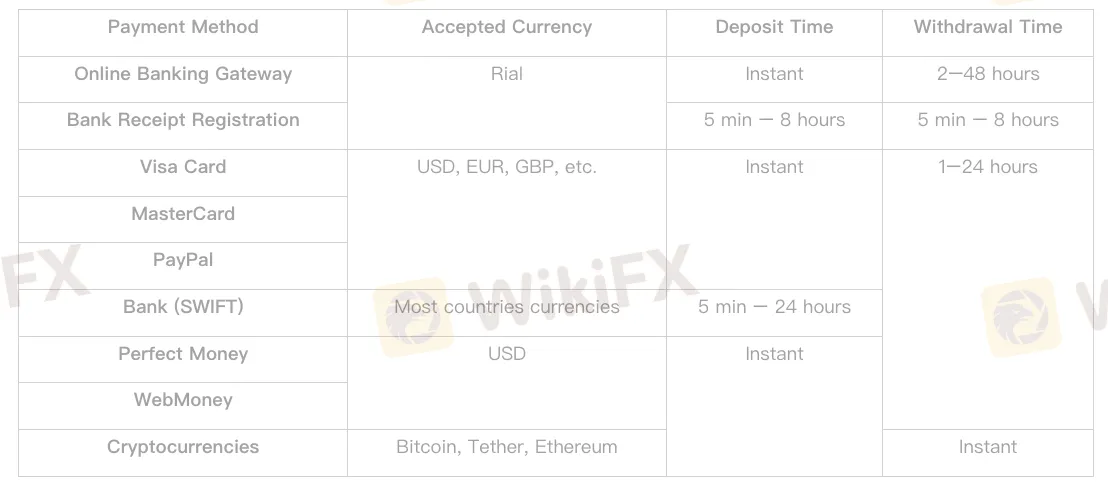
TRENDO also highlights a broad range of payment methods. Based on the available information, funding options include online banking channels, card payments, bank transfer, e-wallets, and cryptocurrency-based methods. The platform states that some deposits are processed instantly, while withdrawals may take anywhere from a few hours to up to two days depending on the method used.
The broker also promotes reward-style features such as referral bonuses, trading contests, and daily cashback. These incentives may increase engagement, but they should not be treated as a substitute for licensing, fund safety, or execution transparency.
Whenever a broker places strong emphasis on promotions, the more important question remains whether the core operating structure is trustworthy.
Is TRENDO Legit?
This is the central question behind most searches for TRENDO broker review, TRENDO rating, or TRENDO licence.
The main issue is straightforward: TRENDO does not currently appear to hold valid regulatory authorization from a recognized official authority. That significantly affects how the broker should be assessed.
A lack of regulation does not automatically prove misconduct, but it does mean traders have fewer formal protections if something goes wrong. That can include weaker safeguards around client funds, fewer complaint channels, and less clarity around how disputes are handled.
For that reason alone, TRENDO should be approached carefully.
Final Verdict
TRENDO has a few features that may look attractive at first glance. The minimum deposit is low, the product range is wide, the broker offers demo access, and the proprietary platform appears easy to use. For traders comparing entry-level brokers, those points may seem persuasive.
But the regulation issue changes the overall picture.
Any balanced TRENDO review has to conclude that the platforms biggest weakness is not pricing, platform design, or product variety. It is the absence of clear regulatory backing. And for many traders, that is the factor that matters most.
If you are considering opening an account, it makes sense to weigh the convenience of the offering against the very real risks of dealing with a broker that lacks solid regulatory standing.