


IG Review for India 2026: RBI Alert List, Regulation, Login, and Forex Risk
IG review for India in 2026: see the RBI Alert List entry, overseas regulation, login checks, forex limits, and a clear broker safety checklist.
Original

简体中文
繁體中文
English
Pусский
日本語
ภาษาไทย
Tiếng Việt
Bahasa Indonesia
Español
हिन्दी
Filippiiniläinen
Français
Deutsch
Português
Türkçe
한국어
العربية
اردو




Abstract:In what would lift the mood of rupee derivative traders, the Reserve Bank of India (RBI) partially lifted some restrictions on rupee derivative trades imposed by the regulator on April 1, 2026. On this day, the central bank prevented banks from issuing non-deliverable forwards to clients and barred companies from reassessing forward contracts as part of its strategy to counter arbitrage trades, which caused fluctuations in the rupee’s exchange rate. The central bank further prevented banks from signing FX derivative contracts involving the rupee with their associated parties. Read on!

In what would lift the mood of rupee derivative traders, the Reserve Bank of India (RBI) partially lifted some restrictions on rupee derivative trades imposed by the regulator on April 1, 2026. On this day, the central bank prevented banks from issuing non-deliverable forwards to clients and barred companies from reassessing forward contracts as part of its strategy to counter arbitrage trades, which caused fluctuations in the rupees exchange rate. The central bank further prevented banks from signing FX derivative contracts involving the rupee with their associated parties.
On April 20, 2026, the RBI rolled back the curbs that prevented banks from issuing non-deliverable forwards and companies from reassessing forward contracts. In addition, the central bank made a change to the restrictions on associated party deals to facilitate cancellation and rollover of ongoing transactions and contracts with a non-resident entity on a back-to-back basis. These relaxations come on the back of the measures the RBI adopted earlier this month to rein in the rupees slide. In late March, the rupee fell to a record low of 95 against the US dollar. According to media reports, the instructions issued on April 1 by the RBI were meant to be temporary. As the desired impact has already been achieved, these curbs are no longer required.
The RBI, on March 27, 2026, countered arbitrage trades by limiting net open rupee positions of the banks. However, this measure could not help stem the rupees slide as banks close their positions by offering them to corporations and related parties, the media report said.
The second round of restrictions, rolled out on April 1, 2026, helped the rupee recover around 2% against the USD. Since then, the rupee has remained within 92.50-93.50.
The bank's net open rupee position limit of $100 in the onshore market remains.
The RBI scrutinized corporate and related-party transactions following concerns of them skirting regulations and impeding efforts to lift the rupee. This move hints at the RBI’s intention to restore normal hedging while continuing to limit speculative trades that made the rupee vulnerable, according to news reports.
Download the WikiFX app for the latest forex updates, news, broker inquiry and more.

Disclaimer:
The views in this article only represent the author's personal views, and do not constitute investment advice on this platform. This platform does not guarantee the accuracy, completeness and timeliness of the information in the article, and will not be liable for any loss caused by the use of or reliance on the information in the article.

IG review for India in 2026: see the RBI Alert List entry, overseas regulation, login checks, forex limits, and a clear broker safety checklist.

Orbex, a Cyprus-based brokerage entity, has recorded 30 exposure complaints on WikiFX, a leading forex broker regulation inquiry tool, so far. Other review websites have also recorded a healthy number of complaints against the brokerage firm. These complaints largely talk about the alleged profit confiscations by the broker in the name of trading violations, difficulty in accessing fund withdrawals, capital losses due to artificial slippage, etc. In this Orbex review, we have investigated user complaints and provided a regulatory overview of the broker.
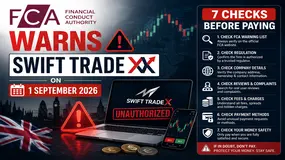
FCA warns Swift TradeX in a notice first published and updated on 1 September 2026. The UK Financial Conduct Authority says the firm may be providing or promoting financial services without permission, is not authorised, and may be targeting people in the UK. The notice names the website swifttradexai.com, a Worcester address and a UK telephone number, but also cautions that unauthorised businesses may use incorrect or borrowed contact details. The confirmed issue is authorisation status—not a court finding about every transaction. Anyone considering a payment should stop, verify the firm independently, and avoid using contact information supplied by the platform itself.

ThinkMarkets review for India: check the RBI Alert List, overseas entities, regulation, login security, forex rules, costs, withdrawals, and leverage risk.
WikiFXWikiFXWikiFXWikiFXWikiFXWikiFXWikiFXWikiFXWikiFXWikiFX