

Global Broker Regulation Inquiry App
About WikiFX
English
简体中文
繁體中文
English
Pусский
日本語
ภาษาไทย
Tiếng Việt
Bahasa Indonesia
Español
हिन्दी
Filippiiniläinen
Français
Deutsch
Português
Türkçe
한국어
العربية
اردو

FXTRADING Financial Focus (Asia-Pacific 06/01)Middle East Risks Lift Europe Inflation Fears
Abstract:As tensions in the Middle East continue to fluctuate, consumer sentiment across Europe has turned increasingly cautious. Although international oil prices have recently retreated from previous highs,
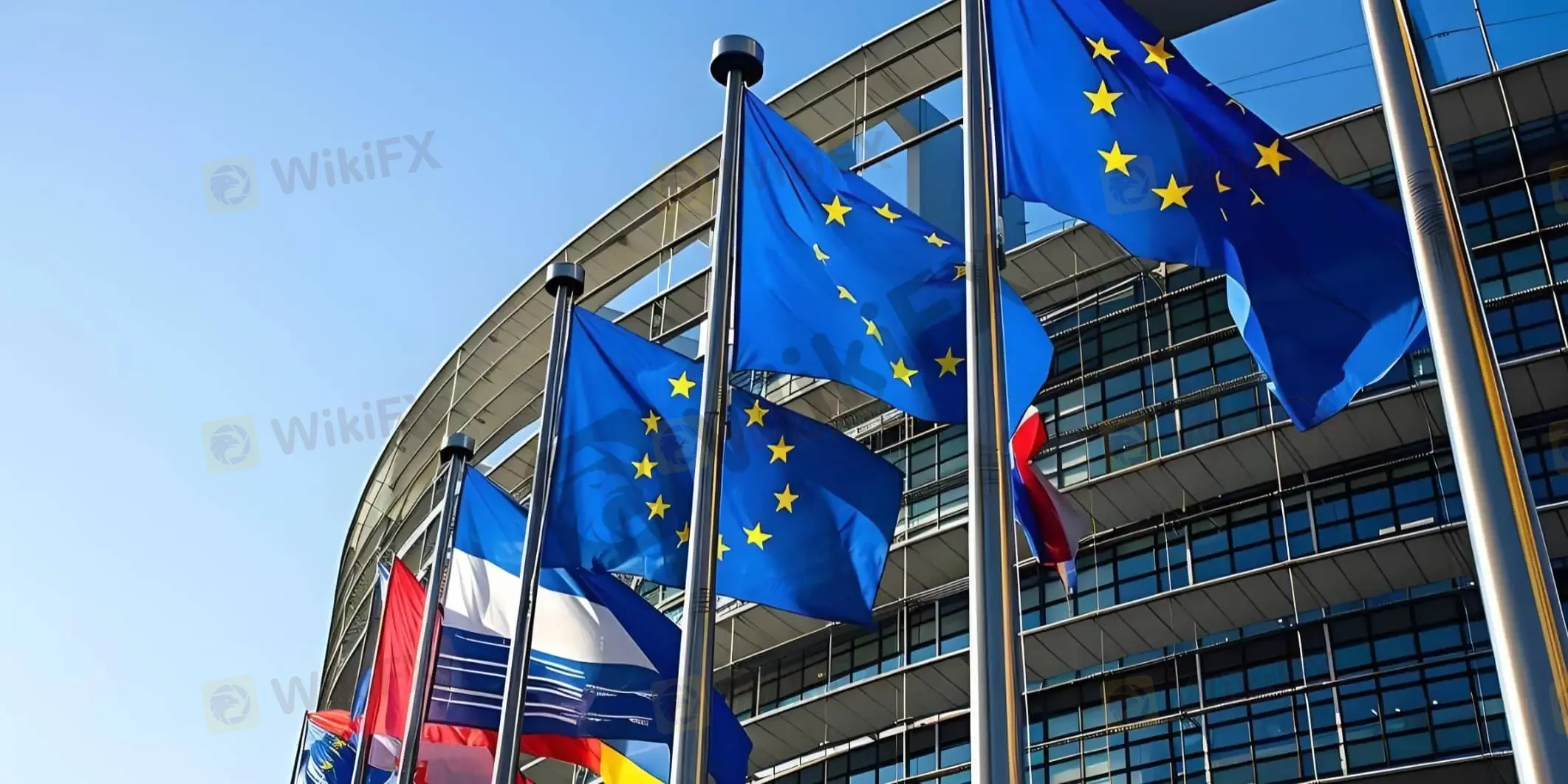
As tensions in the Middle East continue to fluctuate, consumer sentiment across Europe has turned increasingly cautious. Although international oil prices have recently retreated from previous highs, many households remain concerned about future living costs. Research from the European Central Bank shows that after experiencing years of elevated inflation and geopolitical conflict, consumers have become far more sensitive to the economic consequences of war, while market sentiment is now more vulnerable to external shocks than before.
Compared with simply worrying about rising oil prices, European consumers are now more concerned about the possibility of inflation remaining elevated for a prolonged period. The post-pandemic inflation surge, combined with the energy crisis caused by the Russia-Ukraine conflict, has left many households with deep concerns over prices. Even though some goods have started to become cheaper, consumers still widely expect living costs to continue rising, and these expectations are gradually influencing spending behavior.
According to ECB surveys, following the outbreak of the Middle East crisis, consumers across the Eurozone sharply raised their inflation expectations while significantly lowering their outlook for economic growth. More people are beginning to fear that Europe could once again face a combination of slowing growth and persistent inflation. Although current pressures are still below the levels seen during the 2022 energy crisis, market sentiment is clearly reacting much faster this time.
These concerns are already starting to directly affect retail spending. European consumers have become more conservative with their spending habits, especially as higher food, fuel, and transportation costs continue to weigh on daily life. Many households are cutting back on non-essential purchases and paying closer attention to price changes, resulting in noticeably weaker consumer willingness to spend.
For the retail sector, the biggest challenge is no longer just slowing demand, but also changing consumer behavior. In the past, companies could still pass higher costs onto customers through price increases, but consumers are now far less willing to accept rising prices. More retailers are strengthening inventory management, supply chain efficiency, and digital operations in an effort to reduce cost pressures as much as possible.
At the same time, concerns over inflation risks are once again intensifying within the European Central Bank. Although overall economic growth in Europe remains weak, energy and geopolitical risks continue to create considerable uncertainty, leading markets to raise expectations for further rate hikes. Europes biggest challenge now lies in balancing inflation risks against slowing economic growth.
If tensions in the Middle East remain elevated, Europe‘s increasingly cautious spending pattern could persist for an even longer period. Once consumer confidence stays weak for too long, business investment and overall demand may also continue to face pressure. From FXTRADING’s perspective, the real issue Europe now faces is no longer just short-term energy shocks, but the long-term damage to consumer confidence and the chain reaction it may trigger across economic activity, corporate operations, and overall demand. Psychological pressure of this kind often lasts much longer than a temporary rise in oil prices.

Disclaimer:
The views in this article only represent the author's personal views, and do not constitute investment advice on this platform. This platform does not guarantee the accuracy, completeness and timeliness of the information in the article, and will not be liable for any loss caused by the use of or reliance on the information in the article.
WikiFX Broker
Latest News
Trading.com Secures MiCA Licence in Cyprus as Crypto Access Becomes Part of Its EU Strategy
 WikiFX
BONUS Review 2025: Is This Forex Broker Safe?
WikiFXThe Hidden Risks of Margin Calls and How to Trade Trends Safely
WikiFXLONG ASIA Review 2026: Withdrawal Complaints and Unverified Regulation
WikiFXT4Trade Review 2026: Official Warnings and Withdrawal Risks
WikiFXPay a 17% Tax First, Then You Can Withdraw" — How Nixse Allegedly Held One Trader's €25,000 Hostage
WikiFXTotalFX Dangles 1:1000 Leverage and a $0 Minimum Deposit - But Is Its Regulation Strong?
WikiFXTD MARKETS Review 2026: Is This Forex Broker Safe?
WikiFXManual vs. Mechanical Trading: Turning Market Feel Into Automated Rules on MT5
WikiFXUITFX Review 2026: Unregulated Status and Withdrawal Warnings
WikiFXCurrency Calculator
USD

CNY
Current Rate:0
Enter amount
USD
Redeemable Amount
CNY
Calculate 