Abstract:Exness review for Indian traders in 2026. This guide explains what the RBI Alert List says, what it does not say, why a global license is not Indian authorization, and how to verify permitted forex routes before funding an account.
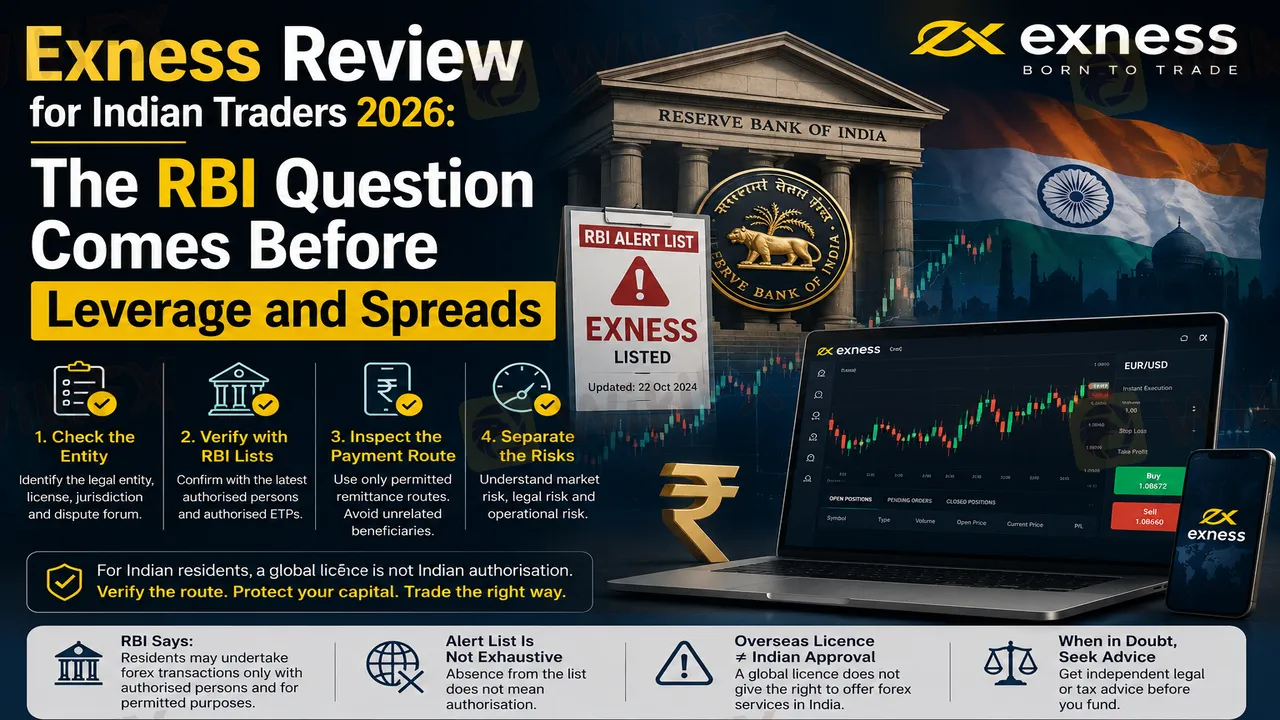
A popular global brand can make leverage, spreads and copy trading feel like the main decision. For an Indian resident, they are not the first decision. The first question is whether the proposed route is permitted locally. That distinction is the difference between a product comparison and a genuine Exness review for India.
 Contents
Why This Review Starts with Regulation
RBI's forex FAQ says resident persons may undertake forex transactions only with authorised persons and for permitted purposes. Electronic transactions should be on RBI-authorised electronic trading platforms or recognised exchanges, subject to the applicable conditions. This is the primary rule that must frame any discussion of an offshore broker, not an afterthought after a comparison of account types.
The RBI Alert List version shown as updated on 22 October 2024 includes Exness. Read the RBI Alert List itself. RBI describes the list as entities that are neither authorised to deal in forex under FEMA nor authorised to operate an ETP for forex transactions under the RBI ETP Directions. The wording matters: it is an India-authorisation statement. It is not a court finding that a brand is fraudulent worldwide, and it is not a complete list of every unauthorised entity.
Searches for forex trading India and online forex trading platforms often begin with spreads or leverage. For a resident, the more useful first filter is whether the proposed transaction route is permitted before product features are compared.
Key Takeaway: For an Indian resident, a global broker's brand recognition or overseas licence does not establish an authorised local forex route. A name not appearing on the Alert List would not establish authorisation either, because RBI says the list is not exhaustive.
What is confirmed, and What Should Not be Overstated
The distinction between entity and brand is central. A current Exness (SC) document identifies Exness (SC) Ltd and a Seychelles FSA licence. That can be relevant to the terms offered by that entity. It does not turn into RBI authorisation merely because a client sees the same brand on an app or website. Readers should identify the exact contracting entity in the client agreement before sharing documents or sending money.
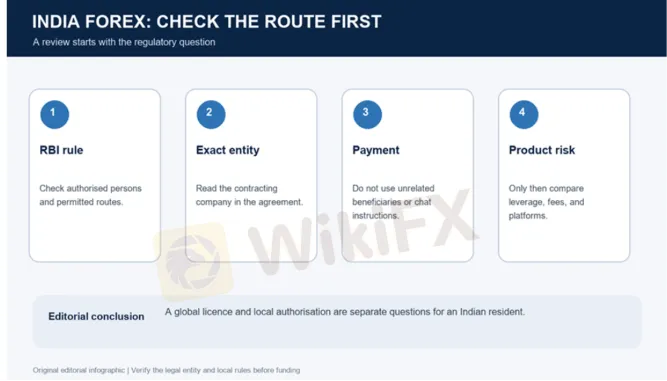
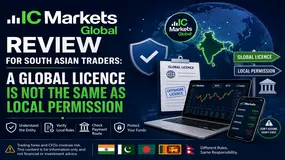
Figure 1. For Indian residents, the regulatory route should be checked before platform features, leverage, or marketing claims.
The Four Checks Before Funding Any Account
First, identify the legal entity, not only the app name. Read the client agreement and record the company, jurisdiction, licence, and dispute forum. Second, compare that entity against the current RBI lists of authorised persons and authorised ETPs, not only against search results or reviews.
Third, inspect the payment route. RBI's FAQ says remittances under the Liberalised Remittance Scheme are not permitted for margins or margin calls to overseas exchanges or overseas counterparties. A request to pay an unrelated beneficiary, an individual, or a crypto wallet is an extra warning sign, not a shortcut.
Fourth, separate market risk from legal and operational risk. Tight spreads cannot cure an unauthorised route. A fast-looking app cannot cure an unclear beneficiary. A successful small withdrawal cannot prove that an entire structure is suitable for a resident in India.
Do not confuse absence with approval: RBI explicitly says the Alert List is not exhaustive. The appropriate positive check is the current authorised-person and authorised-ETP information, together with the exact product and client entity. Verify it again immediately before publication or funding.
What a Useful Exness Review Should Assess After the Legal Route
Only after the eligibility question is clear should a reader compare platforms, account types, execution model, spreads, commissions, swap rules, leverage, margin close-out, and support. These conditions vary by entity, residence, product and account. A headline claim about 'zero spread' is incomplete without the commission, normal-market assumptions, and conditions during volatile periods.
The same rule applies to copy trading and social trading. A screenshot of high returns does not disclose drawdown, risk concentration, fee structure, or whether the service is available to the reader under local rules. No broker review should treat a marketing leaderboard as an investment record.
A Safer Local Verification Route
India has recognised exchanges with currency-derivatives segments and a public register of brokers. SEBI's current currency-derivatives broker register is a practical starting point for readers who want to verify locally registered participants. It is not a recommendation of a particular broker, but it is a more reliable first check than relying on a promotional landing page.
Illustrative scenario - not legal advice: A trader sees a low-leverage account promoted in a chat group and is told to fund it through a personal bank account. Even if the brand is familiar, the trader should stop. The correct next step is to verify the entity and permitted route through official sources, not to test the system with a small transfer.
Common Misconceptions
Misconception check: 'An overseas licence means I can use the platform from India.' Not necessarily. 'The Alert List proves fraud.' That overstates RBI's wording. 'A platform is absent from the list, so it is approved.' RBI says that is also wrong. The right standard is a current, positive verification of the entity and route.
That nuance may feel less dramatic than an exposure headline, but it is more useful. It gives a reader an actionable test and does not turn an unverified online post into a finding of fact. It also protects the article from confusing a global brand with every legal entity that may operate under it.
Bottom Line
The most responsible Exness review for Indian traders begins with RBI's framework, then asks for the exact contracting entity and payment route. Leverage and spreads are secondary until that check is passed. Before funding, verify the most recent official lists and obtain independent legal or tax advice when needed.
Editorial Note: This article is for information and education. It is not broker, investment, legal, tax, or trading advice. Recheck the applicable terms and authorisation status on the publication date.
Download the WikiFX app for the latest forex updates

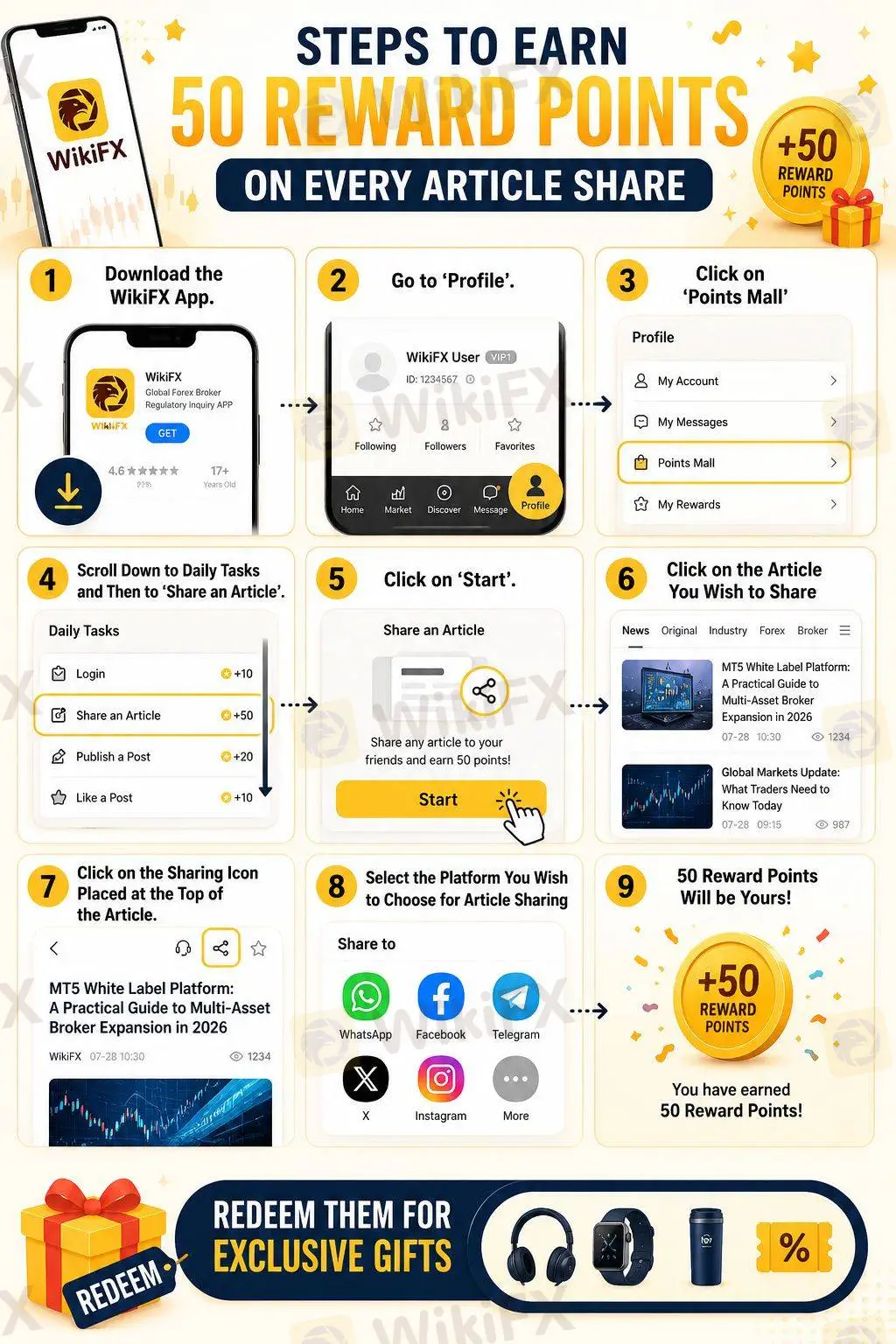
Knowledge pays at WikiFX.Every time you share a WikiFX article, you'll receive 50 Reward Points. Grow your rewards with every share and unlock exclusive gifts in the WikiFX Points Mall. Start earning today!
Interesting Articles for You
How to Start a Forex Broker in 2026: Build the Operating Model Before You Buy the Platform
A forex brokerage launch can look like the fastest route to a modern branded trading environment, but a fast launch is not the same as a controlled launch. This 2026 broker guide explains what the broker platform is, where a technology provider broker solution can sit in a wider operating stack, and how to evaluate the difference between a white label, a server license, and a connected CRM or Client Office setup. It also unpacks broker startup costs beyond the monthly headline, including implementation, integration, support, data, governance, migration, and exit assumptions. Use the practical questions, workflow tests, comparison table, and launch checklist to assess a technology provider without mistaking a feature demo for evidence that your brokerage can run the service safely at scale.
News
2026-08-10
Further Reading
Review 2026: Users Report Disturbing Withdrawal Issues - Is the Broker Still Reliable?
Review 2026: Why Some Users Report Withdrawal Problems - and What the Evidence Shows