

Applicazione di richiesta di informazioni sulla regolamentazione dei broker globali
WikiFX
English
简体中文
繁體中文
English
Pусский
日本語
ภาษาไทย
Tiếng Việt
Bahasa Indonesia
Español
हिन्दी
Filippiiniläinen
Français
Deutsch
Português
Türkçe
한국어
العربية
FXTRADING Economic Data Summary (Asia-Pacific | 03/04)
Sommario:RBA Keeps Rate Hike Option on the TableAgainst a backdrop of rising uncertainty in energy markets, Reserve Bank of Australia Governor Reserve Bank of Australia Governor Michele Bullock recently delive

RBA Keeps Rate Hike Option on the Table
Against a backdrop of rising uncertainty in energy markets, Reserve Bank of Australia Governor Reserve Bank of Australia Governor Michele Bullock recently delivered remarks that leaned clearly cautious and slightly hawkish. She stressed in public comments that markets should not simply assume the March meeting will result in a hold. The upcoming decision is not a routine formality, and the policy path will depend on incoming data and shifts in the external environment. She also rejected the notion that rate adjustments are confined to fixed decision windows, implying that the pace of action can be more flexible if conditions warrant.
From a fundamental perspective, inflation remains elevated at 3.8%, while unemployment stands at 4.1%, indicating that the labor market is still relatively tight. More importantly, escalating tensions in the Middle East pose potential upside risks to oil prices. If energy costs continue to rise, supply-side shocks could once again lift inflation and reshape public expectations about future price trends.. FXTRADING analysis suggests that as long as oil-related risks do not clearly subside, the RBA is unlikely to rule out another rate hike in the near term, meaning market expectations for policy easing may need to be recalibrated.

Eurozone Inflation Shows Renewed Momentum
Price developments in the Eurozone showed signs of reacceleration in February. Headline CPI rose 1.9% year-on-year, exceeding both the previous reading and market expectations. Core inflation also edged higher to 2.4%, indicating that underlying price pressures have not fully dissipated. Although energy prices remained in negative territory, the pace of decline narrowed, suggesting that the previous drag on overall inflation is gradually fading.
Looking at the components, services continue to serve as the primary driver of inflation. Service prices rose 3.4% year-on-year, reflecting the ongoing impact of wage growth and domestic demand on costs. Food and alcohol prices remained relatively stable, while industrial goods prices showed signs of recovery. This structure highlights that the disinflation process is not linear, as internal demand still demonstrates resilience. FXTRADING analysis believes that if services inflation fails to cool meaningfully, the European Central Bank may adopt a more cautious tone in its policy communication, and market bets on rapid easing could face adjustment.
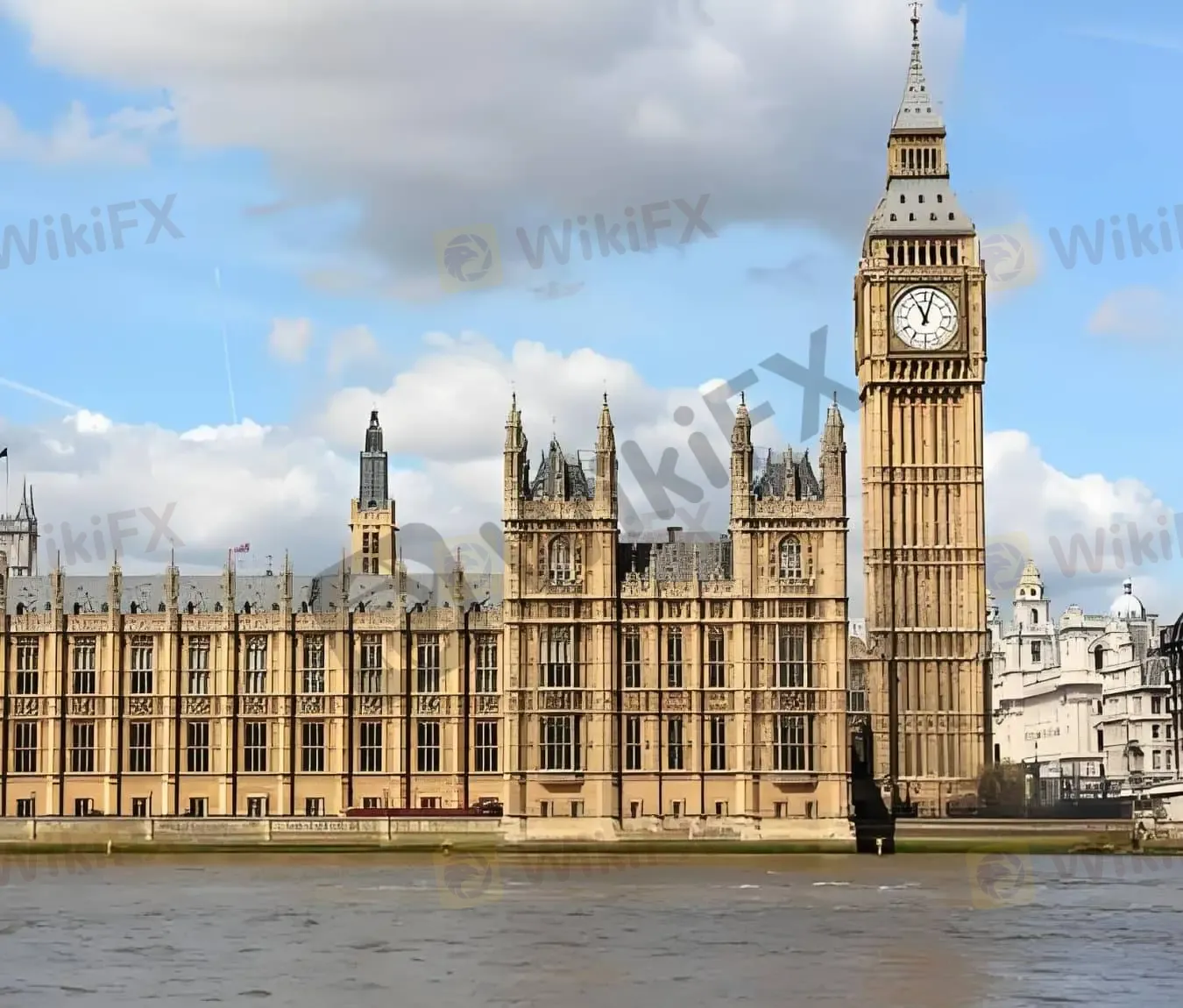
Improved External Demand Supports Steady UK Manufacturing Expansion
The UK Manufacturing PMI was finalized at 51.7 in February. Although slightly lower than the previous month, it remains firmly in expansion territory. Since the start of the year, production performance has been encouraging, with output growth reaching its strongest pace in nearly a year and a half. New orders have also improved, suggesting that business activity is gradually recovering and that the sector has made a relatively solid start to the year.
Exports have played a particularly important role. Stronger demand from North America, Asia, the EU, and the Middle East has provided additional momentum for UK manufacturers. Business confidence remains elevated, with most firms planning to expand output over the coming year. While employment levels continue to decline, the pace of job cuts has moderated, indicating that the sector is seeking a new equilibrium. FXTRADING analysis suggests that supported by improving external demand, UK manufacturing has the foundation to sustain expansion in the near term, though whether this momentum can translate into broader economic strength remains to be seen.

Tokyo Inflation Eases but Core Pressures Persist
Tokyos core CPI rose 1.8% year-on-year in February, marking the third consecutive monthly slowdown and falling below the target of the Bank of Japan. On the surface, inflation appears to be cooling, but this development has been heavily influenced by government utility subsidies. A sharp year-on-year decline in energy prices was the main factor weighing on overall inflation.
However, excluding energy, price trends appear more resilient. Core inflation rose 2.5% year-on-year, reflecting continued support from wage growth and domestic demand. Headline CPI also edged higher, suggesting that the overall inflation structure has not broadly weakened. For the Bank of Japan, the key issue is not short-term fluctuations but whether the underlying trend has truly shifted. FXTRADING analysis believes that the recent moderation in Tokyo inflation is largely the result of policy-driven adjustments, and the BOJ will continue to focus primarily on sustained price pressures excluding energy when assessing its monetary policy stance.
(For more insights into global macroeconomic trends and market developments, please follow FXTRADINGs official updates. This information is provided for reference only and does not constitute any form of investment advice.)
Disclaimer:
Le opinioni di questo articolo rappresentano solo le opinioni personali dell’autore e non costituiscono consulenza in materia di investimenti per questa piattaforma. La piattaforma non garantisce l’accuratezza, la completezza e la tempestività delle informazioni relative all’articolo, né è responsabile delle perdite causate dall’uso o dall’affidamento delle informazioni relative all’articolo.
WikiFX Trader
Vantage
Sotto supervisione
FOREX.com
Supervisione del paese
Exness
Sotto supervisione
GTCFX
Sotto supervisione
D prime
Supervisione del paese
AVATRADE
Sotto supervisione
Vantage
Sotto supervisione
FOREX.com
Supervisione del paese
Exness
Sotto supervisione
GTCFX
Sotto supervisione
D prime
Supervisione del paese
AVATRADE
Sotto supervisione
WikiFX Trader
Vantage
Sotto supervisione
FOREX.com
Supervisione del paese
Exness
Sotto supervisione
GTCFX
Sotto supervisione
D prime
Supervisione del paese
AVATRADE
Sotto supervisione
Vantage
Sotto supervisione
FOREX.com
Supervisione del paese
Exness
Sotto supervisione
GTCFX
Sotto supervisione
D prime
Supervisione del paese
AVATRADE
Sotto supervisione
Rate Calc
USD

CNY
Tasso di cambio attuale:0
inserisci l'importo
USD
A disposizione
CNY
Calcolare 