

Broker Globale Piattaforma di Verifica Regolamentare
WikiFX
Italiano
简体中文
繁體中文
English
Pусский
日本語
ภาษาไทย
Tiếng Việt
Bahasa Indonesia
Español
हिन्दी
Filippiiniläinen
Français
Deutsch
Português
Türkçe
한국어
العربية
اردو


FXTRADING Economic Data Summary (Asia-Pacific | 07/17)


Sommario:UK Services Sector Continues to Support Overall Economic PerformanceThe UK economy returned to modest growth in May, with GDP rising 0.1% month-on-month, reversing Aprils 0.1% contraction and slightly

UK Services Sector Continues to Support Overall Economic Performance
The UK economy returned to modest growth in May, with GDP rising 0.1% month-on-month, reversing Aprils 0.1% contraction and slightly outperforming market expectations for no growth. However, the recovery remained limited, with economic expansion driven primarily by the services sector, while manufacturing and construction continued to struggle, highlighting the fragile nature of the broader recovery.
Data showed that services output increased 0.3% month-on-month in May, with 7 of the 14 subsectors recording growth, reinforcing the sectors role as the main pillar of the UK economy. Meanwhile, industrial production fell 0.5%, led by a 4.6% decline in mining and quarrying, while utilities also remained weak and manufacturing edged up just 0.1%. FXTRADING believes that although the UK economy has resumed growth, momentum remains heavily concentrated in the services sector. Continued weakness in manufacturing and construction suggests the recovery still lacks broad-based support. With interest rates remaining elevated, the UK economy is likely to continue expanding at a modest pace in the near term.

Swiss National Bank Remains Alert to Energy Risks
The Swiss National Bank's June meeting minutes showed that although policymakers have become somewhat more concerned about inflation risks, they still concluded that there is no need to adjust monetary policy at this stage, leaving the policy rate unchanged at 0%. The Governing Board acknowledged that higher energy prices and geopolitical tensions have created additional uncertainty, but believes current financial conditions remain supportive of price stability.
The minutes noted that prolonged disruption to shipping through the Strait of Hormuz could weigh on economic growth while pushing inflation higher. However, compared with March, medium-term inflation expectations have changed little, with inflation expected to remain below 2% rather than surge or fall back into negative territory. FXTRADING believes the SNB is likely to remain in a wait-and-see mode, monitoring developments in growth and inflation before making any policy adjustments. Energy prices and exchange rate movements will remain key factors influencing future policy decisions.

US PPI Unexpectedly Declines
US producer prices came in below market expectations again in June. Data showed the Producer Price Index (PPI) fell 0.3% month-on-month, significantly weaker than the expected 0.2% increase, while the annual rate slowed to 5.5% from a revised 6.0%. Following the recent cooling in consumer inflation, softer producer prices further reinforced market expectations that inflationary pressures are easing.
Breaking down the report, prices for final demand goods declined 1.4% month-on-month, marking the largest monthly drop since July 2022. Energy prices fell 6.4%, gasoline prices plunged 12.0%, and food prices declined 0.6%. However, core goods prices still rose 0.2%, while final demand services prices also increased 0.2%. The Federal Reserves preferred core measure, excluding food, energy, and trade services, rose just 0.1% month-on-month, with the annual rate holding steady at 5.1%, suggesting underlying inflation pressures continue to stabilize. FXTRADING believes the continued easing in producer prices has further reduced concerns over a renewed inflation rebound and gives the Federal Reserve greater flexibility to observe incoming economic data before making policy decisions. Nevertheless, service-sector inflation remains relatively resilient, meaning future inflation trends will still depend heavily on developments in energy prices.
Eurozone Imports Grow Much Faster Than Exports
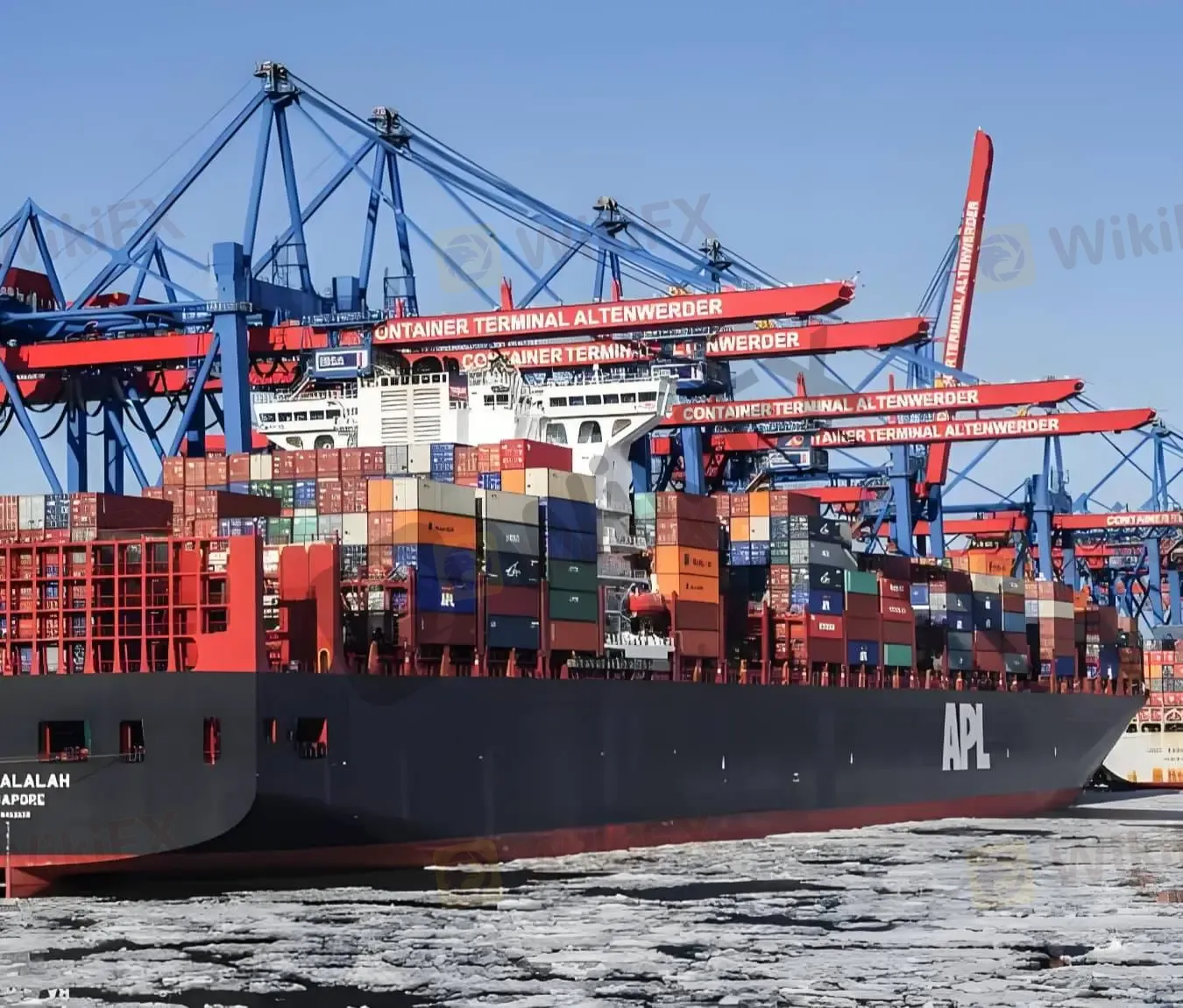
Eurozone trade data showed that the region recorded a goods trade deficit of €7.8 billion in May, compared with a surplus of €15.0 billion in the same period last year. Exports rose just 0.1% year-on-year to €243.6 billion, while imports surged 10.0% to €251.4 billion, placing significant pressure on the trade balance.
The broader European Union experienced a similar trend, posting a trade deficit of €12.1 billion in May compared with a surplus of €12.7 billion a year earlier. Exports declined 1.1% year-on-year to €215.7 billion, while imports increased 10.8% to €227.8 billion. By trading partner, exports to the United States fell 12.3%, with the trade surplus with the US narrowing from €18.4 billion to €7.9 billion. FXTRADING believes that imports continuing to outpace exports reflects the persistent pressure facing the Eurozone‘s external trade environment. If global demand remains subdued and import costs stay elevated, a meaningful improvement in the region’s trade performance is unlikely in the short term.
Disclaimer:
Le opinioni di questo articolo rappresentano solo le opinioni personali dell’autore e non costituiscono consulenza in materia di investimenti per questa piattaforma. La piattaforma non garantisce l’accuratezza, la completezza e la tempestività delle informazioni relative all’articolo, né è responsabile delle perdite causate dall’uso o dall’affidamento delle informazioni relative all’articolo.
