Abstract:Spectre.ai’s platform has all the functionalities of traditional trading platforms, like the ability to trade various assets including currency pairs, commodities, and cryptos, but also boasts some other features that you wouldn’t find on traditional platforms, which makes a platform like this exceptionally unique.
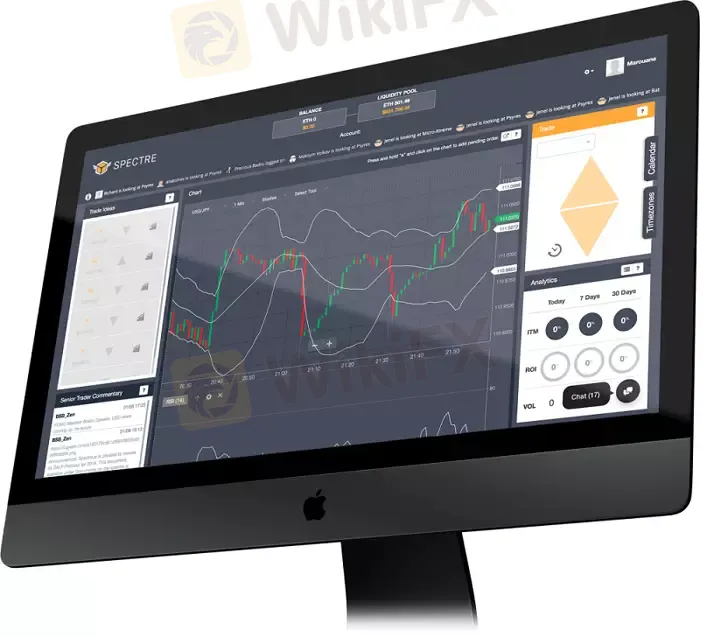
Spectre.ai is unique in that it is the world‘s first trading platform that has been built on Ethereum’s blockchain utilizing smart contract technology, and this makes Spectre a broker-less and fraud-free trading platform, but with all the benefits of a typical broker platform.
Acronym for Speculative Tokenized Trading Exchange, the platform has all the functionalities of traditional trading platforms, like the ability to trade various assets including currency pairs, commodities, and cryptos (Bitcoin, Ethereum, Ripple and other altcoins), but also boasts some other features that you wouldnt find on traditional platforms, which makes a platform like this exceptionally unique.

Users trade directly against a decentralized pool of liquidity. This institutes an innovative leap forward via the DALP – the Decentralised Autonomous Liquidity Pool – and allows users to trade without requiring specific P2P matches. As such, users are trading against a decentralized balance sheet that is available 24/7 to be traded against on demand.
Unlike traditional forex, CFD, options and speculative trading platforms, SPECTRE.AI offers a much safer trading environment. It is the first platform to allow retail traders to trade Smart Options, a new trading contract-class with a verified outcome resulting in average payouts of 75%. Users can take speculative trades on 50+ assets and see outcomes from just 10 seconds to end of the day. There are low deposit and trade size requirements (from just $1), exclusive built-in risk management features, free demo accounts and, of course, a proprietary and revolutionary platform. The platform also issues multiple trade ideas within the Spectre.ai interface, in the form of various chart setups on a range of timeframes. Click here to watch a step-by-step tutorial showing you how you can take advantage of the trade ideas and not miss out on any opportunities!
On Spectres decentralized platform, traders are given the option to either deposit money in the form of ETH into a Regular Account (which can now also be done via. their partner, Uphold, using credit/debit card or bank wire) and are then given funds to trade with. Or, with a Wallet Account, traders can trade directly from their wallets. The DALP, or liquidity pool, is its balance sheet that is owned by token holders who receive regular weekly rewards based on the traded volume. In fact, this is the only company today (blockchain or not) that has validated a weekly rewards model, worldwide.
Speaking of volume, Spectre has no central authority, unlike traditional trading platforms where they benefit from money being kept in a financial institution that is earning them interest. Spectre only makes money through volume, so in essence, this makes losses irrelevant to them. Where most platforms gain when traders lose, Spectre is focused on having high volumes on its platform because high volumes mean that more fees can be collected. So, there is absolutely no conflict of interest whatsoever.
As stated earlier, all trades that are placed on the Spectre platform are actually happening on the Ethereum blockchain. This makes fraud on both sides impossible because of Ethereums smart contract technology, and also removes any issues that might occur during withdrawals or account problems.
Another way Spectre is looking to build a platform that is built on trust and reassurance is the fact that it gives traders the option to never deposit their money onto the platform itself. But instead trade straight from their own wallets, so they always have control and transparency over what is happening. When traders deposit funds into their account on Spectre, the funds are then placed into a smart contract where they will remain secure and wont be subject to alteration. Procedures like this are the reason why broker-less trading platforms are the way forward because it inherently protects everyone involved.
You can take the platform for a test drive by registering for a free demo here – and see why so many traders are switching to Spectre.