Abstract:With so many different currencies available for purchase, how can you hope to make the right choice? In reality, there is no right or wrong option in the cryptocurrency market, as it all depends on goals and application areas.
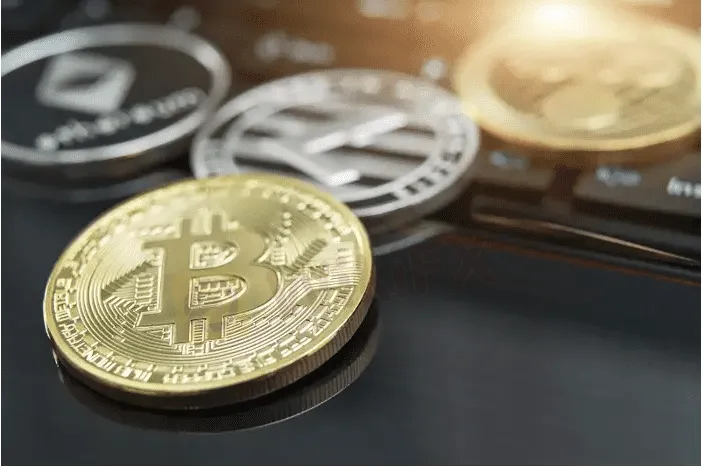
The cryptocurrency industry is packed full of different coins. Seemingly, every day we have a new altcoin bursting onto the scene that could potentially change the crypto landscape. So, knowing how to invest your money can save your nerves and time.
With so many different currencies available for purchase, how can you hope to make the right choice? In reality, there is no right or wrong option in the cryptocurrency market, as it all depends on goals and application areas. Arming yourself with knowledge can allow you to make an informed decision and minimize your investment risk. Lets look at the pros and cons of various options available, which might help you to decide on whether you should buy Bitcoin or opt for altcoins instead.
Why so many investment opportunities?
Before we examine Bitcoin and altcoins, we can look briefly at why there are so many cryptocurrencies on the market. Bitcoin is hugely successful – no one ever thought it would take off in the way it has. Furthermore, the underlying technology, such as blockchain, has proven relatively easy to recreate.
Due to these factors, many budding entrepreneurs and Bitcoin enthusiasts created their own coins. They saw an opportunity to rival Bitcoin or to create their own legacy. As a result, we now have an abundance of altcoins on the market.
Bitcoin as the cryptocurrency poster child
Bitcoin is the original cryptocurrency. Initially created and released in 2009, it introduced blockchain technology and the proof-of-work principle to the world. Since inception, Bitcoin has grown to become the most prominent cryptocurrency. There are over 17 million coins in circulation valued at over $113 billion. This figure vastly outnumbers any other altcoin – the second largest cryptocurrency after Bitcoin is Ethereum and its market cap totals only $21 billion.
Bitcoins are mined, and this mining process is an integral part of the coins existence. Miners find new Bitcoins and bring them into circulation for rewards. Furthermore, they are responsible for validating Bitcoin transactions on the ledger.
Bitcoin Advantages
The main advantage of Bitcoin is its widespread use and acceptance. It is by far the most accepted as an actual form of payment. Many financial institutions are backing Bitcoin, and it is certainly the currency that most people have heard of. Moreover, Bitcoin has a vast community of users who are dedicated to its long-term development. Finally, it also has an immense pool of miners who maintain the network and ensure it is secure.
Bitcoin Disadvantages
Although Bitcoin undoubtedly has a host of advantages, it has its flaws. The price of Bitcoin has taken a large hit since December 2017 when it rose to stratospheric heights of around $20,000. The price still remains positive, but many analysts wonder if it will ever return to those numbers.
Another major drawback that is becoming increasingly evident is the Bitcoin transaction fees. Bitcoin was meant to have ultra-low transactions fees – this was one of its main selling points. Since miners can choose which transactions to process, they will opt for ones with higher fees.
Finally, many people comment on heavy energy consumption that Bitcoin mining requires – they see this a damage to our environment and would prefer to use a more ‘eco-friendly’ alternative.
Altcoins as alternatives with great potential
Bitcoin is seen as the original cryptocurrency, therefore any new currency has deemed an alternative. There are currently thousands of altcoins available to invest in, and more are developed on a regular basis. Some of them prevail and remain in high demand, for example, Ethereum and XRP; whilst others fizzle out. The following are some of the altcoins and their market cap (as of October 18, 2018):
As you can see, there are many altcoins available, and each offers something slightly different.
Altcoin Advantages
One of the main advantages of altcoins is that by their nature they serve as an alternative to Bitcoin. If the almighty Bitcoin crumbles, there are altcoins to fall back on. Furthermore, many altcoins actually have a unique function. For instance, Po.et (POE) is built around a platform where publishers and content creators can easily manage their licensing.
Finally, many altcoins offer different systems and processes to Bitcoin and have a greater scope to evolve in the future. XRP and Ethereum, for example, are two different altcoins that have been widely adopted and used in many industries.
Altcoin Disadvantages
The main disadvantage of altcoins is their relative lack of exposure and acceptance. While Ethereum, XRP, and Bitcoin Cash have great support, others just don‘t have the same scope. Moreover, there is a limited number of outlets and ways in which you can use many altcoins as they simply haven’t been adopted to the same degree that Bitcoin has.
Conclusion
Just because Bitcoin is the largest currency in supply and has the best support, it doesnt necessarily mean that altcoins are worthless. You could consider diversifying your investment portfolio and purchasing some Bitcoin and some of the major altcoins. The main consideration is to minimize your risk and make an informed purchase.