Vietnam Becomes New Base for Cross Border Scam Syndicates After Cambodia Crackdown
Cross border scam syndicates are constantly adapting to evade law enforcement by moving from Cambodia to Vietnam.
Original

简体中文
繁體中文
English
Pусский
日本語
ภาษาไทย
Tiếng Việt
Bahasa Indonesia
Español
हिन्दी
Filippiiniläinen
Français
Deutsch
Português
Türkçe
한국어
العربية
اردو

Abstract:When a broker or its agent asks you to transfer money into an unusual or unrelated account, treat it as a serious warning. This practice is one of the most common signs of a scam in online trading, and ignoring it can cost you your savings!
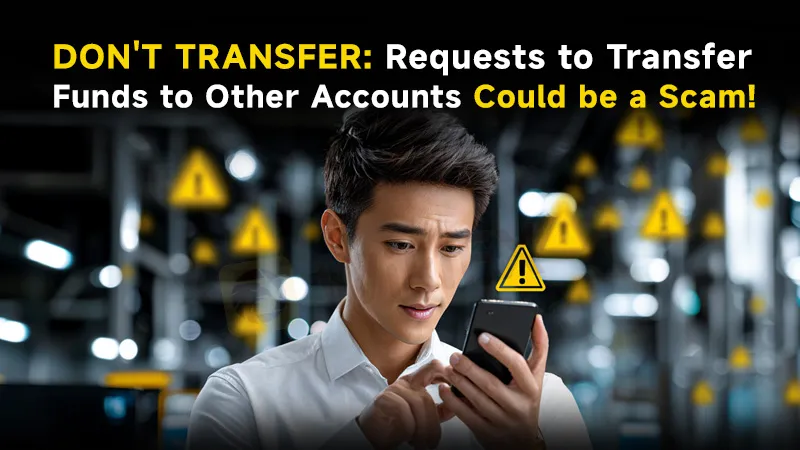
In the fast-evolving world of online trading, brokers act as the gateway for retail and institutional investors to access global financial markets. While many brokers operate under strict regulatory frameworks and uphold ethical standards, there remains a concerning number of fraudulent entities that exploit unsuspecting traders. One of the most common warning signs of a potential scam is when an introductory broker, broker representative, or even the broker itself requests clients to transfer money to alternative or unrelated accounts. If you overlook this “hint”, it could turn into a costly mistake of a lifetime!
A legitimate and regulated broker operates with clear financial procedures. Clients‘ funds are typically deposited into segregated bank accounts that are transparent, audited, and protected under the supervision of financial regulators. These accounts are used solely for client trading activities, ensuring that investors’ money remains safe and traceable.
By contrast, when a broker requests clients to transfer money into different accounts, particularly personal accounts, overseas bank details, or third-party payment processors, it raises serious red flags. Such practices are often employed by fraudulent brokers attempting to obscure the trail of funds. Once money is diverted in this manner, it becomes significantly harder for traders to recover their capital if disputes arise.
A genuine broker has no reason to ask clients to deposit money outside of its officially registered corporate account. If you encounter requests to move funds elsewhere, this may indicate:
Simply put, this behaviour is inconsistent with ethical business operations.
Reputable brokers make transparency their cornerstone. Clients are always informed about:
A genuine broker would never jeopardise its reputation and regulatory status by instructing clients to bypass official deposit channels.
If you are ever asked to transfer money into accounts other than those officially listed by your broker, treat it as a serious red flag. Here are immediate steps to take:
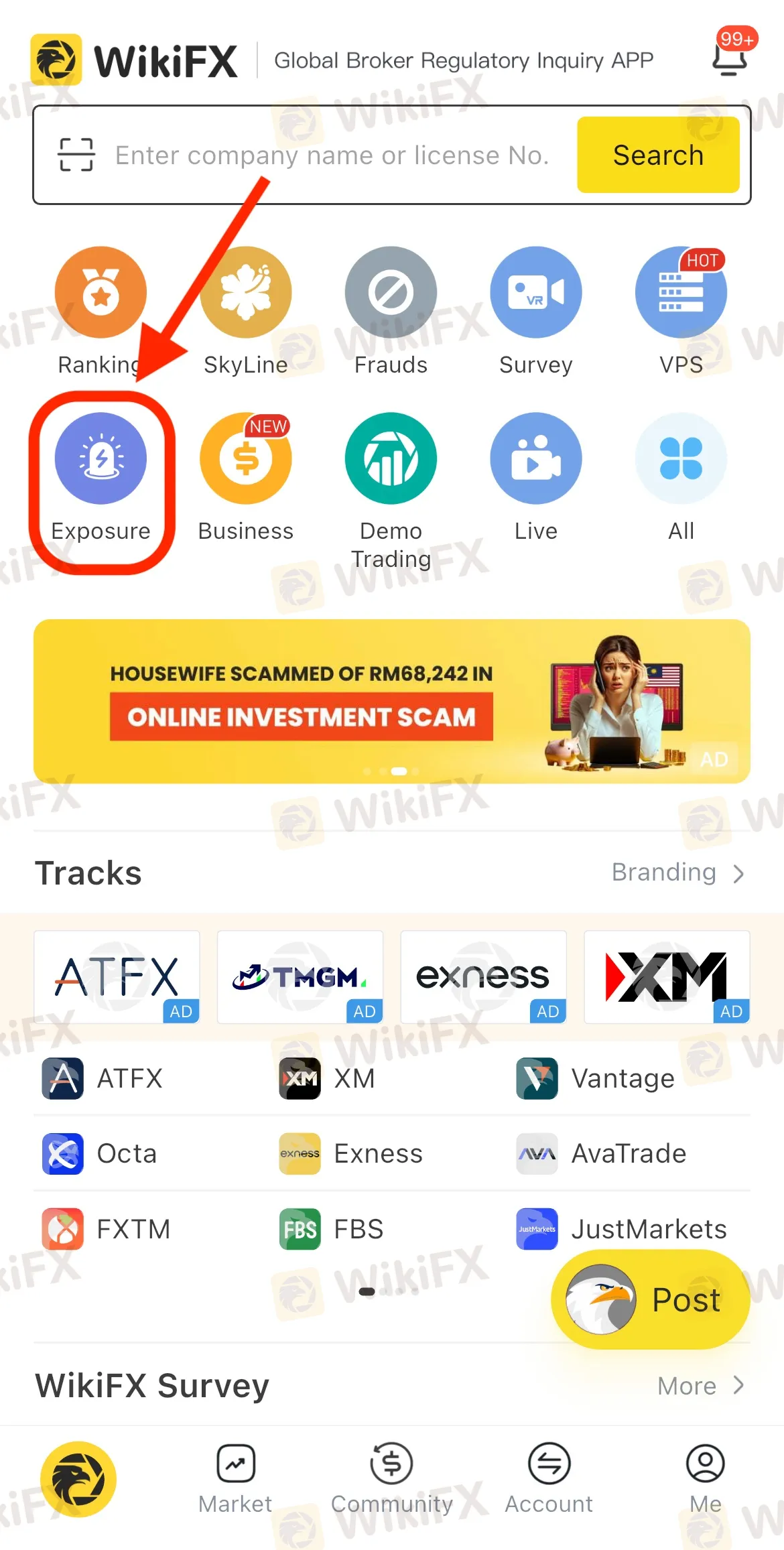
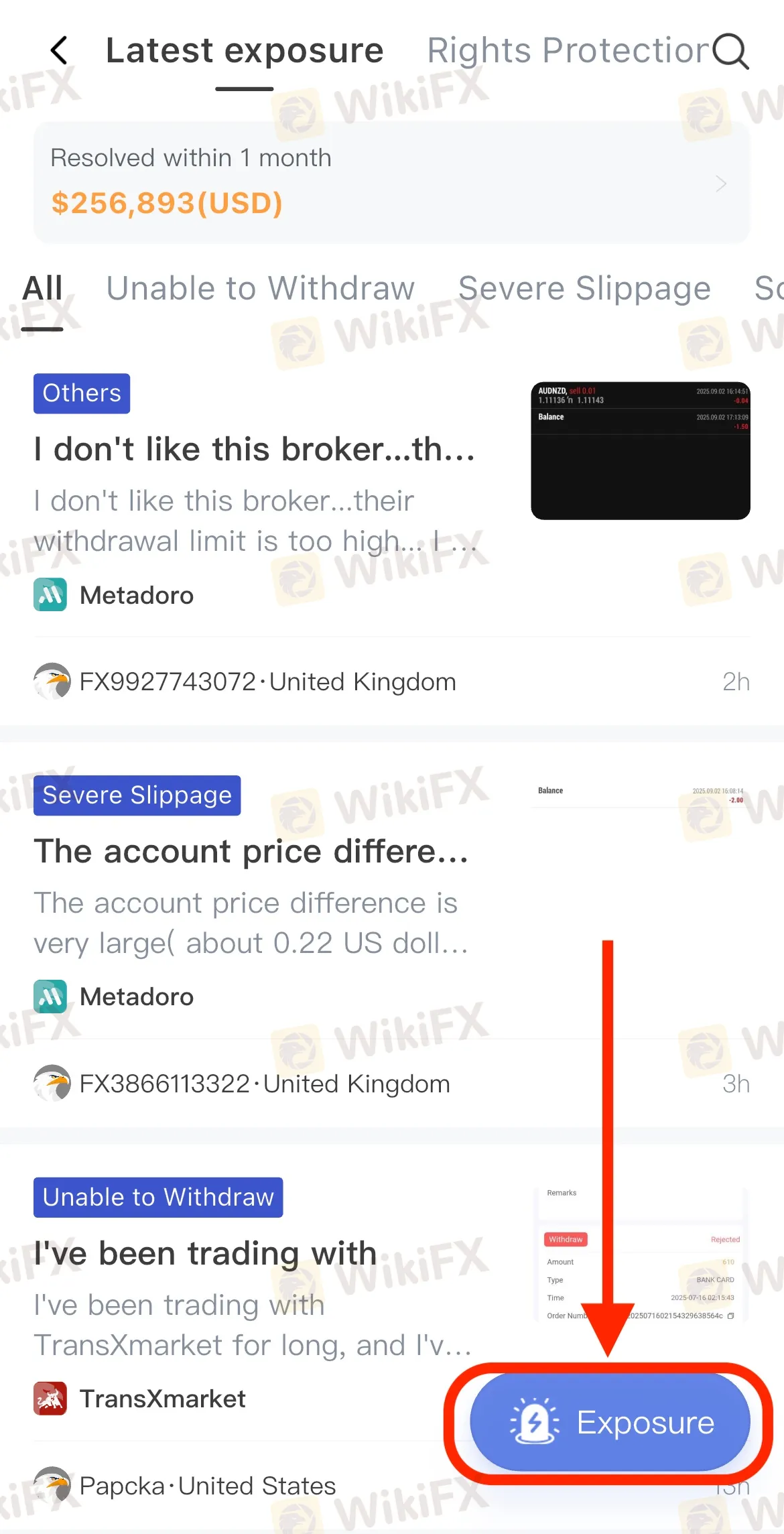
WikiFX provides 100% free, independent investigations into broker disputes. Our mission is to protect traders worldwide by verifying the legitimacy of brokers and exposing unethical practices. While outcomes may vary depending on the complexity of the case, our team will make every possible attempt to resolve disputes and assist traders in safeguarding their interests.
Download our app for free from Google Play or App Store today.

Disclaimer:
The views in this article only represent the author's personal views, and do not constitute investment advice on this platform. This platform does not guarantee the accuracy, completeness and timeliness of the information in the article, and will not be liable for any loss caused by the use of or reliance on the information in the article.
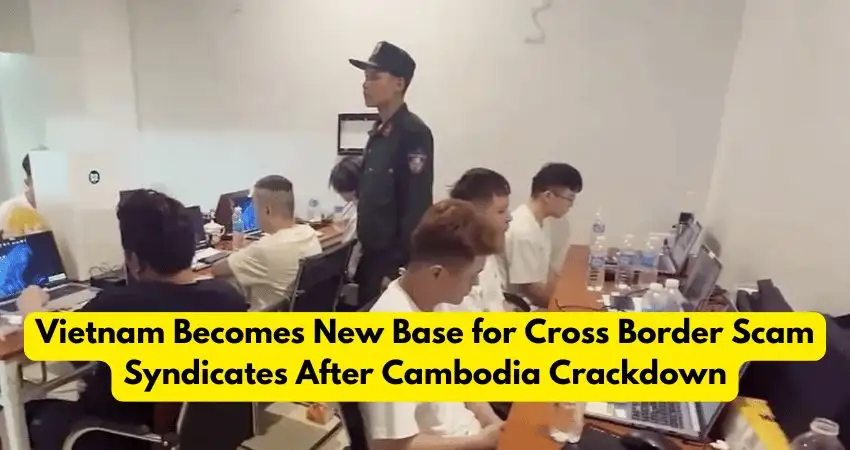
Cross border scam syndicates are constantly adapting to evade law enforcement by moving from Cambodia to Vietnam.
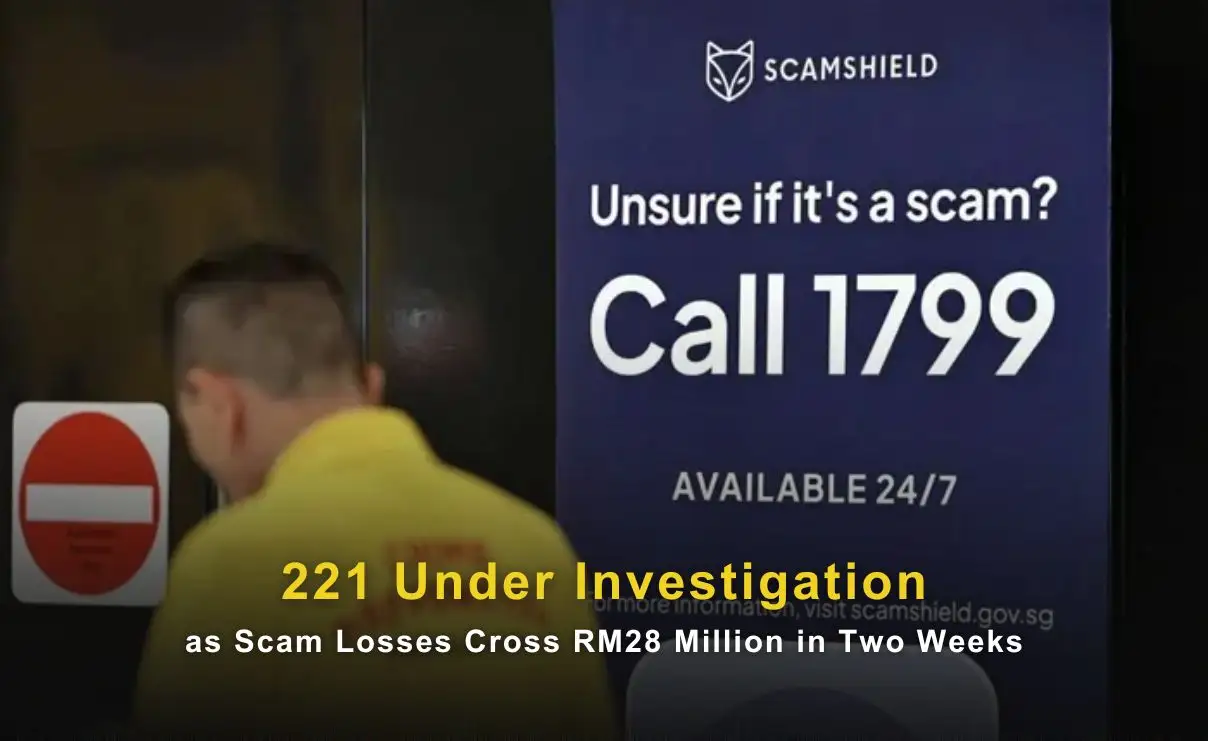
Singapore authorities have concluded a major anti-scam enforcement operation that resulted in 221 individuals being placed under investigation for their alleged roles in a wide range of fraudulent schemes.

Malaysia may be emerging as a new destination for transnational scam syndicates seeking to evade mounting pressure from international law enforcement agencies, according to a leading humanitarian organisation.

He Claimed Elite Connections. She Ended Up Losing Millions and Her Dream Car
 WikiFXWikiFXWikiFXWikiFXWikiFXWikiFXWikiFXWikiFXWikiFXWikiFX