

Global Broker Regulation Inquiry App
About WikiFX
English
简体中文
繁體中文
English
Pусский
日本語
ภาษาไทย
Tiếng Việt
Bahasa Indonesia
Español
हिन्दी
Filippiiniläinen
Français
Deutsch
Português
Türkçe
한국어
العربية
اردو
Oil Surges on Dual Geopolitical Shocks: US Strikes Iran Talks, Seizes Venezuela Assets
Abstract:WTI Crude surges 3% as the US cancels diplomatic talks with Iran and initiates military action in Venezuela, marking a return to aggressive 'Monroe Doctrine' policies.
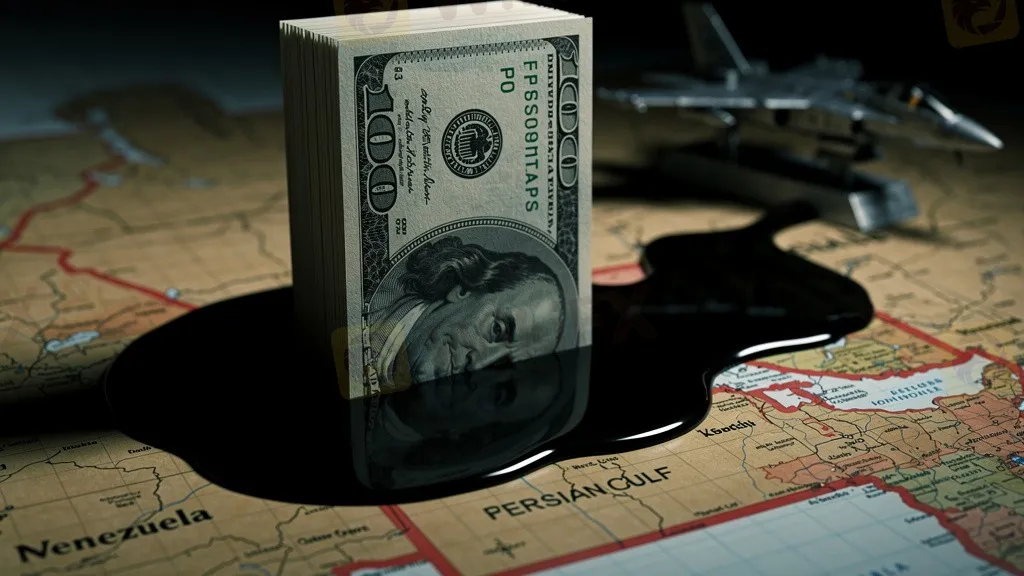
Global energy markets are pricing in a massive risk premium today as the US administration pivots toward an aggressive militaristic stance in both the Middle East and Latin America. WTI Crude Oil spiked +3.0% to $61.10 after President Trump cancelled diplomatic engagements with Iran and hinted at military options, prompting Tehran to declare its armed forces “combat-ready” and threaten US regional bases.
The “New Monroe Doctrine”
Compounding the supply fears is a major escalation in the Western Hemisphere. Under a rebooted national security strategy explicitly referencing the “Monroe Doctrine,” US forces have moved to secure control over Venezuelas oil infrastructure. The administration claims this move is to secure strategic resources, with Energy officials suggesting indefinite US control over Venezuelan exports.
Supply Chain Shockwaves
This coordinated assertion of US hegemony has drawn sharp condemnation from global powers, including Russia and a coalition of Latin American nations. For Forex traders, the immediate reaction is a classic “risk-off” flight:
- CAD: Despite higher oil prices, the geopolitical instability and regional friction may cap the Loonie's gains.
- JPY & CHF: Seeing inflows as safe-haven assets amidst fears of a broader conflict.
- USD: Gaining strength from its role as the primary reserve currency during crises.
Disclaimer:
The views in this article only represent the author's personal views, and do not constitute investment advice on this platform. This platform does not guarantee the accuracy, completeness and timeliness of the information in the article, and will not be liable for any loss caused by the use of or reliance on the information in the article.
WikiFX Broker
Latest News
WikiEXPO Hong Kong 2026 Set to Open, Bringing Together Global Leaders in Fintech and Digital Finance
 WikiFX
Aligning H4, H1, and M15 Charts for Clearer Intraday Forex Trades
WikiFXBuilding a Forex Strategy: What Beginners Get Wrong About Risk and Chart Patterns
WikiFXRisk Management for Beginners: How Margin and Stop-Losses Prevent Account Blowouts
WikiFXIpoh Businessman Loses RM1.25 Million in Crypto Group that Promised High Returns
WikiFXActivTrades Review 2026: Regulation, Complaints, and Withdrawal Risks
WikiFXAIPrime Showcases AI-Driven Trading Innovation at WikiEXPO Hong Kong
WikiFXU.S. Inflation Cools on Paper, But the Fire Still Burns
WikiFXEMAR MARKETS Review : FSCA Regulation, Complaints, and High-Leverage Risks
WikiFXFBS Review: Regulation, Complaints, and Withdrawal Risk Signals
WikiFX